
☰
  • Our Services
  • Corporate Training
  • Resources
  • Blogs
  • Testimonial
  • Careers
  • Contact Us
logo
  •  Services
  •  Corporate Training
  • Services
  • Training
  • About Us
  • Resources
  • Blogs
  • Testimonial
  • Careers
  • Contact Us
Back
  • OVERVIEW
  • SERVICE FEATURES
  • SERVICE MODEL
  • CN VALUE PROPOSITION
  • TESTIMONIALS
  • LANDSCAPE
  • BLOGS
  • FAQ'S
  • RELATED SERVICES
Back
  • Home Codec Networks Logo
  • Services
  • Server & Storage Security Testing
  • OS Hardening Assessments (Linux/Windows Servers)
  • Overview
  • Service Features
  • Service Model
  • CN VALUE PROPOSITION
  • Testimonials
  • Landscape
  • Blogs
  • FAQ's
  • Related Services

OS Hardening Assessments (Linux/Windows Servers)

Codec Networks’ OS Hardening Assessment service is a structured security evaluation focused on ensuring that Linux and Windows server environments are configured in accordance with industry security benchmarks such as CIS, NIST, ISO/IEC 27001, and vendor-specific hardening guidelines. The service identifies insecure system configurations, unnecessary services, default accounts, weak permissions, and outdated patches that could be exploited by attackers to gain unauthorized access or escalate privileges.

This assessment provides an in-depth review of both system- and kernel-level configurations, startup processes, registry settings (for Windows), file permissions, system logging, user rights, and network parameters. It verifies whether the OS has been “hardened” — meaning only essential components are enabled, secure authentication methods are enforced, and the attack surface is minimized without compromising functionality or performance.

By conducting OS Hardening Assessments, Codec Networks helps organizations strengthen their foundational layer of defense, improve compliance posture, and ensure servers are resilient against internal misuse, malware propagation, and external cyberattacks. The outcome includes a detailed compliance scorecard, misconfiguration report, prioritized remediation roadmap, and continuous improvement recommendations to maintain an optimal and secure operating environment.

Industry Significance
OS Hardening Assessments (Linux/Windows Servers) strengthen server security by identifying misconfigurations, weak controls, and exploitable gaps. This service enhances resilience, supports compliance, and protects critical infrastructure against evolving cyber threats, making it essential for modern, security-driven organizations
Read More

Service Relevance
OS Hardening Assessments are technically indispensable to enterprise security engineering. They ensure that each Linux or Windows system operates within a secure, compliant, and tamper-resistant baseline, forming the first and most critical layer of defence in the enterprise cyber resilience architecture
Read More

Benefits to Customers
Codec Networks’ OS Hardening Assessment empowers organizations to transform their IT infrastructure into a secure, compliant, and resilient operating environment—one that not only defends against modern cyber threats but also drives operational excellence and trust in a compliance-driven digital world
Read More

OS Hardening Assessments (Linux/Windows Servers)

Codec Networks’ OS Hardening Assessment service is a structured security evaluation focused on ensuring that Linux and Windows server environments are configured in accordance with industry security benchmarks such as CIS, NIST, ISO/IEC 27001, and vendor-specific hardening guidelines. The service identifies insecure system configurations, unnecessary services, default accounts, weak permissions, and outdated patches that could be exploited by attackers to gain unauthorized access or escalate privileges.

This assessment provides an in-depth review of both system- and kernel-level configurations, startup processes, registry settings (for Windows), file permissions, system logging, user rights, and network parameters. It verifies whether the OS has been “hardened” — meaning only essential components are enabled, secure authentication methods are enforced, and the attack surface is minimized without compromising functionality or performance.

By conducting OS Hardening Assessments, Codec Networks helps organizations strengthen their foundational layer of defense, improve compliance posture, and ensure servers are resilient against internal misuse, malware propagation, and external cyberattacks. The outcome includes a detailed compliance scorecard, misconfiguration report, prioritized remediation roadmap, and continuous improvement recommendations to maintain an optimal and secure operating environment.

Industry Significance
OS Hardening Assessments (Linux/Windows Servers) strengthen server security by identifying misconfigurations, weak controls, and exploitable gaps. This service enhances resilience, supports compliance, and protects critical infrastructure against evolving cyber threats, making it essential for modern, security-driven organizations

Read More
1

Service Relevance
OS Hardening Assessments are technically indispensable to enterprise security engineering. They ensure that each Linux or Windows system operates within a secure, compliant, and tamper-resistant baseline, forming the first and most critical layer of defence in the enterprise cyber resilience architecture

Read More
2

Benefits to Customers
Codec Networks’ OS Hardening Assessment empowers organizations to transform their IT infrastructure into a secure, compliant, and resilient operating environment—one that not only defends against modern cyber threats but also drives operational excellence and trust in a compliance-driven digital world

Read More
3

SERVICE FEATURES AND DELIVERY FRAMEWORK

Codec Networks delivers structured OS hardening assessments for Linux and Windows servers using CIS-aligned methodologies,

measurable security metrics, and enterprise-grade delivery standards.

  • SERVICE FEATURES
  • SERVICE DELIVERY METHODOLOGY
  • Service Standards

OS Hardening Assessments are technically indispensable to enterprise security engineering. They ensure that each Linux or Windows system operates within a secure, compliant, and tamper-resistant baseline, forming the first and most critical layer of defense in the enterprise cyber resilience architecture. Codec Networks offers these services across following segments:

1. Baseline Configuration Review and Benchmark Alignment

Ensures that the operating system is configured according to international best practices and organizational policies.

Key Features:

  • Evaluation of current configurations against CIS, NIST, DISA STIG, and ISO 27001 hardening benchmarks.
  • Verification of kernel, registry, and file permission parameters for security alignment.
  • Identification of configuration drift and non-compliant system settings.
  • Mapping of deviations with risk severity ratings and remediation priorities.
  • Creation of secure configuration baselines (gold images) for future deployments.
  • Platform coverage for Windows Server (2016–2022) and Linux distros (RHEL, Ubuntu, CentOS, Debian, SUSE).

2. Access Control and Privilege Management Review

Analyzes and enforces secure user authentication, authorization, and privilege allocation mechanisms.

Key Features:

  • Review of root, admin, and service accounts for compliance with least-privilege principles.
  • Evaluation of password, lockout, and MFA policies to prevent brute-force or insider misuse.
  • Verification of sudoers and group policy configurations for privilege escalation control.
  • Identification of orphaned or inactive accounts and access anomalies.
  • Recommendations for role-based access control (RBAC) and Active Directory/LDAP integration.

3. Patch and Update Compliance Assessment

Ensures that all system components are current and protected against known vulnerabilities.

Key Features:

  • Verification of security patch levels, update cycles, and dependency management processes.
  • Assessment of automated patch management systems and rollback configurations.
  • Identification of unpatched vulnerabilities (CVE-based mapping) impacting OS stability.
  • Integration validation with enterprise patch management tools (e.g., SCCM, WSUS, Ansible).
  • Risk-based patch prioritization for critical and exploitable vulnerabilities.

4. Service and Process Hardening Review

Focuses on minimizing the system attack surface by identifying unnecessary or insecure services.

Key Features:

  • Enumeration of active system services, daemons, and startup tasks.
  • Deactivation of unused or redundant components (e.g., Telnet, FTP, legacy SMB).
  • Enforcement of secure network parameters (TCP wrappers, firewalld, iptables).
  • Verification of process integrity and sandboxing policies for critical applications.
  • Assessment of resource consumption and process privilege separation.

5. Audit Logging and Security Monitoring Configuration Review

Ensures the system is capable of capturing and retaining security-relevant logs for audit and forensic purposes.

Key Features:

  • Validation of auditd, syslog, and Event Viewer configurations for security logging.
  • Configuration checks for log rotation, retention, and forwarding to SIEM or SOC platforms.
  • Verification of time synchronization (NTP) for forensic traceability.
  • Review of log integrity mechanisms (checksums, immutability) to prevent tampering.
  • Recommendations for integration with centralized monitoring frameworks (e.g., Splunk, ELK, QRadar).

6. Compliance Reporting and Remediation Advisory

Provides actionable insights and structured guidance for achieving compliance and security maturity.

Key Features:

  • Generation of detailed compliance scorecards and configuration risk summaries.
  • Gap analysis mapped to ISO 27001 A.8.x, NIST CSF, PCI DSS, In-country regulators and DPDPA controls.
  • Development of prioritized remediation roadmaps and policy templates.
  • Validation of post-remediation compliance through verification testing.
  • Continuous improvement recommendations for sustained configuration integrity.


Codec Networks follows a structured, standards-aligned, and evidence-based service delivery methodology to ensure that every OS Hardening Assessment (for Linux and Windows servers) is performed with technical accuracy, process transparency, and measurable client value. The methodology integrates international frameworks such as CIS Benchmarks, NIST SP 800-123, ISO/IEC 27001:2022, ISO 27002, and In-country regulators Cybersecurity Framework, ensuring comprehensive coverage from system discovery to compliance verification and continuous improvement.

1. Project Initiation & Scoping Phase

Objective: Define the assessment boundaries, environment details, and deliverable expectations.

Activities:

  • Conduct stakeholder kickoff meetings to understand business context, infrastructure scope, and compliance goals.
  • Identify server types (Linux/Windows), OS versions, hosting models (on-premises, cloud, hybrid), and environment criticality.
  • Finalize the assessment scope — including number of systems, configuration layers, and security benchmarks to apply.
  • Establish roles and responsibilities for Codec Networks’ audit team and client IT administrators.
  • Define assessment timelines, data collection windows, and reporting deliverables.
    Outcome: Approved Statement of Work (SoW), assessment plan, and scope confirmation.

2. System Discovery & Environment Baseline Collection

Objective: Gather configuration and operational data from target systems for baseline analysis.

Activities:

  • Use automated tools and scripts (e.g., Lynis, OpenSCAP, PowerShell DSC, custom Bash/Python scripts) to collect configuration parameters.
  • Inventory all active services, scheduled tasks, network ports, accounts, and installed packages.
  • Document system roles (e.g., web server, DB server, AD controller) and interdependencies.
  • Validate existing patch levels, antivirus configurations, and update cycles.
    Outcome: Secure configuration dataset and baseline inventory for analysis.

3. Benchmark-Based Configuration Review

Objective: Evaluate server configurations against international and organizational security benchmarks.

Activities:

  • Compare each system’s configuration with CIS Level 1/2, NIST SP 800-123, DISA STIG, and organizational hardening guidelines.
  • Analyze kernel parameters, registry settings, access controls, user policies, and network configurations.
  • Identify configuration drift and deviations from security baselines.
  • Perform manual validation for critical controls (e.g., privileged accounts, file permissions, logging, patch status).
    Outcome: OS Hardening Deviation Report highlighting non-compliant settings and risk severity levels.

4. Risk Analysis & Vulnerability Correlation

Objective: Assess the potential risk impact of identified deviations.

Activities:

  • Correlate misconfigurations with known CVEs, security advisories, and threat intelligence feeds.
  • Categorize findings as Critical, High, Medium, or Low based on exploitability and business impact.
  • Evaluate risk propagation potential in multi-tier or clustered environments.
  • Map risks to relevant compliance requirements (e.g., ISO 27001, PCI DSS, HIPAA, In-country regulators and DPDPA).
    Outcome: Risk-mapped assessment matrix and technical vulnerability linkage report.

5. Remediation Advisory & Secure Baseline Development

Objective: Provide actionable recommendations for achieving and sustaining hardened configurations.

Activities:

  • Prepare system-specific remediation plans with exact configuration changes and command-level guidance.
  • Develop secure configuration templates and automation scripts (Ansible, PowerShell DSC, Group Policy baselines).
  • Conduct knowledge transfer sessions with the client’s IT operations or DevOps teams.
  • Recommend integration with configuration management tools for ongoing compliance (Chef, Puppet, SCCM, etc.).
    Outcome: Detailed remediation roadmap, secure baseline templates, and system hardening checklist.

6. Post-Remediation Validation & Compliance Verification

Objective: Confirm that applied changes meet security and compliance objectives.

Activities:

  • Reassess systems post-hardening to verify control implementation and residual risks.
  • Conduct configuration validation tests to ensure operational functionality remains unaffected.
  • Generate compliance scorecards showing improvement metrics from baseline to final state.
  • Validate audit-readiness for internal/external regulatory reviews.
    Outcome: Verified OS Hardening Compliance Report and continuous improvement recommendations.

7. Reporting, Documentation & Knowledge Transfer

Objective: Deliver comprehensive evidence-based reports and ensure client team empowerment.

Activities:

  • Provide executive summary reports, detailed configuration findings, remediation matrix, and compliance alignment mapping.
  • Deliver risk heat maps and graphical dashboards for management visibility.
  • Conduct debrief sessions and training workshops to help client teams maintain secure configurations.
  • Share ongoing monitoring and maintenance best practices for sustainable OS hardening.
    Outcome: Final signed-off deliverables and capacity building for long-term operational security.

8. Continuous Improvement & Optional Managed Compliance

Objective: Maintain configuration integrity and prevent future drift.

Activities:

  • Offer Managed OS Compliance Monitoring services for continuous configuration validation.
  • Integrate with SIEM/SOC systems for live monitoring of system changes.
  • Periodically reassess OS baselines with updated CIS/NIST versions.
  • Provide proactive alerts for deviations and new vulnerabilities affecting hardened systems.
    Outcome: Continuous compliance assurance and sustained operational resilience.


International Standard / Framework

Description & Applicability

Implementation in Service Delivery

CIS Benchmarks (Center for Internet Security)

Provides prescriptive configuration guidelines for securing operating systems, databases, and network devices.

All OS configurations (Linux/Windows) are evaluated against CIS Level 1 and Level 2 benchmarks to ensure secure-by-default system states.

NIST SP 800-123 (Guide to General Server Security)

Defines best practices for server security, including configuration management, access control, and auditing.

Used to validate hardening controls such as patch management, privilege assignment, logging, and service disablement.

ISO/IEC 27001:2022 – Information Security Management System (ISMS)

Establishes requirements for implementing and maintaining an organization-wide information security management framework.

Ensures structured assessment methodology, documentation integrity, and continuous improvement aligned to Annex A controls (e.g., A.8.9, A.8.10, A.8.11).

ISO/IEC 27002:2022 – Security Controls Implementation Guidelines

Provides detailed control guidance supporting ISO/IEC 27001 for operational security, access control, and system configuration.

Used to guide control mapping during the OS hardening assessment, especially for endpoint and server environments.

DISA STIG (Defense Information Systems Agency Security Technical Implementation Guide)

U.S. DoD-developed technical baselines defining hardened configurations for operating systems and applications.

Applied for high-security environments (defense, government, BFSI) requiring military-grade configuration standards.

NIST Cybersecurity Framework (CSF)

Provides a structured approach for identifying, protecting, detecting, responding to, and recovering from cyber threats.

Hardening assessments align with the Protect and Detect functions of NIST CSF through proactive configuration management.

PCI DSS v4.0 (Payment Card Industry Data Security Standard)

Specifies security controls for systems processing or storing cardholder data.

OS hardening assessments contribute to PCI DSS compliance by ensuring secure configuration of servers handling payment data.

ISO/IEC 27017:2015 (Cloud Security Controls)

Defines additional security guidelines for cloud environments and virtualized infrastructures.

Applied for cloud-hosted servers (AWS, Azure, GCP) to ensure VM-level hardening and secure configuration of OS images.

ISO/IEC 27018:2019 (PII Protection in Cloud Services)

Provides privacy controls for processing personally identifiable information in cloud ecosystems.

Ensures data handling and logging configurations comply with privacy and confidentiality principles during cloud OS assessments.

ITIL v4 – Information Technology Infrastructure Library

Framework for IT service management emphasizing availability, change control, and service quality.

Ensures that OS hardening assessments are performed under structured change management and operational continuity principles.


Please Note:

  • The company does not guarantee certification outcomes, audit approvals, or complete risk elimination post-implementation.
  • Codec Networks is not liable for operational disruptions, downtime, or loss resulting from client-executed configuration changes, patch applications, or remediation steps.
  • Scope of service is restricted to assets, systems, and access credentials provided during engagement. Unreachable or restricted environments remain excluded.
  • Regulatory interpretations, control applicability, and compliance scoring beyond assessment scope lie with the client or respective audit authorities.
  • Data confidentiality is maintained during assessment; however, post-delivery handling and storage of reports are the client’s responsibility.
  • Total liability for all services is strictly limited to the international standards as far as possible as agreed in contracted engagement value. Codec Networks expressly excludes any indirect, financial, operational, incidental, punitive, or consequential damages, which may arise due to any coincidental events, or changes in international standards guidelines time to time
SERVICE FEATURES

OS Hardening Assessments are technically indispensable to enterprise security engineering. They ensure that each Linux or Windows system operates within a secure, compliant, and tamper-resistant baseline, forming the first and most critical layer of defense in the enterprise cyber resilience architecture. Codec Networks offers these services across following segments:

1. Baseline Configuration Review and Benchmark Alignment

Ensures that the operating system is configured according to international best practices and organizational policies.

Key Features:

  • Evaluation of current configurations against CIS, NIST, DISA STIG, and ISO 27001 hardening benchmarks.
  • Verification of kernel, registry, and file permission parameters for security alignment.
  • Identification of configuration drift and non-compliant system settings.
  • Mapping of deviations with risk severity ratings and remediation priorities.
  • Creation of secure configuration baselines (gold images) for future deployments.
  • Platform coverage for Windows Server (2016–2022) and Linux distros (RHEL, Ubuntu, CentOS, Debian, SUSE).

2. Access Control and Privilege Management Review

Analyzes and enforces secure user authentication, authorization, and privilege allocation mechanisms.

Key Features:

  • Review of root, admin, and service accounts for compliance with least-privilege principles.
  • Evaluation of password, lockout, and MFA policies to prevent brute-force or insider misuse.
  • Verification of sudoers and group policy configurations for privilege escalation control.
  • Identification of orphaned or inactive accounts and access anomalies.
  • Recommendations for role-based access control (RBAC) and Active Directory/LDAP integration.

3. Patch and Update Compliance Assessment

Ensures that all system components are current and protected against known vulnerabilities.

Key Features:

  • Verification of security patch levels, update cycles, and dependency management processes.
  • Assessment of automated patch management systems and rollback configurations.
  • Identification of unpatched vulnerabilities (CVE-based mapping) impacting OS stability.
  • Integration validation with enterprise patch management tools (e.g., SCCM, WSUS, Ansible).
  • Risk-based patch prioritization for critical and exploitable vulnerabilities.

4. Service and Process Hardening Review

Focuses on minimizing the system attack surface by identifying unnecessary or insecure services.

Key Features:

  • Enumeration of active system services, daemons, and startup tasks.
  • Deactivation of unused or redundant components (e.g., Telnet, FTP, legacy SMB).
  • Enforcement of secure network parameters (TCP wrappers, firewalld, iptables).
  • Verification of process integrity and sandboxing policies for critical applications.
  • Assessment of resource consumption and process privilege separation.

5. Audit Logging and Security Monitoring Configuration Review

Ensures the system is capable of capturing and retaining security-relevant logs for audit and forensic purposes.

Key Features:

  • Validation of auditd, syslog, and Event Viewer configurations for security logging.
  • Configuration checks for log rotation, retention, and forwarding to SIEM or SOC platforms.
  • Verification of time synchronization (NTP) for forensic traceability.
  • Review of log integrity mechanisms (checksums, immutability) to prevent tampering.
  • Recommendations for integration with centralized monitoring frameworks (e.g., Splunk, ELK, QRadar).

6. Compliance Reporting and Remediation Advisory

Provides actionable insights and structured guidance for achieving compliance and security maturity.

Key Features:

  • Generation of detailed compliance scorecards and configuration risk summaries.
  • Gap analysis mapped to ISO 27001 A.8.x, NIST CSF, PCI DSS, In-country regulators and DPDPA controls.
  • Development of prioritized remediation roadmaps and policy templates.
  • Validation of post-remediation compliance through verification testing.
  • Continuous improvement recommendations for sustained configuration integrity.


SERVICE DELIVERY METHODOLOGY

Codec Networks follows a structured, standards-aligned, and evidence-based service delivery methodology to ensure that every OS Hardening Assessment (for Linux and Windows servers) is performed with technical accuracy, process transparency, and measurable client value. The methodology integrates international frameworks such as CIS Benchmarks, NIST SP 800-123, ISO/IEC 27001:2022, ISO 27002, and In-country regulators Cybersecurity Framework, ensuring comprehensive coverage from system discovery to compliance verification and continuous improvement.

1. Project Initiation & Scoping Phase

Objective: Define the assessment boundaries, environment details, and deliverable expectations.

Activities:

  • Conduct stakeholder kickoff meetings to understand business context, infrastructure scope, and compliance goals.
  • Identify server types (Linux/Windows), OS versions, hosting models (on-premises, cloud, hybrid), and environment criticality.
  • Finalize the assessment scope — including number of systems, configuration layers, and security benchmarks to apply.
  • Establish roles and responsibilities for Codec Networks’ audit team and client IT administrators.
  • Define assessment timelines, data collection windows, and reporting deliverables.
    Outcome: Approved Statement of Work (SoW), assessment plan, and scope confirmation.

2. System Discovery & Environment Baseline Collection

Objective: Gather configuration and operational data from target systems for baseline analysis.

Activities:

  • Use automated tools and scripts (e.g., Lynis, OpenSCAP, PowerShell DSC, custom Bash/Python scripts) to collect configuration parameters.
  • Inventory all active services, scheduled tasks, network ports, accounts, and installed packages.
  • Document system roles (e.g., web server, DB server, AD controller) and interdependencies.
  • Validate existing patch levels, antivirus configurations, and update cycles.
    Outcome: Secure configuration dataset and baseline inventory for analysis.

3. Benchmark-Based Configuration Review

Objective: Evaluate server configurations against international and organizational security benchmarks.

Activities:

  • Compare each system’s configuration with CIS Level 1/2, NIST SP 800-123, DISA STIG, and organizational hardening guidelines.
  • Analyze kernel parameters, registry settings, access controls, user policies, and network configurations.
  • Identify configuration drift and deviations from security baselines.
  • Perform manual validation for critical controls (e.g., privileged accounts, file permissions, logging, patch status).
    Outcome: OS Hardening Deviation Report highlighting non-compliant settings and risk severity levels.

4. Risk Analysis & Vulnerability Correlation

Objective: Assess the potential risk impact of identified deviations.

Activities:

  • Correlate misconfigurations with known CVEs, security advisories, and threat intelligence feeds.
  • Categorize findings as Critical, High, Medium, or Low based on exploitability and business impact.
  • Evaluate risk propagation potential in multi-tier or clustered environments.
  • Map risks to relevant compliance requirements (e.g., ISO 27001, PCI DSS, HIPAA, In-country regulators and DPDPA).
    Outcome: Risk-mapped assessment matrix and technical vulnerability linkage report.

5. Remediation Advisory & Secure Baseline Development

Objective: Provide actionable recommendations for achieving and sustaining hardened configurations.

Activities:

  • Prepare system-specific remediation plans with exact configuration changes and command-level guidance.
  • Develop secure configuration templates and automation scripts (Ansible, PowerShell DSC, Group Policy baselines).
  • Conduct knowledge transfer sessions with the client’s IT operations or DevOps teams.
  • Recommend integration with configuration management tools for ongoing compliance (Chef, Puppet, SCCM, etc.).
    Outcome: Detailed remediation roadmap, secure baseline templates, and system hardening checklist.

6. Post-Remediation Validation & Compliance Verification

Objective: Confirm that applied changes meet security and compliance objectives.

Activities:

  • Reassess systems post-hardening to verify control implementation and residual risks.
  • Conduct configuration validation tests to ensure operational functionality remains unaffected.
  • Generate compliance scorecards showing improvement metrics from baseline to final state.
  • Validate audit-readiness for internal/external regulatory reviews.
    Outcome: Verified OS Hardening Compliance Report and continuous improvement recommendations.

7. Reporting, Documentation & Knowledge Transfer

Objective: Deliver comprehensive evidence-based reports and ensure client team empowerment.

Activities:

  • Provide executive summary reports, detailed configuration findings, remediation matrix, and compliance alignment mapping.
  • Deliver risk heat maps and graphical dashboards for management visibility.
  • Conduct debrief sessions and training workshops to help client teams maintain secure configurations.
  • Share ongoing monitoring and maintenance best practices for sustainable OS hardening.
    Outcome: Final signed-off deliverables and capacity building for long-term operational security.

8. Continuous Improvement & Optional Managed Compliance

Objective: Maintain configuration integrity and prevent future drift.

Activities:

  • Offer Managed OS Compliance Monitoring services for continuous configuration validation.
  • Integrate with SIEM/SOC systems for live monitoring of system changes.
  • Periodically reassess OS baselines with updated CIS/NIST versions.
  • Provide proactive alerts for deviations and new vulnerabilities affecting hardened systems.
    Outcome: Continuous compliance assurance and sustained operational resilience.


SERVICE STANDARDS

International Standard / Framework

Description & Applicability

Implementation in Service Delivery

CIS Benchmarks (Center for Internet Security)

Provides prescriptive configuration guidelines for securing operating systems, databases, and network devices.

All OS configurations (Linux/Windows) are evaluated against CIS Level 1 and Level 2 benchmarks to ensure secure-by-default system states.

NIST SP 800-123 (Guide to General Server Security)

Defines best practices for server security, including configuration management, access control, and auditing.

Used to validate hardening controls such as patch management, privilege assignment, logging, and service disablement.

ISO/IEC 27001:2022 – Information Security Management System (ISMS)

Establishes requirements for implementing and maintaining an organization-wide information security management framework.

Ensures structured assessment methodology, documentation integrity, and continuous improvement aligned to Annex A controls (e.g., A.8.9, A.8.10, A.8.11).

ISO/IEC 27002:2022 – Security Controls Implementation Guidelines

Provides detailed control guidance supporting ISO/IEC 27001 for operational security, access control, and system configuration.

Used to guide control mapping during the OS hardening assessment, especially for endpoint and server environments.

DISA STIG (Defense Information Systems Agency Security Technical Implementation Guide)

U.S. DoD-developed technical baselines defining hardened configurations for operating systems and applications.

Applied for high-security environments (defense, government, BFSI) requiring military-grade configuration standards.

NIST Cybersecurity Framework (CSF)

Provides a structured approach for identifying, protecting, detecting, responding to, and recovering from cyber threats.

Hardening assessments align with the Protect and Detect functions of NIST CSF through proactive configuration management.

PCI DSS v4.0 (Payment Card Industry Data Security Standard)

Specifies security controls for systems processing or storing cardholder data.

OS hardening assessments contribute to PCI DSS compliance by ensuring secure configuration of servers handling payment data.

ISO/IEC 27017:2015 (Cloud Security Controls)

Defines additional security guidelines for cloud environments and virtualized infrastructures.

Applied for cloud-hosted servers (AWS, Azure, GCP) to ensure VM-level hardening and secure configuration of OS images.

ISO/IEC 27018:2019 (PII Protection in Cloud Services)

Provides privacy controls for processing personally identifiable information in cloud ecosystems.

Ensures data handling and logging configurations comply with privacy and confidentiality principles during cloud OS assessments.

ITIL v4 – Information Technology Infrastructure Library

Framework for IT service management emphasizing availability, change control, and service quality.

Ensures that OS hardening assessments are performed under structured change management and operational continuity principles.


Please Note:

  • The company does not guarantee certification outcomes, audit approvals, or complete risk elimination post-implementation.
  • Codec Networks is not liable for operational disruptions, downtime, or loss resulting from client-executed configuration changes, patch applications, or remediation steps.
  • Scope of service is restricted to assets, systems, and access credentials provided during engagement. Unreachable or restricted environments remain excluded.
  • Regulatory interpretations, control applicability, and compliance scoring beyond assessment scope lie with the client or respective audit authorities.
  • Data confidentiality is maintained during assessment; however, post-delivery handling and storage of reports are the client’s responsibility.
  • Total liability for all services is strictly limited to the international standards as far as possible as agreed in contracted engagement value. Codec Networks expressly excludes any indirect, financial, operational, incidental, punitive, or consequential damages, which may arise due to any coincidental events, or changes in international standards guidelines time to time

OS HARDENING ASSESSMENTS - OUR INDUSTRY OFFERINGS

Codec Networks delivers bundled OS hardening packages combining configuration audits, vulnerability remediation,

compliance validation, and continuous security monitoring for enterprise servers.

1
Image

Foundation Security Bundle

Target Clients

Small businesses, startups, and teams needing essential OS hardening and initial compliance readiness.

Sub-Services / Sub-Categories:

  • Baseline OS Configuration Review
  • User Access & Privilege Evaluation
  • Patch and Update Validation
  • System Services & Ports Review
  • Basic Compliance Summary Report
  • Awareness & Advisory Session

Objective

Establish a secure OS baseline and achieve fundamental compliance visibility with minimal cost.

Value Delivered

Delivers core configuration assurance, reduces basic OS risks, and supports early-stage compliance preparation.

Inquire Now
2
Image

Enhanced Security & Compliance Bundle

Target Clients

Growing SMBs, Fintechs, and mid-sized enterprises needing deeper configuration governance and stronger audit readiness.

Sub-Services / Sub-Categories:

  • Comprehensive OS Hardening Review
  • Access & Privilege Lifecycle Management
  • Patch Compliance & Vulnerability Correlation
  • Audit Logging & Monitoring Validation
  • Remediation Roadmap & Validation Testing
  • Compliance Alignment & Reporting
  • Periodic Configuration Drift Monitoring

Objective

Strengthen compliance maturity and reduce OS-level risks across hybrid server environments.

Value Delivered

Provides comprehensive hardening, improved audit preparedness, and integrated vulnerability-to-patch visibility.

Inquire Now
3
Image

Enterprise Resilience & Continuous Compliance Bundle

Target Clients

Large enterprises and regulated sectors requiring continuous compliance, real-time visibility, and enterprise-grade configuration assurance.

Sub-Services / Sub-Categories:

  • Automated Continuous Hardening Assessment
  • Real-Time Configuration Drift Detection
  • Role-Based Access Control & PAM Integration
  • Cloud & Hybrid OS Hardening
  • Integration with SOC and SIEM Platforms
  • Regulatory Compliance Mapping & Reporting Automation
  • Secure Baseline Image Development
  • Continuous Improvement Program

Objective

Deliver organization-wide configuration resilience with automated, continuous compliance monitoring.

Value Delivered

Ensures real-time configuration integrity, advanced access governance, and regulatory-aligned continuous compliance at scale.

Inquire Now
1
Image

Foundation Security Bundle

Target Clients

Small businesses, startups, and teams needing essential OS hardening and initial compliance readiness.

Sub-Services / Sub-Categories:

  • Baseline OS Configuration Review
  • User Access & Privilege Evaluation
  • Patch and Update Validation
  • System Services & Ports Review
  • Basic Compliance Summary Report
  • Awareness & Advisory Session

Objective

Establish a secure OS baseline and achieve fundamental compliance visibility with minimal cost.

Value Delivered

Delivers core configuration assurance, reduces basic OS risks, and supports early-stage compliance preparation.

Inquire Now
2
Image

Enhanced Security & Compliance Bundle

Target Clients

Growing SMBs, Fintechs, and mid-sized enterprises needing deeper configuration governance and stronger audit readiness.

Sub-Services / Sub-Categories:

  • Comprehensive OS Hardening Review
  • Access & Privilege Lifecycle Management
  • Patch Compliance & Vulnerability Correlation
  • Audit Logging & Monitoring Validation
  • Remediation Roadmap & Validation Testing
  • Compliance Alignment & Reporting
  • Periodic Configuration Drift Monitoring

Objective

Strengthen compliance maturity and reduce OS-level risks across hybrid server environments.

Value Delivered

Provides comprehensive hardening, improved audit preparedness, and integrated vulnerability-to-patch visibility.

Inquire Now
3
Image

Enterprise Resilience & Continuous Compliance Bundle

Target Clients

Large enterprises and regulated sectors requiring continuous compliance, real-time visibility, and enterprise-grade configuration assurance.

Sub-Services / Sub-Categories:

  • Automated Continuous Hardening Assessment
  • Real-Time Configuration Drift Detection
  • Role-Based Access Control & PAM Integration
  • Cloud & Hybrid OS Hardening
  • Integration with SOC and SIEM Platforms
  • Regulatory Compliance Mapping & Reporting Automation
  • Secure Baseline Image Development
  • Continuous Improvement Program

Objective

Deliver organization-wide configuration resilience with automated, continuous compliance monitoring.

Value Delivered

Ensures real-time configuration integrity, advanced access governance, and regulatory-aligned continuous compliance at scale.

Inquire Now

CODEC NETWORKS VALUE PROPOSITION

Codec Networks strengthens enterprise resilience by hardening Linux and Windows servers, reducing attack

surfaces, and ensuring compliance with global security benchmarks.

Codec Networks delivers more than compliance — it delivers confidence, continuity, and credibility. Its hardening and assurance services combine technical depth, governance alignment, automation, and customer-centric delivery, enabling enterprises to achieve measurable resilience and long-term cyber assurance.

At Codec Networks we ensure:

1. Proven Technical Expertise and Domain Competency

  • Teams of certified professionals (CISSP, CISA, CEH, OSCP, ISO 27001 LA) deliver multi-platform hardening expertise.
  • Deep experience across Linux, Windows, and hybrid cloud environments ensures full-stack configuration coverage.
  • Advanced knowledge of CIS, NIST, and DISA STIG benchmarks guarantees globally aligned assessments.
  • Proficiency in automation tools like Ansible, Chef, PowerShell DSC, and OpenSCAP enables accuracy at scale.
  • Expertise in integrating hardening with SOC/SIEM, EDR, and cloud security tools.
  • Skilled analysts interpret configuration metrics into actionable business risk insights.
  • Cross-industry experience (BFSI, Healthcare, Power, Government, Aviation) ensures contextual, sector-specific advisory.
  • Technical rigor backed by hands-on testing and continuous R&D ensures up-to-date defense capabilities.

2. Structured and Transparent Service Delivery Approach

  • Methodology aligned with ISO/IEC 27001:2022, NIST CSF, and In-country regulators & Cyber Framework.
  • End-to-end lifecycle delivery: discovery → assessment → analysis → remediation → validation.
  • Non-intrusive techniques ensure zero downtime during live assessments.
  • Risk-based prioritization of findings allows clients to focus on what matters most.
  • Defined project governance with milestones, deliverables, and review checkpoints.
  • Cross-functional delivery teams ensure audit, compliance, and technical perspectives align.
  • Transparent reporting and continuous communication maintain stakeholder confidence.
  • Post-engagement validation and support ensure sustainability of implemented controls.

3. Continuous Compliance and Audit Readiness

  • Converts periodic audits into ongoing compliance through automated validation dashboards.
  • Ensures consistent configuration alignment across global datacenters and cloud environments.
  • Provides real-time evidence for ISO 27001, PCI DSS, In-country regulators and GDPR audits.
  • Maintains configuration scorecards to demonstrate continuous improvement and due diligence.
  • Enables “always-audit-ready” posture through managed hardening services.
  • Reduces manual documentation and audit fatigue with machine-verifiable evidence.
  • Strengthens trust with regulators, partners, and customers through visible control assurance.
  • Links compliance outcomes directly to measurable business performance indicators.

4. Risk Reduction and Operational Resilience

  • Shrinks attack surface by disabling unnecessary services and enforcing secure baselines.
  • Prevents ransomware, privilege abuse, and insider risks through configuration discipline.
  • Enhances infrastructure stability, uptime, and system availability.
  • Reduces incident response frequency and severity by minimizing exploitable vectors.
  • Ensures configuration integrity across production, DR, and cloud environments.
  • Provides measurable reduction in mean-time-to-detect and recover.
  • Protects brand reputation through proactive governance rather than reactive defense.
  • Strengthens business continuity by aligning technical controls with risk appetite statements.

5. Integration of Automation and Advanced Analytics

  • Uses automation tools (Lynis, OpenSCAP, Ansible) for fast, scalable assessments.
  • Integrates configuration telemetry with SIEM for intelligent correlation and alerting.
  • Delivers analytics-driven insights — highlighting trends, drift patterns, and high-risk nodes.
  • Enables predictive hardening by identifying recurring misconfiguration behaviors.
  • Reduces human error and operational overhead through policy-driven automation.
  • Allows rapid remediation and retesting cycles for continuous improvement.
  • Supports DevSecOps models with embedded hardening templates in CI/CD pipelines.
  • Ensures consistent configuration control across multi-vendor, multi-cloud ecosystems.

6. Governance, Risk, and Compliance Alignment (GRC-Driven Delivery)

  • Direct mapping of technical controls to regulatory and audit clauses.
  • Empowers CISOs and compliance heads with measurable GRC metrics.
  • Harmonizes IT operations with corporate governance frameworks (ISO, NIST, In-country regulators and DPDPA).
  • Facilitates cross-departmental collaboration between risk, audit, and technology teams.
  • Provides policy refinement and governance documentation support post-assessment.
  • Strengthens board-level visibility through clear, risk-aligned executive reports.
  • Embeds configuration assurance into enterprise risk management strategy.
  • Ensures compliance maturity evolves parallel to business growth.

7. Customer-Centric Engagement and Tailored Advisory

  • Each engagement begins with understanding the client’s business model, risk profile, and compliance needs.
  • Customized hardening baselines and maturity roadmaps designed for enterprise context.
  • Dedicated technical account managers ensure ongoing communication and accountability.
  • Flexible delivery models — onsite, remote, or managed — to suit operational realities.
  • Advisory extends beyond assessment — covering remediation strategy, change control, and governance maturity.
  • Collaborative workshops and training sessions build internal capability for sustainable governance.
  • Transparent pricing, predictable timelines, and defined deliverables reinforce trust.
  • 24×7 support for post-engagement validation and regulatory clarifications.

8. Innovation, Research, and Future-Ready Cyber Intelligence

  • Continuous research into emerging OS vulnerabilities, zero-days, and configuration exploits.
  • Collaboration with global security communities (CIS, NIST, OWASP) ensures best-in-class practices.
  • Adoption of AI/ML-based drift detection for predictive configuration assurance.
  • Development of proprietary hardening templates and compliance toolkits.
  • Investment in staff upskilling and cross-certification across cloud, forensics, and OT domains.
  • Innovation-driven delivery that anticipates regulatory and threat evolution.
  • Contribution to cybersecurity thought leadership through whitepapers, blogs, and training initiatives.
  • Focus on sustainable security — balancing compliance, efficiency, and operational agility.

Founded in 2008 with 17+ Years of Industry Experience in Information and Cyber Security domain

Codec Networks Full-Spectrum Cybersecurity Expertise across all Industry Domains:

  • Security Vulnerability Assessment & Penetration Testing (VAPT): Covering Web, Mobile, API, IoT, Blockchain, Cloud-Native, and smart infrastructure environments, with a focus on OWASP, MITRE ATT&CK, and real-world exploit simulation.
  • Offensive Security & Deep Level Security Assessments: Advanced Red Team, Blue Team and Purple Team Exercises, Threat Simulations, Social Engineering Campaigns, and Secure Code Review.
  • IT Security Audit & Compliance Services: Implementation and audit support for ISO/IEC 27001, ISO 27701, NIST CSF, RBI-CSF, SEBI, IRDAI, PCI DSS, HIPAA, SOC 2, GDPR, and India’s DPDPA 2023.
  • Data Privacy & Strategic Risk Advisory: ISO 27701, GDPR, DPDPA, Cross-border compliance, DPIA, DPO-as-a-service, supply chain risk management, and digital transformation risk consulting.
  • Emerging Technology Security (Web3.0 | AI | Blockchain): Specialized testing for smart contracts, DeFi platforms, Metaverse applications, AI/ML models, quantum readiness, and blockchain nodes.
  • Managed SOC & Threat Monitoring Services: End-to-end SOC operations, SIEM/EDR/XDR/SOAR integration, threat intelligence, cloud security monitoring, and 24/7 incident response.
  • Cyber Forensics & Threat Analysis: Investigation services including Device forensics, Malware Analysis, Cloud and Mobile forensics, insider threat detection, and Forensic support.
  • Board-Level Cybersecurity Advisory Services to build governance, quantify risks, and align with enterprise-wide digital priorities : Codec Networks enables this transformation by offering Integrated Cyber Risk Management, GRC Program Advisory, Reputation Management, Crisis Communication Readiness, and CISO Support, tailored for CXOs and board members seeking to integrate cybersecurity into strategic decision-making.
  • Cyber Security Education & Global Certifications - Through the Codec Centre for Professional Excellence, we deliver Post Graduate Certification in Advanced Cybersecurity (PGCAC), Graduate Certification in Advanced Cybersecurity (GCAC), Accredited Trainings & Certifications  from EC Council, PECB, TUV, Quality Austria, ISACA and ISC2 - building the next generation of cybersecurity leaders.
  • CERT-IN empaneled Information Security Auditing Organization
  • NICSI empaneled for providing Application Audit and Compliance Services under Start-Up Category

             Logo, company name

Description automatically generated      

              Octavo Systems is now ISO9001 Certified - Octavo Systems                            10 Steps for ISO 27001 Certification – Cyber Security News


  • An ISO/IEC 27001:2022 certified company, has established Information Security Management System (ISMS), demonstrating a structured approach to manage and protect sensitive information from cyber threats.
  • An ISO 9001 certified company, has established and maintains a certified Quality Management System (QMS) that meets international standards for quality and consistency

At Codec Networks, our foundation is built on deep technical mastery, certified expertise, and an unrelenting pursuit of cyber excellence. With a team of globally accredited professionals, advanced methodologies, and next-generation tools, we deliver measurable security outcomes across assessment, compliance, monitoring, and forensic domains.
Our competency-driven approach ensures every engagement is governed by precision, accountability, and alignment with international standards — empowering enterprises to stay secure, compliant, and resilient.

Vulnerability Assessment & Penetration Testing (VAPT) Expertise

Our VAPT teams bring extensive technical depth across Web, Mobile, API, Cloud, Network, Database, Infrastructure, IoT, and People & Process domains.
Every engagement is mapped to OWASP, NIST, MITRE ATT&CK, ISO 27001, PCI DSS, HIPAA, RBI, and GDPR frameworks — ensuring real-world relevance and compliance alignment.

Core Strengths:

  • Certified professionals with CEH, C-PENT, LPT, OSCP, OSWE, OSEE, and CREST credentials, averaging 7–10 years of offensive security experience.
  • Proven expertise in Red/Blue/Purple Teaming, DevSecOps, secure SDLC, and threat emulation.
  • Continuous skill enhancement through CTFs, hackathons, and product certifications (on case to case basis) such as CCNA, CCNP, Juniper, Fortinet, McAfee, RSA etc.

Governance, Risk & Compliance (GRC) Competency

Codec Networks’ dedicated Governance, Risk & Compliance (GRC) group specializes in security assessments, risk management, regulatory compliance, and audit readiness. The team partners with organizations to strengthen governance frameworks and ensure end-to-end compliance in a complex regulatory landscape.

Key Attributes:

  • Team of certified auditors and consultants with credentials including ISO 27001 LA/LI, ISO 31000 Risk Specialist, ISO 27701 PIMS, GDPR, SOC 2, HIPAA, CCPA, DPO, CISA, CISM, CRISC, CISSP and other advanced industry certifications.
  • Expertise in enterprise risk quantification, privacy impact assessment (PIA/DPIA), audit automation, and supply chain risk mapping.
  • Proven track record in implementing ISO-based ISMS/PIMS frameworks, RBI/SEBI/IRDAI audits, and cross-border data compliance projects.

Managed SOC & Threat Intelligence Operations

Codec Networks operates a 24/7 Managed Security Operations Center (SOC) delivering continuous visibility, detection, and response across hybrid environments.
Our SOC integrates SIEM, SOAR, EDR/XDR, and Cloud-Native Analytics to ensure rapid threat detection, incident containment, and business continuity.

Key Capabilities:

  • Certified SOC analysts with credentials such as CHFI, CEH, CompTIA CySA+, GCIA, GCFA, and Splunk Certified Architect.
  • Integration with platforms like Splunk, QRadar, SentinelOne, CrowdStrike, Elastic, Microsoft Sentinel, and Cortex XSOAR.
  • Advanced use cases include cloud posture management, insider threat analytics, MITRE ATT&CK–aligned detections, and threat hunting automation.
  • Comprehensive SOC Maturity Assessments and Threat Intelligence Fusion through integration with global feeds and dark web monitoring.

Cyber Forensics & Threat Analysis Expertise

Our Cyber Forensic Division delivers end-to-end investigation, evidence preservation, and digital analysis services — designed to support law enforcement, corporate forensics, and internal response teams.
We combine forensic science with cyber intelligence to identify root causes, trace adversaries, and restore operational integrity.

Core Expertise Areas:

  • Device, Network, Cloud, and Mobile Forensics – leveraging latest forensic tools (wherever applicable) such as Autopsy, Cyber Triage, Kape, EnCase, FTK, Magnet AXIOM, and Cellebrite.
  • Malware Reverse Engineering and Memory Forensics for incident containment and threat attribution.
  • Blockchain & Crypto Forensics – tracing DeFi fraud, NFT manipulation, and crypto laundering activities using Chainalysis, TRM Labs, and Elliptic (wherever applicable).
  • Incident Response Support – forensic readiness, eDiscovery, evidence preservation, aligned with ISO/IEC 27037 & 27043.
  • Certified experts including CHFI, eCIR, eCDFP, GCFE, GCFA, EnCE, CFCE and ECIH, ensuring investigations meet both technical and legal standards.

Advanced Tools, Frameworks & Continuous Innovation

Codec Networks leverages industry-leading tools and platforms such as Burp Suite Pro, Nessus, Prisma Cloud, Splunk, QRadar, CrowdStrike, SentinelOne, Autopsy, Chainalysis, MythX, and Prowler, (wherever applicable) ensuring accuracy, scalability, and efficiency.
Our methodologies align with globally recognized frameworks including:

  • MITRE ATT&CK & D3FEND
  • OWASP Top 10 / MASVS / ASVS
  • NIST Cybersecurity Framework & SP 800-115
  • ISO/IEC 27001, 27701, 31000, 22301

Through ongoing research, Codec Networks continually evolves to address modern threats — from Generative AI prompt attacks and smart contract exploits to IoT zero-days, metaverse impersonation, and quantum-era vulnerabilities.

Compliance-Driven Deliverables

All technical engagements and reports are mapped to major global and Indian compliance frameworks — including ISO 27001, PCI DSS, HIPAA, GDPR, RBI-CSF, SEBI, IRDAI, and DPDPA 2023.
Our structured technical and executive reports support board-level visibility, audit evidence, and certification readiness, ensuring that every engagement drives both technical assurance and regulatory confidence.

Codec Networks – Certified Competence. Proven Expertise. Real-World Cyber Resilience.
Empowering enterprises through advanced security engineering, continuous monitoring, and forensic intelligence.

At Codec Networks, we believe that cybersecurity excellence is not achieved through tools alone — it is built through methodical delivery, risk-based insight, and measurable outcomes.
Our Agile and Modular 8-Stage Delivery Methodology ensures that every engagement — from rapid risk assessments to full-scale ISMS implementations - is structured, standards-aligned, and business-focused.

Agile & Modular Methodology

Our delivery framework integrates global best practices with localized regulatory insight, ensuring each engagement is executed with clarity, accountability, and precision. Clients benefit from seamless onboarding, milestone-driven execution, and transparent reporting throughout the lifecycle.

  1. Discovery & Scoping: Collaborative workshops to understand business context, IT landscape, compliance obligations, and risk appetite, forming the foundation of a well-defined project scope.
  2. Risk Profiling & Gap Assessment: Comprehensive evaluation of people, process, and technology controls aligned with ISO 27001, NIST CSF, GDPR, HIPAA, DPDPA 2023, RBI, and PCI DSS.
  3. Regulatory Mapping & Framework Alignment: Mapping organizational obligations against applicable standards and laws — from ISO & NIST to RBI, SEBI, IRDAI, UIDAI, and DPDPA — including new-age frameworks like ISO 42001 (AI) and FATF for emerging technologies.
  4. Security Architecture & Control Design: Designing or refining network, cloud, and data security architectures with controls tailored for cloud, AI, OT/ICS, and Web3.0 environments.
  5. Documentation & Policy Development: Creation and refinement of Policies, SOPs, Risk Registers, DPIAs, Incident Response Plans, and Governance Documents, ensuring audit readiness and legal compliance.
  6. Implementation & Risk Treatment: Execution of remediation roadmaps, vendor risk management, privacy engineering, and workforce training to mitigate gaps and operationalize security controls.
  7. Validation, Testing & Audit Readiness: Conducting mock audits, VAPT, forensic readiness, and compliance testing to validate effectiveness and prepare for certifications.
  8. Governance Reporting & Continual Improvement: Delivering executive dashboards, compliance scorecards, and board-level insights with ongoing advisory through vCISO and DPO-as-a-Service models.

Risk-Based & Business-Oriented Audit Approach

Our methodology goes beyond testing systems — it focuses on how vulnerabilities translate into business, reputational, and compliance risks.

  • Deliver Deep Insight: Actionable intelligence into vulnerabilities, attack paths, business impact, and remediation priorities.
  • Extend Beyond Tools: Manual and contextual assessments combining automation with human expertise across government, financial, and commercial sectors.
  • Actionable Reporting: Executive-friendly reports that translate complex findings into strategic, risk-aware recommendations.
  • Efficient Execution: Critical assets prioritized for testing to deliver maximum value within tight engagement windows.

Outcome-Driven Engagements for Security Maturity

Each stage is modular yet interconnected, adaptable to enterprises of any scale or industry. Whether it’s a cloud-native fintech pursuing SOC 2, a healthcare provider ensuring HIPAA alignment, or a bank meeting RBI-CSF requirements, Codec Networks ensures consistency, compliance, and measurable improvement.

Beyond certification checklists, our Post-Audit Support and Continuous Risk Monitoring provide remediation guidance, breach response playbooks, staff training, and ongoing compliance tracking — building sustainable security posture and resilient business continuity.

Codec Networks – Turning Compliance into a Competitive Advantage.
Structured. Measurable. Secure. Always Aligned with Your Business Goals.

At Codec Networks, our clients are not just audit subjects—they are long-term partners in a shared cybersecurity journey. Every engagement is designed around the client’s business priorities, security maturity, and risk appetite, ensuring solutions that are relevant, practical, and results-driven.

With a legacy of 650+ successful engagements across industries such as Banking, Fintech, Healthcare, Telecom, Energy, Aviation, Manufacturing, E-commerce, and Government, Codec Networks has attempted to become a trusted advisor for organizations seeking to transform compliance into resilience.

Our engagement philosophy extends beyond conventional audits. We integrate strategic advisory, technical assurance, remediation support, and continuous compliance monitoring, creating a full lifecycle relationship rather than a one-time service. Clients benefit from:

  • Personalized advisory frameworks tailored to their business model and operational scale.
  • Collaborative engagement models featuring joint workshops, stakeholder training, and compliance awareness sessions.
  • Board-level guidance and reporting that translates complex technical findings into actionable business intelligence.
  • Transparent communication channels with dedicated project managers, secure digital workspaces, and real-time status dashboards.

By combining the objectivity of an auditor with the empathy of an advisor, Codec Networks builds trust, accountability, and measurable security growth. Our commitment is simple — to deliver cybersecurity as a continuous partnership, not a periodic project.

Codec Networks – Where Advisory Meets Assurance.
Empowering Clients Through Partnership, Transparency, and Trust.

At Codec Networks, integrity, professionalism, and ethical responsibility form the cornerstone of every engagement. As a trusted strategic partner in cybersecurity, we operate within the highest standards of ethical conduct, legal compliance, and regulatory governance, ensuring our services strengthen both our clients’ defenses and their reputations.

We adhere to a strict ethical code of conduct, driven by transparency, independence, and accountability. Every consultant, auditor, and engineer within Codec Networks upholds the core security triad of Confidentiality, Integrity, and Availability (CIA) — ensuring data protection, operational reliability, and business continuity at all times.

Our professional ethos blends technical excellence with moral responsibility, following structured processes, defined service standards, and adherence to international and national regulatory frameworks.

Our Ethical & Professional Commitments

  • Zero-Compromise Consulting: We maintain independence, neutrality, and confidentiality across all audits and advisory engagements.
  • Legal & Regulatory Conformance: We assist clients to conform strictly within the boundaries of applicable cyber laws, privacy regulations, and data protection statutes.
  • Client-First Philosophy: Every recommendation is designed to safeguard stakeholder interests, minimize legal exposure, and build sustainable resilience.
  • Outcome-Driven Security Maturity: Our modular yet integrated delivery approach supports organizations of all sizes in achieving measurable improvements in security posture.
  • Global Delivery, Local Integrity: Our Global Network Delivery Model integrates international best practices with local regulatory expertise — ensuring value-driven, compliant outcomes.

Industry-Specific Security Advisory

Recognizing that every sector faces distinct threats and compliance challenges, Codec Networks provides customized, industry-aligned security advisory across BFSI, Fintech, Telecom, Healthcare, Energy, Aviation, E-commerce, Government, and Critical Infrastructure domains.

Our sector-specific consulting translates regulatory complexity into practical, business-aware strategies, ensuring risk mitigation plans are compliant, auditable, and operationally feasible.

Our Commitment

With a zero-tolerance approach to ethical compromise, Codec Networks stands for trust, transparency, and truth in cybersecurity. We are more than consultants — we are custodians of digital integrity, committed to helping organizations navigate risk, maintain compliance, and enable secure business growth.

Codec Networks – Where Integrity Meets Innovation. Trusted. Ethical. Future-Ready.

At Codec Networks, we combine the strength of a global delivery ecosystem with the precision of local regulatory insight to deliver cybersecurity solutions that are both internationally benchmarked and regionally compliant.

Our Global Delivery Capability enables clients across continents to access specialized cybersecurity expertise, advanced technologies, and globally aligned methodologies. Through a distributed network of certified professionals, partner alliances, and intelligence centers, Codec Networks ensures consistent service quality and rapid response across time zones and geographies.

What truly differentiates us is our Local Expertise—a deep understanding of national regulations, industry frameworks, and operational nuances that shape cybersecurity implementation in each region.    

Our hybrid delivery model blends remote and on-site collaboration, combining the agility of digital operations with the contextual understanding of local consultants. This ensures culturally aligned communication, faster problem resolution, and seamless coordination with client teams.

With a presence across India, Codec Networks empowers global enterprises to manage cybersecurity uniformly while adapting to local risks, regulations, and realities.

Codec Networks – Global Vision. Local Precision. Consistent Cyber Resilience.

“With Codec Networks, you’re not just buying a service — you’re investing in a cybersecurity ally who understands your business, defends your reputation, and strengthens your future.”

At Codec Networks, we believe cybersecurity is not a project — it’s a partnership.
Our approach is built on trust, transparency, and transformation, helping clients evolve from compliance readiness to cyber resilience.

Your Strategic Security Partner

Codec Networks acts as a strategic security partner, providing continuous roadmap development, architecture reviews, and improvement programs that evolve with your business and the threat landscape.

“We don’t just secure businesses — we empower them to lead with confidence in a digital-first world.”

Our strength lies in the fusion of technical depth, regulatory insight, industry specialization, and future readiness — providing unmatched cybersecurity value to enterprises across India and beyond.

Codec Networks – Certified Competence. Proven Expertise. Real-World Cyber Resilience.
Empowering enterprises through advanced security engineering, continuous monitoring, and forensic intelligence.

Every engagement reflects our belief that advisory must meet assurance — a promise we deliver through partnership, integrity, and measurable impact.

Codec Networks – Where Advisory Meets Assurance.
Empowering Clients Through Partnership, Transparency, and Trust.

And above all —

“Decoding Threats. Coding Solutions.”
That’s the Codec Networks Advantage

Codec Networks: Trusted Partner for OS Hardening Assessments (Linux/Windows Servers)

Codec Networks delivers more than compliance — it delivers confidence, continuity, and credibility. Its hardening and assurance services combine technical depth, governance alignment, automation, and customer-centric delivery, enabling enterprises to achieve measurable resilience and long-term cyber assurance.

At Codec Networks we ensure:

1. Proven Technical Expertise and Domain Competency

  • Teams of certified professionals (CISSP, CISA, CEH, OSCP, ISO 27001 LA) deliver multi-platform hardening expertise.
  • Deep experience across Linux, Windows, and hybrid cloud environments ensures full-stack configuration coverage.
  • Advanced knowledge of CIS, NIST, and DISA STIG benchmarks guarantees globally aligned assessments.
  • Proficiency in automation tools like Ansible, Chef, PowerShell DSC, and OpenSCAP enables accuracy at scale.
  • Expertise in integrating hardening with SOC/SIEM, EDR, and cloud security tools.
  • Skilled analysts interpret configuration metrics into actionable business risk insights.
  • Cross-industry experience (BFSI, Healthcare, Power, Government, Aviation) ensures contextual, sector-specific advisory.
  • Technical rigor backed by hands-on testing and continuous R&D ensures up-to-date defense capabilities.

2. Structured and Transparent Service Delivery Approach

  • Methodology aligned with ISO/IEC 27001:2022, NIST CSF, and In-country regulators & Cyber Framework.
  • End-to-end lifecycle delivery: discovery → assessment → analysis → remediation → validation.
  • Non-intrusive techniques ensure zero downtime during live assessments.
  • Risk-based prioritization of findings allows clients to focus on what matters most.
  • Defined project governance with milestones, deliverables, and review checkpoints.
  • Cross-functional delivery teams ensure audit, compliance, and technical perspectives align.
  • Transparent reporting and continuous communication maintain stakeholder confidence.
  • Post-engagement validation and support ensure sustainability of implemented controls.

3. Continuous Compliance and Audit Readiness

  • Converts periodic audits into ongoing compliance through automated validation dashboards.
  • Ensures consistent configuration alignment across global datacenters and cloud environments.
  • Provides real-time evidence for ISO 27001, PCI DSS, In-country regulators and GDPR audits.
  • Maintains configuration scorecards to demonstrate continuous improvement and due diligence.
  • Enables “always-audit-ready” posture through managed hardening services.
  • Reduces manual documentation and audit fatigue with machine-verifiable evidence.
  • Strengthens trust with regulators, partners, and customers through visible control assurance.
  • Links compliance outcomes directly to measurable business performance indicators.

4. Risk Reduction and Operational Resilience

  • Shrinks attack surface by disabling unnecessary services and enforcing secure baselines.
  • Prevents ransomware, privilege abuse, and insider risks through configuration discipline.
  • Enhances infrastructure stability, uptime, and system availability.
  • Reduces incident response frequency and severity by minimizing exploitable vectors.
  • Ensures configuration integrity across production, DR, and cloud environments.
  • Provides measurable reduction in mean-time-to-detect and recover.
  • Protects brand reputation through proactive governance rather than reactive defense.
  • Strengthens business continuity by aligning technical controls with risk appetite statements.

5. Integration of Automation and Advanced Analytics

  • Uses automation tools (Lynis, OpenSCAP, Ansible) for fast, scalable assessments.
  • Integrates configuration telemetry with SIEM for intelligent correlation and alerting.
  • Delivers analytics-driven insights — highlighting trends, drift patterns, and high-risk nodes.
  • Enables predictive hardening by identifying recurring misconfiguration behaviors.
  • Reduces human error and operational overhead through policy-driven automation.
  • Allows rapid remediation and retesting cycles for continuous improvement.
  • Supports DevSecOps models with embedded hardening templates in CI/CD pipelines.
  • Ensures consistent configuration control across multi-vendor, multi-cloud ecosystems.

6. Governance, Risk, and Compliance Alignment (GRC-Driven Delivery)

  • Direct mapping of technical controls to regulatory and audit clauses.
  • Empowers CISOs and compliance heads with measurable GRC metrics.
  • Harmonizes IT operations with corporate governance frameworks (ISO, NIST, In-country regulators and DPDPA).
  • Facilitates cross-departmental collaboration between risk, audit, and technology teams.
  • Provides policy refinement and governance documentation support post-assessment.
  • Strengthens board-level visibility through clear, risk-aligned executive reports.
  • Embeds configuration assurance into enterprise risk management strategy.
  • Ensures compliance maturity evolves parallel to business growth.

7. Customer-Centric Engagement and Tailored Advisory

  • Each engagement begins with understanding the client’s business model, risk profile, and compliance needs.
  • Customized hardening baselines and maturity roadmaps designed for enterprise context.
  • Dedicated technical account managers ensure ongoing communication and accountability.
  • Flexible delivery models — onsite, remote, or managed — to suit operational realities.
  • Advisory extends beyond assessment — covering remediation strategy, change control, and governance maturity.
  • Collaborative workshops and training sessions build internal capability for sustainable governance.
  • Transparent pricing, predictable timelines, and defined deliverables reinforce trust.
  • 24×7 support for post-engagement validation and regulatory clarifications.

8. Innovation, Research, and Future-Ready Cyber Intelligence

  • Continuous research into emerging OS vulnerabilities, zero-days, and configuration exploits.
  • Collaboration with global security communities (CIS, NIST, OWASP) ensures best-in-class practices.
  • Adoption of AI/ML-based drift detection for predictive configuration assurance.
  • Development of proprietary hardening templates and compliance toolkits.
  • Investment in staff upskilling and cross-certification across cloud, forensics, and OT domains.
  • Innovation-driven delivery that anticipates regulatory and threat evolution.
  • Contribution to cybersecurity thought leadership through whitepapers, blogs, and training initiatives.
  • Focus on sustainable security — balancing compliance, efficiency, and operational agility.
Close
Codec Networks’ – Empowering enterprises to build trust, resilience, and secure digital transformation

Founded in 2008 with 17+ Years of Industry Experience in Information and Cyber Security domain

Codec Networks Full-Spectrum Cybersecurity Expertise across all Industry Domains:

  • Security Vulnerability Assessment & Penetration Testing (VAPT): Covering Web, Mobile, API, IoT, Blockchain, Cloud-Native, and smart infrastructure environments, with a focus on OWASP, MITRE ATT&CK, and real-world exploit simulation.
  • Offensive Security & Deep Level Security Assessments: Advanced Red Team, Blue Team and Purple Team Exercises, Threat Simulations, Social Engineering Campaigns, and Secure Code Review.
  • IT Security Audit & Compliance Services: Implementation and audit support for ISO/IEC 27001, ISO 27701, NIST CSF, RBI-CSF, SEBI, IRDAI, PCI DSS, HIPAA, SOC 2, GDPR, and India’s DPDPA 2023.
  • Data Privacy & Strategic Risk Advisory: ISO 27701, GDPR, DPDPA, Cross-border compliance, DPIA, DPO-as-a-service, supply chain risk management, and digital transformation risk consulting.
  • Emerging Technology Security (Web3.0 | AI | Blockchain): Specialized testing for smart contracts, DeFi platforms, Metaverse applications, AI/ML models, quantum readiness, and blockchain nodes.
  • Managed SOC & Threat Monitoring Services: End-to-end SOC operations, SIEM/EDR/XDR/SOAR integration, threat intelligence, cloud security monitoring, and 24/7 incident response.
  • Cyber Forensics & Threat Analysis: Investigation services including Device forensics, Malware Analysis, Cloud and Mobile forensics, insider threat detection, and Forensic support.
  • Board-Level Cybersecurity Advisory Services to build governance, quantify risks, and align with enterprise-wide digital priorities : Codec Networks enables this transformation by offering Integrated Cyber Risk Management, GRC Program Advisory, Reputation Management, Crisis Communication Readiness, and CISO Support, tailored for CXOs and board members seeking to integrate cybersecurity into strategic decision-making.
  • Cyber Security Education & Global Certifications - Through the Codec Centre for Professional Excellence, we deliver Post Graduate Certification in Advanced Cybersecurity (PGCAC), Graduate Certification in Advanced Cybersecurity (GCAC), Accredited Trainings & Certifications  from EC Council, PECB, TUV, Quality Austria, ISACA and ISC2 - building the next generation of cybersecurity leaders.
Close
Codec Networks with Global Certification, Empanelment & Licenses
  • CERT-IN empaneled Information Security Auditing Organization
  • NICSI empaneled for providing Application Audit and Compliance Services under Start-Up Category

             Logo, company name

Description automatically generated      

              Octavo Systems is now ISO9001 Certified - Octavo Systems                            10 Steps for ISO 27001 Certification – Cyber Security News


  • An ISO/IEC 27001:2022 certified company, has established Information Security Management System (ISMS), demonstrating a structured approach to manage and protect sensitive information from cyber threats.
  • An ISO 9001 certified company, has established and maintains a certified Quality Management System (QMS) that meets international standards for quality and consistency
Close
Technical Competency and Certified Expertise

At Codec Networks, our foundation is built on deep technical mastery, certified expertise, and an unrelenting pursuit of cyber excellence. With a team of globally accredited professionals, advanced methodologies, and next-generation tools, we deliver measurable security outcomes across assessment, compliance, monitoring, and forensic domains.
Our competency-driven approach ensures every engagement is governed by precision, accountability, and alignment with international standards — empowering enterprises to stay secure, compliant, and resilient.

Vulnerability Assessment & Penetration Testing (VAPT) Expertise

Our VAPT teams bring extensive technical depth across Web, Mobile, API, Cloud, Network, Database, Infrastructure, IoT, and People & Process domains.
Every engagement is mapped to OWASP, NIST, MITRE ATT&CK, ISO 27001, PCI DSS, HIPAA, RBI, and GDPR frameworks — ensuring real-world relevance and compliance alignment.

Core Strengths:

  • Certified professionals with CEH, C-PENT, LPT, OSCP, OSWE, OSEE, and CREST credentials, averaging 7–10 years of offensive security experience.
  • Proven expertise in Red/Blue/Purple Teaming, DevSecOps, secure SDLC, and threat emulation.
  • Continuous skill enhancement through CTFs, hackathons, and product certifications (on case to case basis) such as CCNA, CCNP, Juniper, Fortinet, McAfee, RSA etc.

Governance, Risk & Compliance (GRC) Competency

Codec Networks’ dedicated Governance, Risk & Compliance (GRC) group specializes in security assessments, risk management, regulatory compliance, and audit readiness. The team partners with organizations to strengthen governance frameworks and ensure end-to-end compliance in a complex regulatory landscape.

Key Attributes:

  • Team of certified auditors and consultants with credentials including ISO 27001 LA/LI, ISO 31000 Risk Specialist, ISO 27701 PIMS, GDPR, SOC 2, HIPAA, CCPA, DPO, CISA, CISM, CRISC, CISSP and other advanced industry certifications.
  • Expertise in enterprise risk quantification, privacy impact assessment (PIA/DPIA), audit automation, and supply chain risk mapping.
  • Proven track record in implementing ISO-based ISMS/PIMS frameworks, RBI/SEBI/IRDAI audits, and cross-border data compliance projects.

Managed SOC & Threat Intelligence Operations

Codec Networks operates a 24/7 Managed Security Operations Center (SOC) delivering continuous visibility, detection, and response across hybrid environments.
Our SOC integrates SIEM, SOAR, EDR/XDR, and Cloud-Native Analytics to ensure rapid threat detection, incident containment, and business continuity.

Key Capabilities:

  • Certified SOC analysts with credentials such as CHFI, CEH, CompTIA CySA+, GCIA, GCFA, and Splunk Certified Architect.
  • Integration with platforms like Splunk, QRadar, SentinelOne, CrowdStrike, Elastic, Microsoft Sentinel, and Cortex XSOAR.
  • Advanced use cases include cloud posture management, insider threat analytics, MITRE ATT&CK–aligned detections, and threat hunting automation.
  • Comprehensive SOC Maturity Assessments and Threat Intelligence Fusion through integration with global feeds and dark web monitoring.

Cyber Forensics & Threat Analysis Expertise

Our Cyber Forensic Division delivers end-to-end investigation, evidence preservation, and digital analysis services — designed to support law enforcement, corporate forensics, and internal response teams.
We combine forensic science with cyber intelligence to identify root causes, trace adversaries, and restore operational integrity.

Core Expertise Areas:

  • Device, Network, Cloud, and Mobile Forensics – leveraging latest forensic tools (wherever applicable) such as Autopsy, Cyber Triage, Kape, EnCase, FTK, Magnet AXIOM, and Cellebrite.
  • Malware Reverse Engineering and Memory Forensics for incident containment and threat attribution.
  • Blockchain & Crypto Forensics – tracing DeFi fraud, NFT manipulation, and crypto laundering activities using Chainalysis, TRM Labs, and Elliptic (wherever applicable).
  • Incident Response Support – forensic readiness, eDiscovery, evidence preservation, aligned with ISO/IEC 27037 & 27043.
  • Certified experts including CHFI, eCIR, eCDFP, GCFE, GCFA, EnCE, CFCE and ECIH, ensuring investigations meet both technical and legal standards.

Advanced Tools, Frameworks & Continuous Innovation

Codec Networks leverages industry-leading tools and platforms such as Burp Suite Pro, Nessus, Prisma Cloud, Splunk, QRadar, CrowdStrike, SentinelOne, Autopsy, Chainalysis, MythX, and Prowler, (wherever applicable) ensuring accuracy, scalability, and efficiency.
Our methodologies align with globally recognized frameworks including:

  • MITRE ATT&CK & D3FEND
  • OWASP Top 10 / MASVS / ASVS
  • NIST Cybersecurity Framework & SP 800-115
  • ISO/IEC 27001, 27701, 31000, 22301

Through ongoing research, Codec Networks continually evolves to address modern threats — from Generative AI prompt attacks and smart contract exploits to IoT zero-days, metaverse impersonation, and quantum-era vulnerabilities.

Compliance-Driven Deliverables

All technical engagements and reports are mapped to major global and Indian compliance frameworks — including ISO 27001, PCI DSS, HIPAA, GDPR, RBI-CSF, SEBI, IRDAI, and DPDPA 2023.
Our structured technical and executive reports support board-level visibility, audit evidence, and certification readiness, ensuring that every engagement drives both technical assurance and regulatory confidence.

Codec Networks – Certified Competence. Proven Expertise. Real-World Cyber Resilience.
Empowering enterprises through advanced security engineering, continuous monitoring, and forensic intelligence.

Close
Structured Delivery Approach

At Codec Networks, we believe that cybersecurity excellence is not achieved through tools alone — it is built through methodical delivery, risk-based insight, and measurable outcomes.
Our Agile and Modular 8-Stage Delivery Methodology ensures that every engagement — from rapid risk assessments to full-scale ISMS implementations - is structured, standards-aligned, and business-focused.

Agile & Modular Methodology

Our delivery framework integrates global best practices with localized regulatory insight, ensuring each engagement is executed with clarity, accountability, and precision. Clients benefit from seamless onboarding, milestone-driven execution, and transparent reporting throughout the lifecycle.

  1. Discovery & Scoping: Collaborative workshops to understand business context, IT landscape, compliance obligations, and risk appetite, forming the foundation of a well-defined project scope.
  2. Risk Profiling & Gap Assessment: Comprehensive evaluation of people, process, and technology controls aligned with ISO 27001, NIST CSF, GDPR, HIPAA, DPDPA 2023, RBI, and PCI DSS.
  3. Regulatory Mapping & Framework Alignment: Mapping organizational obligations against applicable standards and laws — from ISO & NIST to RBI, SEBI, IRDAI, UIDAI, and DPDPA — including new-age frameworks like ISO 42001 (AI) and FATF for emerging technologies.
  4. Security Architecture & Control Design: Designing or refining network, cloud, and data security architectures with controls tailored for cloud, AI, OT/ICS, and Web3.0 environments.
  5. Documentation & Policy Development: Creation and refinement of Policies, SOPs, Risk Registers, DPIAs, Incident Response Plans, and Governance Documents, ensuring audit readiness and legal compliance.
  6. Implementation & Risk Treatment: Execution of remediation roadmaps, vendor risk management, privacy engineering, and workforce training to mitigate gaps and operationalize security controls.
  7. Validation, Testing & Audit Readiness: Conducting mock audits, VAPT, forensic readiness, and compliance testing to validate effectiveness and prepare for certifications.
  8. Governance Reporting & Continual Improvement: Delivering executive dashboards, compliance scorecards, and board-level insights with ongoing advisory through vCISO and DPO-as-a-Service models.

Risk-Based & Business-Oriented Audit Approach

Our methodology goes beyond testing systems — it focuses on how vulnerabilities translate into business, reputational, and compliance risks.

  • Deliver Deep Insight: Actionable intelligence into vulnerabilities, attack paths, business impact, and remediation priorities.
  • Extend Beyond Tools: Manual and contextual assessments combining automation with human expertise across government, financial, and commercial sectors.
  • Actionable Reporting: Executive-friendly reports that translate complex findings into strategic, risk-aware recommendations.
  • Efficient Execution: Critical assets prioritized for testing to deliver maximum value within tight engagement windows.

Outcome-Driven Engagements for Security Maturity

Each stage is modular yet interconnected, adaptable to enterprises of any scale or industry. Whether it’s a cloud-native fintech pursuing SOC 2, a healthcare provider ensuring HIPAA alignment, or a bank meeting RBI-CSF requirements, Codec Networks ensures consistency, compliance, and measurable improvement.

Beyond certification checklists, our Post-Audit Support and Continuous Risk Monitoring provide remediation guidance, breach response playbooks, staff training, and ongoing compliance tracking — building sustainable security posture and resilient business continuity.

Codec Networks – Turning Compliance into a Competitive Advantage.
Structured. Measurable. Secure. Always Aligned with Your Business Goals.

Close
Client-Centric Engagement & Advisory

At Codec Networks, our clients are not just audit subjects—they are long-term partners in a shared cybersecurity journey. Every engagement is designed around the client’s business priorities, security maturity, and risk appetite, ensuring solutions that are relevant, practical, and results-driven.

With a legacy of 650+ successful engagements across industries such as Banking, Fintech, Healthcare, Telecom, Energy, Aviation, Manufacturing, E-commerce, and Government, Codec Networks has attempted to become a trusted advisor for organizations seeking to transform compliance into resilience.

Our engagement philosophy extends beyond conventional audits. We integrate strategic advisory, technical assurance, remediation support, and continuous compliance monitoring, creating a full lifecycle relationship rather than a one-time service. Clients benefit from:

  • Personalized advisory frameworks tailored to their business model and operational scale.
  • Collaborative engagement models featuring joint workshops, stakeholder training, and compliance awareness sessions.
  • Board-level guidance and reporting that translates complex technical findings into actionable business intelligence.
  • Transparent communication channels with dedicated project managers, secure digital workspaces, and real-time status dashboards.

By combining the objectivity of an auditor with the empathy of an advisor, Codec Networks builds trust, accountability, and measurable security growth. Our commitment is simple — to deliver cybersecurity as a continuous partnership, not a periodic project.

Codec Networks – Where Advisory Meets Assurance.
Empowering Clients Through Partnership, Transparency, and Trust.

Close
Best Industry Practices & Ethical Code of Conduct

At Codec Networks, integrity, professionalism, and ethical responsibility form the cornerstone of every engagement. As a trusted strategic partner in cybersecurity, we operate within the highest standards of ethical conduct, legal compliance, and regulatory governance, ensuring our services strengthen both our clients’ defenses and their reputations.

We adhere to a strict ethical code of conduct, driven by transparency, independence, and accountability. Every consultant, auditor, and engineer within Codec Networks upholds the core security triad of Confidentiality, Integrity, and Availability (CIA) — ensuring data protection, operational reliability, and business continuity at all times.

Our professional ethos blends technical excellence with moral responsibility, following structured processes, defined service standards, and adherence to international and national regulatory frameworks.

Our Ethical & Professional Commitments

  • Zero-Compromise Consulting: We maintain independence, neutrality, and confidentiality across all audits and advisory engagements.
  • Legal & Regulatory Conformance: We assist clients to conform strictly within the boundaries of applicable cyber laws, privacy regulations, and data protection statutes.
  • Client-First Philosophy: Every recommendation is designed to safeguard stakeholder interests, minimize legal exposure, and build sustainable resilience.
  • Outcome-Driven Security Maturity: Our modular yet integrated delivery approach supports organizations of all sizes in achieving measurable improvements in security posture.
  • Global Delivery, Local Integrity: Our Global Network Delivery Model integrates international best practices with local regulatory expertise — ensuring value-driven, compliant outcomes.

Industry-Specific Security Advisory

Recognizing that every sector faces distinct threats and compliance challenges, Codec Networks provides customized, industry-aligned security advisory across BFSI, Fintech, Telecom, Healthcare, Energy, Aviation, E-commerce, Government, and Critical Infrastructure domains.

Our sector-specific consulting translates regulatory complexity into practical, business-aware strategies, ensuring risk mitigation plans are compliant, auditable, and operationally feasible.

Our Commitment

With a zero-tolerance approach to ethical compromise, Codec Networks stands for trust, transparency, and truth in cybersecurity. We are more than consultants — we are custodians of digital integrity, committed to helping organizations navigate risk, maintain compliance, and enable secure business growth.

Codec Networks – Where Integrity Meets Innovation. Trusted. Ethical. Future-Ready.

Close
Global Delivery Capability with Local Expertise

At Codec Networks, we combine the strength of a global delivery ecosystem with the precision of local regulatory insight to deliver cybersecurity solutions that are both internationally benchmarked and regionally compliant.

Our Global Delivery Capability enables clients across continents to access specialized cybersecurity expertise, advanced technologies, and globally aligned methodologies. Through a distributed network of certified professionals, partner alliances, and intelligence centers, Codec Networks ensures consistent service quality and rapid response across time zones and geographies.

What truly differentiates us is our Local Expertise—a deep understanding of national regulations, industry frameworks, and operational nuances that shape cybersecurity implementation in each region.    

Our hybrid delivery model blends remote and on-site collaboration, combining the agility of digital operations with the contextual understanding of local consultants. This ensures culturally aligned communication, faster problem resolution, and seamless coordination with client teams.

With a presence across India, Codec Networks empowers global enterprises to manage cybersecurity uniformly while adapting to local risks, regulations, and realities.

Codec Networks – Global Vision. Local Precision. Consistent Cyber Resilience.

Close
Quotes & Un-quotes

“With Codec Networks, you’re not just buying a service — you’re investing in a cybersecurity ally who understands your business, defends your reputation, and strengthens your future.”

At Codec Networks, we believe cybersecurity is not a project — it’s a partnership.
Our approach is built on trust, transparency, and transformation, helping clients evolve from compliance readiness to cyber resilience.

Your Strategic Security Partner

Codec Networks acts as a strategic security partner, providing continuous roadmap development, architecture reviews, and improvement programs that evolve with your business and the threat landscape.

“We don’t just secure businesses — we empower them to lead with confidence in a digital-first world.”

Our strength lies in the fusion of technical depth, regulatory insight, industry specialization, and future readiness — providing unmatched cybersecurity value to enterprises across India and beyond.

Codec Networks – Certified Competence. Proven Expertise. Real-World Cyber Resilience.
Empowering enterprises through advanced security engineering, continuous monitoring, and forensic intelligence.

Every engagement reflects our belief that advisory must meet assurance — a promise we deliver through partnership, integrity, and measurable impact.

Codec Networks – Where Advisory Meets Assurance.
Empowering Clients Through Partnership, Transparency, and Trust.

And above all —

“Decoding Threats. Coding Solutions.”
That’s the Codec Networks Advantage

Close

WHAT OUR CUSTOMERS SAY

The Codec Networks team deliveres exceptional OS hardening expertise, helping us eliminate critical

configuration risks across our enterprise servers.

  • Vijay Pratap

    Developer

    Vijay Pratap Is A Passionate Software Developer Specializing In Building Scalable Web Applications And Apis. He Enjoys Solving Complex Problems With Clean, Efficient

    Read More

  • Deepak Baghel

    Security Analyst

    Vijay Pratap Is A Passionate Software Developer Specializing In Building Scalable Web Applications And Apis. He Enjoys Solving Complex Problems With Clean, Efficient

    Read More

  • Saksham Chaudary

    Student

    Vijay Pratap Is A Passionate Software Developer Specializing In Building Scalable Web Applications And Apis. He Enjoys Solving Complex Problems With Clean, Efficient

    Read More

Vijay Pratap

Developer

Vijay Pratap Is A Passionate Software Developer Specializing In Building Scalable Web Applications And Apis. He Enjoys Solving Complex Problems With Clean, Efficient

Read More

Deepak Baghel

Security Analyst

Vijay Pratap Is A Passionate Software Developer Specializing In Building Scalable Web Applications And Apis. He Enjoys Solving Complex Problems With Clean, Efficient

Read More

Saksham Chaudary

Student

Vijay Pratap Is A Passionate Software Developer Specializing In Building Scalable Web Applications And Apis. He Enjoys Solving Complex Problems With Clean, Efficient

Read More

INDUSTRY & SECURITY THREAT LANDSCAPE

Misconfigured Linux and Windows servers remain leading attack vectors, making OS hardening assessments

essential for strengthening enterprise infrastructure security.

  • Industry Landscape
  • Threat Landscape

Industry Dynamics

  • Real-time, anywhere banking. Always-on digital channels compress change windows; legacy cores coexist with microservices. Attackers exploit misconfigurations for lateral movement and data exfiltration; PCI DSS/ In-country regulators audits intensify scrutiny. Any OS weakness can cascade across payment rails and treasury systems.
  • Open banking & API monetization. Partner ecosystems expand exposure; vendor risk multiplies. Credential stuffing and service account abuse target poorly hardened servers hosting API gateways. Non-repudiation and auditability hinge on hardened logging and time sync.
  • Regulatory density. PCI DSS, SWIFT CSP mandate configuration control. Fines and capital charges rise with non-compliance; audit trails must be tamper-evident. OS baseline drift undermines “repeatable compliance.”
  • Ransomware & business email compromise. Initial footholds often start with unpatched OS services or weak RDP. Recovery costs soar if DCs, backup servers, and HSM adjacencies are exposed.
  • Fraud analytics at scale. High-performance compute clusters run AML/FRM stacks. Kernel/network misconfigs degrade throughput and open covert data channels.

How Codec Networks OS Hardening helps

  • Benchmark-aligned baselines (CIS/NIST). Minimizes exploitable services and enforces least privilege on payment and core-banking hosts. Reduces audit deviations and speeds PCI attestations.
  • Secure logging & time integrity. Configures auditd/Event Logs, retention, forwarding, and NTP. Strengthens evidence quality for disputes, forensics, and regulatory checks.
  • Domain controller & PAM hygiene. Tightens AD/GPO, service accounts, and sudo/RBAC. Cuts privilege abuse pathways and kerberoasting risks.
  • Patch governance you can prove. Verifies currency and rollback patterns across WSUS/SCCM/YUM/APT. Shrinks exploitable CVE window on SWIFT, CBS, and card systems.
  • Segment-ready network posture. Hardens host firewalls, TLS, SMB/LDAP signing. Improves micro-segmentation outcomes and reduces blast radius.

Industry Dynamics

  • Hyper-growth and rapid releases. CI/CD velocity outruns security gating. Default services and insecure daemons slip into production; token stores and wallets become targets.
  • Composite stacks (cloud-native). Containers, serverless, and managed DBs sit atop VMs. OS misconfig in the base node undermines the “shared responsibility model.”
  • Compliance stretch. PCI DSS, SOC 2, DPDPA, partner audits demand reproducible builds. Drift between environments generates “works here, fails audit there” gaps.
  • API and webhook abuse. Bots and fraud loops hit orchestration nodes. Weak file permissions and logs aid anti-forensics.
  • Supply-chain reliance. Third-party agents/collectors increase attack surface. Unsigned services and weak service accounts enable persistence.

How Codec Networks OS Hardening helps

  • Golden images & immutable baselines. Codifies hardened AMIs/VM images; prevents config snowflakes. Speeds environment rebuilds and audits.
  • Least-privilege everywhere. Enforces sudoers, service identities, key permissions. Lowers impact of API key/secret leakage.
  • Noise-free telemetry. Curates log sources/retention to cut alert fatigue while preserving evidence. Accelerates fraud and SRE triage.
  • Kernel & network safeguards. Tunes sysctl/iptables/firewalld; disables legacy crypto. Blunts botnets and DDoS side effects at the host layer.
  • Patch + config pipelines. Integrates with IaC/Ansible/DSC. Converts “point-in-time” hardening into continuous compliance.

Industry Dynamics

  • 24×7 clinical availability. Downtime risks patient safety. Ransomware targets EHR, PACS, LIS hosted on mixed Windows/Linux stacks.
  • Data privacy mandates. HIPAA/GDPR/DPDPA require least privilege, auditability, and breach reporting. OS log gaps and weak file ACLs hinder proof.
  • Legacy meets modern. Old modalities and vendor OS builds persist. Unpatched SMB/RDP become ingress points.
  • Third-party ecosystem. Insurers, labs, and telemedicine partners extend trust zones. Misconfigured SFTP/SSH services leak PHI.
  • IoMT adjacency. Gateways bridge devices to EMR. Weak hardening allows pivot into clinical networks.

How Codec Networks OS Hardening helps

  • Service minimization & isolation. Removes legacy protocols; enforces host firewalls. Limits lateral movement into EMR and imaging systems.
  • Forensic-ready logging. Standardizes logs, time sync, and integrity. Speeds root-cause and regulatory notifications.
  • Account hygiene. Enforces rotation, MFA integration, and dormant account cleanup. Reduces insider misuse and shared-account blind spots.
  • Vendor build verification. Validates OEM images against CIS/STIG. Elevates assurance without voiding support.
  • Resilience presets. Tunes kernel/network parameters for stability under load and failover events.

Industry Dynamics

  • Citizen-scale services. Portals, identity, and benefits systems create massive attack surfaces. APTs probe for misconfig and weak audit.
  • Data sensitivity. Classified and PII data demand strict controls; audit trails must survive legal scrutiny.
  • Procurement & heterogeneity. Mixed vintages of OS and hardware. Patch gaps and inconsistent baselines are common.
  • Nation-state threat actors. Long dwell time, living-off-the-land techniques. Weak host hardening makes persistence trivial.
  • Policy & compliance. NIC, STQC, and sectoral norms require provable configuration governance.

How Codec Networks OS Hardening helps

  • Uniform baselines at scale. Brings disparate estates to known-good states quickly. Reduces variance across departments.
  • Tamper-evident auditing. Enforces immutability/forwarding of logs. Strengthens legal defensibility and incident accountability.
  • Privilege containment. Tight GPO/RBAC; disables legacy trusts/services. Disrupts APT lateral pathways.
  • Patch posture uplift. Evidence-backed currency reporting for audits. Shrinks exposure window against known exploits.
  • Operational continuity. Zero-impact assessment methods respect mission-critical uptime constraints.

Industry Dynamics

  • 5G rollouts & edge compute. New core functions increase host count and exposure. Misconfigured servers jeopardize signaling integrity.
  • Multi-vendor stacks. OSS/BSS, EPC/5GC, and VNF/CNF mixtures complicate responsibility. Weak defaults propagate across nodes.
  • High-value metadata. CDRs and subscriber data attract attackers. Poor log controls and ACLs aid covert exfiltration.
  • Regulatory oversight. Lawful intercept, LI secrecy, and uptime SLAs demand traceable controls.
  • DDoS & fraud. Compromised hosts become bot herders; toll fraud leverages weak authentication.

How Codec Networks OS Hardening helps

  • Host-level segmentation. Enforces TLS, SSH, kernel net policies; disables legacy ciphers. Protects signaling planes.
  • Hardened build factory. Golden images for core/edge nodes ensure repeatability. Reduces misconfig drift between geos.
  • Telemetry integrity. Normalized, signed logs; strict time sync. Improves incident correlation and LI evidencing.
  • Privileged path reduction. Limits shell access and automates key rotation. Cuts insider and vendor risks.
  • Patch orchestration assurance. Validates maintenance windows, rollback, and coverage across thousands of nodes.

Industry Dynamics

  • IT/OT convergence. Corporate IT touches substations and SCADA DMZs. Weak servers in DMZs become OT pivot points.
  • Reliability mandates. Outages have societal impact; patching windows are rare. Misconfigs linger and accumulate risk.
  • Legacy & vendor lock-in. Unsupported OS versions persist for equipment compatibility. Attackers weaponize SMB/RPC defects.
  • Targeted APT campaigns. Pre-positioning for sabotage seeks weak host controls and logs.
  • Compliance pressure. Sector norms (e.g., ISO 27019) demand configuration governance and evidence.

How Codec Networks OS Hardening helps

  • DMZ rigor. Minimizes exposed services; strict firewalling and SSH hardening. Reduces IT-to-OT pivot risk.
  • Safe change practices. Read-only assessments and staged remediation plans fit tight maintenance windows.
  • Legacy compensating controls. Disables risky services and enforces auditing when patching is infeasible.
  • Privileged separation. Distinct accounts per role; command logging. Raises deterrence and accountability.
  • Evidence for regulators. Baseline, drift, and improvement reports satisfy audits and board oversight.

Industry Dynamics

  • Passenger-first uptime. CUTE/CUPPS/CUSS/BRS disruptions ripple into safety and revenue losses. Misconfigurations magnify outages.
  • Complex vendor ecosystem. Airlines, handlers, and airport IT share zones. Weak OS baselines enable lateral supplier movement.
  • Regulatory & safety overlay. Safety cases require traceability; logs must be complete and synchronized.
  • Data & identity flows. Biometrics, PNR, and payment data attract attackers. Weak permissions leak sensitive records.
  • Geo-distributed nodes. Remote kiosks/servers are hard to manage; drift proliferates.

How Codec Networks OS Hardening helps

  • Hardened templates for kiosks/servers. Prevents insecure defaults and unauthorized services. Stabilizes operations during peak loads.
  • Stronger identity & logging. Enforces MFA integration, lockouts, and audit forwarding. Speeds incident triage and accountability.
  • Network hygiene at host. TLS enforcement, SMB signing, RDP hardening. Curtails credential theft and remote abuse.
  • Patch cadence with proof. Balances safety windows with vulnerability urgency. Produces evidence for regulators and airline partners.
  • Golden image governance. Ensures consistent builds across terminals and cities.

Industry Dynamics

  • Peak-driven volatility. Flash sales strains highlight weak configs that degrade performance and open side-channels.
  • Data gravity. PII, PCI, and behavioral data are monetization drivers and liability hotspots. Misconfigured logs leak value.
  • Marketplace integrations. 3P sellers and logistics APIs widen trust boundaries. Compromise of a lightly hardened node can taint the chain.
  • Fraud & bots. Account takeovers and card testing exploit host-level weaknesses (e.g., rate-limit bypass).
  • Global compliance. GDPR/DPDPA/PCI requirements demand reproducible, audit-friendly baselines.

How Codec Networks OS Hardening helps 

  • Performance-safe security. Tunes kernel/network while removing risky services. Improves stability under traffic spikes.
  • Data access discipline. Enforces file/DB permissions and key stores. Reduces leakage and accelerates breach containment.
  • Trusted telemetry. Curated, retained, and shipped logs enable fraud analytics and evidencing.
  • Automation-ready baselines. IaC-driven hardening prevents drift across blue/green releases and multi-region deployments.
  • Credential & secret hygiene. Rotation and vault integration cut replay and insider risks.

Industry Dynamicss

  • Rapid Expansion of Cloud and SaaS Platforms
    IT and ITES companies increasingly host enterprise SaaS applications, development platforms, and client environments on Linux and Windows servers across hybrid and multi-cloud infrastructures.
  • Multi-Tenant Infrastructure and Client Data Protection Requirements
    IT service providers often host multiple clients on shared infrastructure environments within managed data centers or cloud platforms.
  • Increasing Regulatory and Compliance Expectations
    Technology service providers must comply with multiple regulatory and contractual security standards such as ISO 27001, SOC 2, PCI DSS, and data protection laws like GDPR.
  • DevOps and Continuous Deployment Environments
    IT organizations frequently deploy applications through DevOps pipelines and automated infrastructure provisioning tools.
  • Rising Cyber Attacks Targeting Hosting and Service Providers
    Attackers increasingly target IT service providers because compromising one provider may expose multiple client environments.

How Codec Networks OS Hardening helps

  • Establish Secure Configuration Baselines Across Infrastructure
    OS hardening assessments define standardized configuration baselines aligned with industry benchmarks such as CIS and NIST guidelines.
  • Strengthen Client Data Protection and Multi-Tenant Isolation
    Hardenng assessments ensure proper access control configurations, privilege restrictions, and user authentication mechanisms.
  • Improve Compliance and Audit Readiness
    OS hardening services help organizations demonstrate compliance with regulatory and contractual security requirements.
  • Reduce Attack Surface Across Hosting Environments
    Hardening removes unnecessary applications, unused services, and insecure system components from Linux and Windows servers.
  • Enable Secure DevOps and Infrastructure Automation
    OS hardening integrates security baselines directly into automated infrastructure deployment pipelines.

Industry Dynamics

  • Digital Transformation and Industry 4.0 Adoption
    Manufacturing companies are rapidly adopting Industry 4.0 technologies such as IoT devices, industrial automation platforms, and smart factories.
  • Integration of IT and Operational Technology (OT) Systems
    Manufacturing organizations increasingly integrate enterprise IT systems with industrial control systems such as SCADA and production control platforms.
  • Risk of Industrial Espionage and Intellectual Property Theft
    Manufacturers often store sensitive product designs, proprietary manufacturing processes, and engineering data on enterprise servers.
  • Increasing Ransomware Attacks Targeting Manufacturing Facilities
    Manufacturing companies have become one of the most targeted sectors for ransomware attacks due to their reliance on continuous production operations.
  • Regulatory and Critical Infrastructure Security Requirements
    Manufacturing organizations operating within sectors such as defense, energy equipment, and industrial infrastructure must comply with strict security regulations

How Codec Networks OS Hardening helps

  • Protect Industrial Production Systems and Critical Infrastructure
    OS hardening secures the server environments that support industrial control systems and manufacturing management platforms..
  • Reduce Exposure to Ransomware and Malware Attacks
    Hardening assessments remove unnecessary services, disable insecure protocols, and enforce strict access control mechanisms.
  • Safeguard Intellectual Property and Engineering Data
    Secure server configurations protect sensitive engineering files, design specifications, and research data stored in manufacturing environments.
  • Improve Compliance with Industrial Cybersecurity Standards
    OS hardening helps manufacturing companies align their systems with industry cybersecurity standards and regulatory frameworks.
  • Strengthen Overall Cyber Resilience of Smart Manufacturing Environments
    As manufacturing systems become more interconnected through IoT and automation technologies, infrastructure security becomes critical.

Threat / Challenge:

Misconfigurations remain one of the most common and high-impact security weaknesses in server environments. Default settings, insecure services, weak file permissions, and open ports often go unnoticed during routine operations. Attackers actively scan for these gaps because they provide effortless entry without needing to exploit sophisticated vulnerabilities. Poorly configured authentication, unused daemons, or default credentials allow adversaries to escalate privileges or move laterally. Misconfigurations frequently remain invisible due to lack of monitoring or drift over time. When compounded across multiple systems, they create systemic blind spots that are difficult to detect. Most organizations only identify these weaknesses during compliance audits, incident investigations, or post-breach forensic analysis.

How Codec Networks OS Hardening helps

  • Baseline Validation: Reviews every OS parameter against CIS/NIST/ISO 27001 baselines to identify and close insecure defaults.
  • Service Minimization: Disables unnecessary daemons and ports, shrinking the attack surface by design.
  • Privilege Enforcement: Applies least-privilege models for local and service accounts to prevent abuse.
  • Secure Configuration Templates: Builds reproducible hardened “gold images,” preventing drift in new deployments.
  • Automated Verification: Integrates scripts for recurring compliance checks.

Threat / Challenge:

Unpatched operating systems are among the easiest targets for cybercriminals, as public exploits become widely available shortly after vulnerability disclosures. Delayed patching enables attackers to leverage high-severity vulnerabilities like EternalBlue, Log4Shell (OS components), or PrintNightmare to compromise systems with minimal resistance. Outdated kernels, libraries, and privileged services significantly widen the attack surface. Many environments struggle with patch cycles due to downtime concerns, legacy dependencies, or change-control bottlenecks. As a result, patch gaps accumulate and remain open for months, increasing the probability of exploitation. Attackers use automated tools to continuously scan for these weaknesses. The longer patches are delayed, the greater the risk of ransomware infections, privilege escalation, and full-system compromise.

How Codec Networks OS Hardening helps

  • Patch Level Assessment: Audits current update status and highlights missing critical or security patches.
  • Automated Patch Governance: Establishes controlled cycles and rollback testing integrated with SCCM/YUM/APT.
  • Vulnerability Correlation: Maps patch gaps to CVE severity, guiding risk-based prioritization.
  • Change Management Integration: Aligns updates with ITIL processes to avoid operational disruption.
  • Evidence-Based Reporting: Generates patch-compliance scorecards for internal and regulatory audits.

Threat / Challenge:

Excessive administrative rights and poorly enforced privileges make it easy for attackers—or malicious insiders—to gain elevated access within servers. Shared credentials, weak sudo policies, and unmanaged local accounts create opportunities for unauthorized privilege escalation. Once higher privileges are obtained, attackers can disable security controls, modify logs, and deploy persistence mechanisms undetected. Insider misuse is particularly dangerous because it leverages legitimate access to cause significant damage. Many organizations lack proper visibility into privileged actions, making early detection difficult. Weak authentication, missing MFA, and improper role segregation further increase risks. Over time, privilege creep results in users having more access than necessary, amplifying misuse potential.

How Codec Networks OS Hardening helps

  • Account Lifecycle Review: Identifies dormant, duplicate, or shared accounts and enforces timely revocation.
  • Least-Privilege Enforcement: Configures granular RBAC, sudo policies, and GPO restrictions.
  • MFA & PAM Integration: Embeds multi-factor and Privileged Access Management controls at the OS layer.
  • Session Logging & Audit Trails: Ensures every privileged command is traceable for deterrence and forensics.
  • Awareness & Policy Alignment: Advises on governance updates to sustain privilege hygiene.

Threat / Challenge:

Ransomware often spreads through weak SMB shares, exposed services, and insecure file permissions on servers. Outdated protocols like SMBv1 and unfiltered network paths make lateral movement extremely easy for malware operators. Once executed, ransomware encrypts critical files, databases, and even connected backup repositories, stopping business operations instantly. Malware propagation also thrives on misconfigured privilege settings that allow unauthorized write or execute access. Lack of application whitelisting or OS-level restrictions enables unknown executables to run freely. Large environments with flat networks or minimal segmentation are especially vulnerable. Without hardened OS configurations, a single infected endpoint can rapidly compromise multiple servers.

How Codec Networks OS Hardening helps

  • Network Service Hardening: Disables SMBv1, enforces signing, and blocks unnecessary protocols.
  • File Permission Auditing: Corrects insecure ACLs and ownerships that enable malware replication.
  • Application Whitelisting: Recommends OS-native controls like AppLocker or SELinux policies to block unknown executables.
  • Patch and Update Discipline: Closes exploit vectors before weaponized malware reaches hosts.
  • Backup & Recovery Validation: Ensures secure mounts and offline backups cannot be encrypted by compromised accounts.

Threat / Challenge:

In rapidly changing IT environments, servers frequently drift away from their original secure configurations. Patches, deployments, user changes, and automation scripts introduce unintentional deviations. Even minor configuration shifts such as re-opening ports or altering permissions create new vulnerabilities over time. With large numbers of servers, it becomes difficult to maintain consistent security across the environment. Configuration drift often remains undetected until an audit flags inconsistencies or an attacker exploits the weakened state. Hybrid and DevOps-driven infrastructures amplify this challenge due to continuous changes. Without ongoing validation, hardened baselines lose effectiveness and security posture deteriorates.

How Codec Networks OS Hardening helps

  • Baseline Imaging: Defines and enforces standardized hardened builds across all environments.
  • Drift Detection: Implements automated scans comparing live configs against gold baselines.
  • Continuous Compliance Dashboards: Provides real-time deviation alerts and reports.
  • Periodic Validation Audits: Scheduled reassessments keep configurations aligned with evolving standards.

Threat / Challenge:

Weak logging configurations leave organizations blind to malicious activities, failed login attempts, or unauthorized changes. Attackers often disable logging or tamper with event records to erase traces of compromise. Missing retention policies prevent long-term investigations, making it impossible to reconstruct attack timelines. Inconsistent log formats or unsynchronized timestamps complicate correlation across systems. Without proper audit trails, organizations fail to meet regulatory evidence requirements. Delayed or absent alerts allow threats to operate unnoticed for long periods. These gaps significantly hinder incident response, forensics, and compliance readiness.

How Codec Networks OS Hardening helps

  • Centralized Logging Setup: Configures syslog/Event Viewer forwarding to SIEM / SOC platforms.
  • Log Integrity Controls: Applies signing, checksums, and restricted access to prevent tampering.
  • Retention & Rotation Policies: Ensures sufficient history for investigations without exhausting storage.
  • Time Synchronization (NTP): Aligns event timelines for accurate cross-system correlation.
  • Compliance Mapping: Meets ISO 27001 A.8.15 and PCI evidence requirements for traceability.

Threat / Challenge:

Cloud and hybrid environments introduce additional complexity where OS instances are deployed rapidly using templates that may contain insecure defaults. Misconfigured IAM roles, permissive security groups, or exposed management ports create remote entry points for attackers. Weak SSH/RDP configurations further magnify intrusion risks. Multi-tenant environments amplify impact, as a misconfigured template can propagate vulnerabilities across hundreds of instances. Cloud-specific misconfigurations often go unnoticed due to shared responsibility misunderstandings. Without continuous validation, organizations lose control of OS security posture across cloud, hybrid, and on-prem layers. Attackers exploit these inconsistencies to pivot between environments.

How Codec Networks OS Hardening helps

  • Cloud-Specific Hardening Baselines: Applies CIS AWS/Azure/GCP benchmarks to OS images.
  • Secure Remote Access Controls: Restricts RDP/SSH via MFA, bastion hosts, and IP allow-lists.
  • Template Validation: Reviews AMIs / VM templates for embedded keys and exposed metadata.
  • Continuous Compliance Hooks: Integrates with cloud security posture management (CSPM) tools.
  • Encryption & Key Management Review: Ensures OS integrates properly with KMS / vault solutions.

Threat / Challenge:

Modern data protection frameworks like DPDPA, GDPR, HIPAA, and PCI DSS require strict control over system configurations, access, and audit evidence. Weak OS settings—such as poor access governance, missing logs, or weak encryption—can directly cause compliance failures. Non-compliance exposes organizations to fines, legal implications, and reputational damage. During audits, inability to demonstrate secure configurations or event logs leads to failed assessments. Regulations expect ongoing assurance, not just one-time controls. Misalignments with mandatory clauses may also disrupt business operations, contracts, or certifications. Ultimately, OS-level weaknesses translate into privacy violations and audit deficiencies.

How Codec Networks OS Hardening helps

  • Control Mapping to Standards: Aligns OS controls with required clauses and annexes of each regulation.
  • Access Control Validation: Confirms least-privilege and encryption enforcement for sensitive data.
  • Audit Evidence Preparation: Generates verifiable documentation supporting compliance assessments.
  • Change & Patch Traceability: Provides logs demonstrating continuous due diligence.
  • Policy Advisory: Updates internal IS and privacy policies to reflect hardened configurations.

Threat / Challenge:

Insiders—whether malicious or accidental—pose a high-risk threat because they operate with legitimate access. Unauthorized configuration changes, disabled defenses, or hidden remote access mechanisms often go undetected. Weak monitoring and lack of change visibility allow harmful modifications to accumulate. Compromised user accounts can quietly alter critical OS settings, introduce backdoors, or remove security controls. Insider-driven changes frequently trigger outages or performance degradation. Without enforced segregation of duties, the same user may perform administrative, operational, and monitoring tasks, increasing risk. Detection typically occurs only after an incident, making insider threats particularly dangerous.

How Codec Networks OS Hardening helps

  • Change Monitoring Controls: Enables auditd / Windows Security Policies to log configuration edits.
  • Immutable Config Backups: Maintains hashed reference copies for quick rollback and investigation.
  • Access Segregation: Distinguishes administrative, operational, and monitoring accounts.
  • Behavioral Alerts: Correlates unusual privilege escalations via SIEM integration.
  • Governance Training: Reinforces accountability through procedural awareness.

Threat / Challenge:

Supply-chain attacks target vendors, integrators, and service partners who deploy OS builds into client environments. A compromised supplier may unknowingly deliver systems containing backdoors, weak defaults, or modified binaries. Organizations inherit these risks without realizing the exposure. Third-party maintenance access can also become an entry channel for attackers. Weak vendor governance or unverified OS images amplify the attack surface. Because supply-chain vulnerabilities originate outside the organization, detection is extremely challenging. These risks undermine business trust, regulatory compliance, and security assurance throughout the system lifecycle.

How Codec Networks OS Hardening helps

  • Third-Party Build Verification: Audits vendor-supplied systems against CIS / DISA STIG benchmarks.
  • Access Gateway Hardening: Secures remote maintenance hosts with MFA and restricted ports.
  • Code & Binary Integrity Checks: Verifies signed updates and package repositories.
  • Contractual Compliance Support: Supplies hardening evidence for SLAs and regulatory filings.
  • Continuous Vendor Oversight: Periodic reassessment ensures partner environments remain secure.

INDUSTRY & SECURITY THREAT LANDSCAPE

Misconfigured Linux and Windows servers remain leading attack vectors, making OS hardening assessments

essential for strengthening enterprise infrastructure security.

Industry Landscape

Banking, Financial Services & Insurance (BFSI)

Industry Dynamics

  • Real-time, anywhere banking. Always-on digital channels compress change windows; legacy cores coexist with microservices. Attackers exploit misconfigurations for lateral movement and data exfiltration; PCI DSS/ In-country regulators audits intensify scrutiny. Any OS weakness can cascade across payment rails and treasury systems.
  • Open banking & API monetization. Partner ecosystems expand exposure; vendor risk multiplies. Credential stuffing and service account abuse target poorly hardened servers hosting API gateways. Non-repudiation and auditability hinge on hardened logging and time sync.
  • Regulatory density. PCI DSS, SWIFT CSP mandate configuration control. Fines and capital charges rise with non-compliance; audit trails must be tamper-evident. OS baseline drift undermines “repeatable compliance.”
  • Ransomware & business email compromise. Initial footholds often start with unpatched OS services or weak RDP. Recovery costs soar if DCs, backup servers, and HSM adjacencies are exposed.
  • Fraud analytics at scale. High-performance compute clusters run AML/FRM stacks. Kernel/network misconfigs degrade throughput and open covert data channels.

How Codec Networks OS Hardening helps

  • Benchmark-aligned baselines (CIS/NIST). Minimizes exploitable services and enforces least privilege on payment and core-banking hosts. Reduces audit deviations and speeds PCI attestations.
  • Secure logging & time integrity. Configures auditd/Event Logs, retention, forwarding, and NTP. Strengthens evidence quality for disputes, forensics, and regulatory checks.
  • Domain controller & PAM hygiene. Tightens AD/GPO, service accounts, and sudo/RBAC. Cuts privilege abuse pathways and kerberoasting risks.
  • Patch governance you can prove. Verifies currency and rollback patterns across WSUS/SCCM/YUM/APT. Shrinks exploitable CVE window on SWIFT, CBS, and card systems.
  • Segment-ready network posture. Hardens host firewalls, TLS, SMB/LDAP signing. Improves micro-segmentation outcomes and reduces blast radius.
Close
Fintech & Payments

Industry Dynamics

  • Hyper-growth and rapid releases. CI/CD velocity outruns security gating. Default services and insecure daemons slip into production; token stores and wallets become targets.
  • Composite stacks (cloud-native). Containers, serverless, and managed DBs sit atop VMs. OS misconfig in the base node undermines the “shared responsibility model.”
  • Compliance stretch. PCI DSS, SOC 2, DPDPA, partner audits demand reproducible builds. Drift between environments generates “works here, fails audit there” gaps.
  • API and webhook abuse. Bots and fraud loops hit orchestration nodes. Weak file permissions and logs aid anti-forensics.
  • Supply-chain reliance. Third-party agents/collectors increase attack surface. Unsigned services and weak service accounts enable persistence.

How Codec Networks OS Hardening helps

  • Golden images & immutable baselines. Codifies hardened AMIs/VM images; prevents config snowflakes. Speeds environment rebuilds and audits.
  • Least-privilege everywhere. Enforces sudoers, service identities, key permissions. Lowers impact of API key/secret leakage.
  • Noise-free telemetry. Curates log sources/retention to cut alert fatigue while preserving evidence. Accelerates fraud and SRE triage.
  • Kernel & network safeguards. Tunes sysctl/iptables/firewalld; disables legacy crypto. Blunts botnets and DDoS side effects at the host layer.
  • Patch + config pipelines. Integrates with IaC/Ansible/DSC. Converts “point-in-time” hardening into continuous compliance.
Close
Healthcare & HealthTech

Industry Dynamics

  • 24×7 clinical availability. Downtime risks patient safety. Ransomware targets EHR, PACS, LIS hosted on mixed Windows/Linux stacks.
  • Data privacy mandates. HIPAA/GDPR/DPDPA require least privilege, auditability, and breach reporting. OS log gaps and weak file ACLs hinder proof.
  • Legacy meets modern. Old modalities and vendor OS builds persist. Unpatched SMB/RDP become ingress points.
  • Third-party ecosystem. Insurers, labs, and telemedicine partners extend trust zones. Misconfigured SFTP/SSH services leak PHI.
  • IoMT adjacency. Gateways bridge devices to EMR. Weak hardening allows pivot into clinical networks.

How Codec Networks OS Hardening helps

  • Service minimization & isolation. Removes legacy protocols; enforces host firewalls. Limits lateral movement into EMR and imaging systems.
  • Forensic-ready logging. Standardizes logs, time sync, and integrity. Speeds root-cause and regulatory notifications.
  • Account hygiene. Enforces rotation, MFA integration, and dormant account cleanup. Reduces insider misuse and shared-account blind spots.
  • Vendor build verification. Validates OEM images against CIS/STIG. Elevates assurance without voiding support.
  • Resilience presets. Tunes kernel/network parameters for stability under load and failover events.
Close
Government & Public Sector (PSUs)

Industry Dynamics

  • Citizen-scale services. Portals, identity, and benefits systems create massive attack surfaces. APTs probe for misconfig and weak audit.
  • Data sensitivity. Classified and PII data demand strict controls; audit trails must survive legal scrutiny.
  • Procurement & heterogeneity. Mixed vintages of OS and hardware. Patch gaps and inconsistent baselines are common.
  • Nation-state threat actors. Long dwell time, living-off-the-land techniques. Weak host hardening makes persistence trivial.
  • Policy & compliance. NIC, STQC, and sectoral norms require provable configuration governance.

How Codec Networks OS Hardening helps

  • Uniform baselines at scale. Brings disparate estates to known-good states quickly. Reduces variance across departments.
  • Tamper-evident auditing. Enforces immutability/forwarding of logs. Strengthens legal defensibility and incident accountability.
  • Privilege containment. Tight GPO/RBAC; disables legacy trusts/services. Disrupts APT lateral pathways.
  • Patch posture uplift. Evidence-backed currency reporting for audits. Shrinks exposure window against known exploits.
  • Operational continuity. Zero-impact assessment methods respect mission-critical uptime constraints.
Close
Telecommunications

Industry Dynamics

  • 5G rollouts & edge compute. New core functions increase host count and exposure. Misconfigured servers jeopardize signaling integrity.
  • Multi-vendor stacks. OSS/BSS, EPC/5GC, and VNF/CNF mixtures complicate responsibility. Weak defaults propagate across nodes.
  • High-value metadata. CDRs and subscriber data attract attackers. Poor log controls and ACLs aid covert exfiltration.
  • Regulatory oversight. Lawful intercept, LI secrecy, and uptime SLAs demand traceable controls.
  • DDoS & fraud. Compromised hosts become bot herders; toll fraud leverages weak authentication.

How Codec Networks OS Hardening helps

  • Host-level segmentation. Enforces TLS, SSH, kernel net policies; disables legacy ciphers. Protects signaling planes.
  • Hardened build factory. Golden images for core/edge nodes ensure repeatability. Reduces misconfig drift between geos.
  • Telemetry integrity. Normalized, signed logs; strict time sync. Improves incident correlation and LI evidencing.
  • Privileged path reduction. Limits shell access and automates key rotation. Cuts insider and vendor risks.
  • Patch orchestration assurance. Validates maintenance windows, rollback, and coverage across thousands of nodes.
Close
Energy & Utilities (Power, Oil & Gas, Water)

Industry Dynamics

  • IT/OT convergence. Corporate IT touches substations and SCADA DMZs. Weak servers in DMZs become OT pivot points.
  • Reliability mandates. Outages have societal impact; patching windows are rare. Misconfigs linger and accumulate risk.
  • Legacy & vendor lock-in. Unsupported OS versions persist for equipment compatibility. Attackers weaponize SMB/RPC defects.
  • Targeted APT campaigns. Pre-positioning for sabotage seeks weak host controls and logs.
  • Compliance pressure. Sector norms (e.g., ISO 27019) demand configuration governance and evidence.

How Codec Networks OS Hardening helps

  • DMZ rigor. Minimizes exposed services; strict firewalling and SSH hardening. Reduces IT-to-OT pivot risk.
  • Safe change practices. Read-only assessments and staged remediation plans fit tight maintenance windows.
  • Legacy compensating controls. Disables risky services and enforces auditing when patching is infeasible.
  • Privileged separation. Distinct accounts per role; command logging. Raises deterrence and accountability.
  • Evidence for regulators. Baseline, drift, and improvement reports satisfy audits and board oversight.
Close
Aviation, Airports & Transport

Industry Dynamics

  • Passenger-first uptime. CUTE/CUPPS/CUSS/BRS disruptions ripple into safety and revenue losses. Misconfigurations magnify outages.
  • Complex vendor ecosystem. Airlines, handlers, and airport IT share zones. Weak OS baselines enable lateral supplier movement.
  • Regulatory & safety overlay. Safety cases require traceability; logs must be complete and synchronized.
  • Data & identity flows. Biometrics, PNR, and payment data attract attackers. Weak permissions leak sensitive records.
  • Geo-distributed nodes. Remote kiosks/servers are hard to manage; drift proliferates.

How Codec Networks OS Hardening helps

  • Hardened templates for kiosks/servers. Prevents insecure defaults and unauthorized services. Stabilizes operations during peak loads.
  • Stronger identity & logging. Enforces MFA integration, lockouts, and audit forwarding. Speeds incident triage and accountability.
  • Network hygiene at host. TLS enforcement, SMB signing, RDP hardening. Curtails credential theft and remote abuse.
  • Patch cadence with proof. Balances safety windows with vulnerability urgency. Produces evidence for regulators and airline partners.
  • Golden image governance. Ensures consistent builds across terminals and cities.
Close
E-commerce & Digital Retail

Industry Dynamics

  • Peak-driven volatility. Flash sales strains highlight weak configs that degrade performance and open side-channels.
  • Data gravity. PII, PCI, and behavioral data are monetization drivers and liability hotspots. Misconfigured logs leak value.
  • Marketplace integrations. 3P sellers and logistics APIs widen trust boundaries. Compromise of a lightly hardened node can taint the chain.
  • Fraud & bots. Account takeovers and card testing exploit host-level weaknesses (e.g., rate-limit bypass).
  • Global compliance. GDPR/DPDPA/PCI requirements demand reproducible, audit-friendly baselines.

How Codec Networks OS Hardening helps 

  • Performance-safe security. Tunes kernel/network while removing risky services. Improves stability under traffic spikes.
  • Data access discipline. Enforces file/DB permissions and key stores. Reduces leakage and accelerates breach containment.
  • Trusted telemetry. Curated, retained, and shipped logs enable fraud analytics and evidencing.
  • Automation-ready baselines. IaC-driven hardening prevents drift across blue/green releases and multi-region deployments.
  • Credential & secret hygiene. Rotation and vault integration cut replay and insider risks.
Close
IT and ITES (Technology Services)

Industry Dynamicss

  • Rapid Expansion of Cloud and SaaS Platforms
    IT and ITES companies increasingly host enterprise SaaS applications, development platforms, and client environments on Linux and Windows servers across hybrid and multi-cloud infrastructures.
  • Multi-Tenant Infrastructure and Client Data Protection Requirements
    IT service providers often host multiple clients on shared infrastructure environments within managed data centers or cloud platforms.
  • Increasing Regulatory and Compliance Expectations
    Technology service providers must comply with multiple regulatory and contractual security standards such as ISO 27001, SOC 2, PCI DSS, and data protection laws like GDPR.
  • DevOps and Continuous Deployment Environments
    IT organizations frequently deploy applications through DevOps pipelines and automated infrastructure provisioning tools.
  • Rising Cyber Attacks Targeting Hosting and Service Providers
    Attackers increasingly target IT service providers because compromising one provider may expose multiple client environments.

How Codec Networks OS Hardening helps

  • Establish Secure Configuration Baselines Across Infrastructure
    OS hardening assessments define standardized configuration baselines aligned with industry benchmarks such as CIS and NIST guidelines.
  • Strengthen Client Data Protection and Multi-Tenant Isolation
    Hardenng assessments ensure proper access control configurations, privilege restrictions, and user authentication mechanisms.
  • Improve Compliance and Audit Readiness
    OS hardening services help organizations demonstrate compliance with regulatory and contractual security requirements.
  • Reduce Attack Surface Across Hosting Environments
    Hardening removes unnecessary applications, unused services, and insecure system components from Linux and Windows servers.
  • Enable Secure DevOps and Infrastructure Automation
    OS hardening integrates security baselines directly into automated infrastructure deployment pipelines.
Close
Manufacturing and Industrial Infrastructure

Industry Dynamics

  • Digital Transformation and Industry 4.0 Adoption
    Manufacturing companies are rapidly adopting Industry 4.0 technologies such as IoT devices, industrial automation platforms, and smart factories.
  • Integration of IT and Operational Technology (OT) Systems
    Manufacturing organizations increasingly integrate enterprise IT systems with industrial control systems such as SCADA and production control platforms.
  • Risk of Industrial Espionage and Intellectual Property Theft
    Manufacturers often store sensitive product designs, proprietary manufacturing processes, and engineering data on enterprise servers.
  • Increasing Ransomware Attacks Targeting Manufacturing Facilities
    Manufacturing companies have become one of the most targeted sectors for ransomware attacks due to their reliance on continuous production operations.
  • Regulatory and Critical Infrastructure Security Requirements
    Manufacturing organizations operating within sectors such as defense, energy equipment, and industrial infrastructure must comply with strict security regulations

How Codec Networks OS Hardening helps

  • Protect Industrial Production Systems and Critical Infrastructure
    OS hardening secures the server environments that support industrial control systems and manufacturing management platforms..
  • Reduce Exposure to Ransomware and Malware Attacks
    Hardening assessments remove unnecessary services, disable insecure protocols, and enforce strict access control mechanisms.
  • Safeguard Intellectual Property and Engineering Data
    Secure server configurations protect sensitive engineering files, design specifications, and research data stored in manufacturing environments.
  • Improve Compliance with Industrial Cybersecurity Standards
    OS hardening helps manufacturing companies align their systems with industry cybersecurity standards and regulatory frameworks.
  • Strengthen Overall Cyber Resilience of Smart Manufacturing Environments
    As manufacturing systems become more interconnected through IoT and automation technologies, infrastructure security becomes critical.
Close

Threat Landscape

Misconfiguration and Weak Default Settings

Threat / Challenge:

Misconfigurations remain one of the most common and high-impact security weaknesses in server environments. Default settings, insecure services, weak file permissions, and open ports often go unnoticed during routine operations. Attackers actively scan for these gaps because they provide effortless entry without needing to exploit sophisticated vulnerabilities. Poorly configured authentication, unused daemons, or default credentials allow adversaries to escalate privileges or move laterally. Misconfigurations frequently remain invisible due to lack of monitoring or drift over time. When compounded across multiple systems, they create systemic blind spots that are difficult to detect. Most organizations only identify these weaknesses during compliance audits, incident investigations, or post-breach forensic analysis.

How Codec Networks OS Hardening helps

  • Baseline Validation: Reviews every OS parameter against CIS/NIST/ISO 27001 baselines to identify and close insecure defaults.
  • Service Minimization: Disables unnecessary daemons and ports, shrinking the attack surface by design.
  • Privilege Enforcement: Applies least-privilege models for local and service accounts to prevent abuse.
  • Secure Configuration Templates: Builds reproducible hardened “gold images,” preventing drift in new deployments.
  • Automated Verification: Integrates scripts for recurring compliance checks.
Close
Unpatched Vulnerabilities and Delayed Updates

Threat / Challenge:

Unpatched operating systems are among the easiest targets for cybercriminals, as public exploits become widely available shortly after vulnerability disclosures. Delayed patching enables attackers to leverage high-severity vulnerabilities like EternalBlue, Log4Shell (OS components), or PrintNightmare to compromise systems with minimal resistance. Outdated kernels, libraries, and privileged services significantly widen the attack surface. Many environments struggle with patch cycles due to downtime concerns, legacy dependencies, or change-control bottlenecks. As a result, patch gaps accumulate and remain open for months, increasing the probability of exploitation. Attackers use automated tools to continuously scan for these weaknesses. The longer patches are delayed, the greater the risk of ransomware infections, privilege escalation, and full-system compromise.

How Codec Networks OS Hardening helps

  • Patch Level Assessment: Audits current update status and highlights missing critical or security patches.
  • Automated Patch Governance: Establishes controlled cycles and rollback testing integrated with SCCM/YUM/APT.
  • Vulnerability Correlation: Maps patch gaps to CVE severity, guiding risk-based prioritization.
  • Change Management Integration: Aligns updates with ITIL processes to avoid operational disruption.
  • Evidence-Based Reporting: Generates patch-compliance scorecards for internal and regulatory audits.
Close
Privilege Escalation and Insider Misuse

Threat / Challenge:

Excessive administrative rights and poorly enforced privileges make it easy for attackers—or malicious insiders—to gain elevated access within servers. Shared credentials, weak sudo policies, and unmanaged local accounts create opportunities for unauthorized privilege escalation. Once higher privileges are obtained, attackers can disable security controls, modify logs, and deploy persistence mechanisms undetected. Insider misuse is particularly dangerous because it leverages legitimate access to cause significant damage. Many organizations lack proper visibility into privileged actions, making early detection difficult. Weak authentication, missing MFA, and improper role segregation further increase risks. Over time, privilege creep results in users having more access than necessary, amplifying misuse potential.

How Codec Networks OS Hardening helps

  • Account Lifecycle Review: Identifies dormant, duplicate, or shared accounts and enforces timely revocation.
  • Least-Privilege Enforcement: Configures granular RBAC, sudo policies, and GPO restrictions.
  • MFA & PAM Integration: Embeds multi-factor and Privileged Access Management controls at the OS layer.
  • Session Logging & Audit Trails: Ensures every privileged command is traceable for deterrence and forensics.
  • Awareness & Policy Alignment: Advises on governance updates to sustain privilege hygiene.
Close
Ransomware and Malware Propagation

Threat / Challenge:

Ransomware often spreads through weak SMB shares, exposed services, and insecure file permissions on servers. Outdated protocols like SMBv1 and unfiltered network paths make lateral movement extremely easy for malware operators. Once executed, ransomware encrypts critical files, databases, and even connected backup repositories, stopping business operations instantly. Malware propagation also thrives on misconfigured privilege settings that allow unauthorized write or execute access. Lack of application whitelisting or OS-level restrictions enables unknown executables to run freely. Large environments with flat networks or minimal segmentation are especially vulnerable. Without hardened OS configurations, a single infected endpoint can rapidly compromise multiple servers.

How Codec Networks OS Hardening helps

  • Network Service Hardening: Disables SMBv1, enforces signing, and blocks unnecessary protocols.
  • File Permission Auditing: Corrects insecure ACLs and ownerships that enable malware replication.
  • Application Whitelisting: Recommends OS-native controls like AppLocker or SELinux policies to block unknown executables.
  • Patch and Update Discipline: Closes exploit vectors before weaponized malware reaches hosts.
  • Backup & Recovery Validation: Ensures secure mounts and offline backups cannot be encrypted by compromised accounts.
Close
Configuration Drift in Dynamic Environments

Threat / Challenge:

In rapidly changing IT environments, servers frequently drift away from their original secure configurations. Patches, deployments, user changes, and automation scripts introduce unintentional deviations. Even minor configuration shifts such as re-opening ports or altering permissions create new vulnerabilities over time. With large numbers of servers, it becomes difficult to maintain consistent security across the environment. Configuration drift often remains undetected until an audit flags inconsistencies or an attacker exploits the weakened state. Hybrid and DevOps-driven infrastructures amplify this challenge due to continuous changes. Without ongoing validation, hardened baselines lose effectiveness and security posture deteriorates.

How Codec Networks OS Hardening helps

  • Baseline Imaging: Defines and enforces standardized hardened builds across all environments.
  • Drift Detection: Implements automated scans comparing live configs against gold baselines.
  • Continuous Compliance Dashboards: Provides real-time deviation alerts and reports.
  • Periodic Validation Audits: Scheduled reassessments keep configurations aligned with evolving standards.
Close
Insecure Logging and Monitoring Gaps

Threat / Challenge:

Weak logging configurations leave organizations blind to malicious activities, failed login attempts, or unauthorized changes. Attackers often disable logging or tamper with event records to erase traces of compromise. Missing retention policies prevent long-term investigations, making it impossible to reconstruct attack timelines. Inconsistent log formats or unsynchronized timestamps complicate correlation across systems. Without proper audit trails, organizations fail to meet regulatory evidence requirements. Delayed or absent alerts allow threats to operate unnoticed for long periods. These gaps significantly hinder incident response, forensics, and compliance readiness.

How Codec Networks OS Hardening helps

  • Centralized Logging Setup: Configures syslog/Event Viewer forwarding to SIEM / SOC platforms.
  • Log Integrity Controls: Applies signing, checksums, and restricted access to prevent tampering.
  • Retention & Rotation Policies: Ensures sufficient history for investigations without exhausting storage.
  • Time Synchronization (NTP): Aligns event timelines for accurate cross-system correlation.
  • Compliance Mapping: Meets ISO 27001 A.8.15 and PCI evidence requirements for traceability.
Close
Cloud / Hybrid Infrastructure Misconfigurations

Threat / Challenge:

Cloud and hybrid environments introduce additional complexity where OS instances are deployed rapidly using templates that may contain insecure defaults. Misconfigured IAM roles, permissive security groups, or exposed management ports create remote entry points for attackers. Weak SSH/RDP configurations further magnify intrusion risks. Multi-tenant environments amplify impact, as a misconfigured template can propagate vulnerabilities across hundreds of instances. Cloud-specific misconfigurations often go unnoticed due to shared responsibility misunderstandings. Without continuous validation, organizations lose control of OS security posture across cloud, hybrid, and on-prem layers. Attackers exploit these inconsistencies to pivot between environments.

How Codec Networks OS Hardening helps

  • Cloud-Specific Hardening Baselines: Applies CIS AWS/Azure/GCP benchmarks to OS images.
  • Secure Remote Access Controls: Restricts RDP/SSH via MFA, bastion hosts, and IP allow-lists.
  • Template Validation: Reviews AMIs / VM templates for embedded keys and exposed metadata.
  • Continuous Compliance Hooks: Integrates with cloud security posture management (CSPM) tools.
  • Encryption & Key Management Review: Ensures OS integrates properly with KMS / vault solutions.
Close
Data Privacy and Regulatory Non-Compliance

Threat / Challenge:

Modern data protection frameworks like DPDPA, GDPR, HIPAA, and PCI DSS require strict control over system configurations, access, and audit evidence. Weak OS settings—such as poor access governance, missing logs, or weak encryption—can directly cause compliance failures. Non-compliance exposes organizations to fines, legal implications, and reputational damage. During audits, inability to demonstrate secure configurations or event logs leads to failed assessments. Regulations expect ongoing assurance, not just one-time controls. Misalignments with mandatory clauses may also disrupt business operations, contracts, or certifications. Ultimately, OS-level weaknesses translate into privacy violations and audit deficiencies.

How Codec Networks OS Hardening helps

  • Control Mapping to Standards: Aligns OS controls with required clauses and annexes of each regulation.
  • Access Control Validation: Confirms least-privilege and encryption enforcement for sensitive data.
  • Audit Evidence Preparation: Generates verifiable documentation supporting compliance assessments.
  • Change & Patch Traceability: Provides logs demonstrating continuous due diligence.
  • Policy Advisory: Updates internal IS and privacy policies to reflect hardened configurations.
Close
Insider Threats and Unauthorized Changes

Threat / Challenge:

Insiders—whether malicious or accidental—pose a high-risk threat because they operate with legitimate access. Unauthorized configuration changes, disabled defenses, or hidden remote access mechanisms often go undetected. Weak monitoring and lack of change visibility allow harmful modifications to accumulate. Compromised user accounts can quietly alter critical OS settings, introduce backdoors, or remove security controls. Insider-driven changes frequently trigger outages or performance degradation. Without enforced segregation of duties, the same user may perform administrative, operational, and monitoring tasks, increasing risk. Detection typically occurs only after an incident, making insider threats particularly dangerous.

How Codec Networks OS Hardening helps

  • Change Monitoring Controls: Enables auditd / Windows Security Policies to log configuration edits.
  • Immutable Config Backups: Maintains hashed reference copies for quick rollback and investigation.
  • Access Segregation: Distinguishes administrative, operational, and monitoring accounts.
  • Behavioral Alerts: Correlates unusual privilege escalations via SIEM integration.
  • Governance Training: Reinforces accountability through procedural awareness.
Close
Third-Party & Supply-Chain Risks

Threat / Challenge:

Supply-chain attacks target vendors, integrators, and service partners who deploy OS builds into client environments. A compromised supplier may unknowingly deliver systems containing backdoors, weak defaults, or modified binaries. Organizations inherit these risks without realizing the exposure. Third-party maintenance access can also become an entry channel for attackers. Weak vendor governance or unverified OS images amplify the attack surface. Because supply-chain vulnerabilities originate outside the organization, detection is extremely challenging. These risks undermine business trust, regulatory compliance, and security assurance throughout the system lifecycle.

How Codec Networks OS Hardening helps

  • Third-Party Build Verification: Audits vendor-supplied systems against CIS / DISA STIG benchmarks.
  • Access Gateway Hardening: Secures remote maintenance hosts with MFA and restricted ports.
  • Code & Binary Integrity Checks: Verifies signed updates and package repositories.
  • Contractual Compliance Support: Supplies hardening evidence for SLAs and regulatory filings.
  • Continuous Vendor Oversight: Periodic reassessment ensures partner environments remain secure.
Close

BLOGS & ARTICLES

Expert insights from Codec Networks blogs help organizations strengthen server security through proven

OS hardening strategies and configuration best practices.

Blog: BFSI (Banking, Financial Services & Insurance)

Invisible Configurations, Visible Consequences: Why OS Baselines Are Becoming the New Compliance Currency for Banks

Read Further

Blog: Cybersecurity & IT Governance

Beyond Firewalls and Firefighting: How Hardening as a Managed Service Is Redefining Enterprise Cyber Governance

Read Further

Blog: Information Security Governance

Attackers Don’t Hack Policies — They Exploit Configurations: A New Reality for CISOs and Compliance Leaders

Read Further

Blog: Cybersecurity, Compliance & Audit Readiness

Cyber Hygiene to Cyber Assurance: Why Continuous Hardening Validation is Becoming Mandatory for Audit Readiness

Read Further

FREQUENTLY ASKED QUESTION

Explore frequently asked questions about OS hardening assessments to understand how secure server

configurations reduce cyber risks and infrastructure vulnerabilities.

  • SERVICE UNDERSTANDING & TECHNICAL FUNDAMENTALS
  • COMPLIANCE, GOVERNANCE & REGULATORY RELEVANCE
  • RISK MANAGEMENT & THREAT MITIGATION
  • SERVICE DELIVERY, METHODOLOGY & REPORTING
  • BUSINESS VALUE, ROI & STRATEGIC BENEFITS
What is OS Hardening, and why is it critical for enterprise security?
OS Hardening is the process of securing an operating system by eliminating unnecessary services, tightening permissions, and enforcing security configurations. It minimizes the attack surface and protects critical infrastructure from unauthorized access, malware, and configuration-based exploits.
How is an OS Hardening Assessment different from traditional vulnerability scanning?
While vulnerability scanning identifies software flaws and missing patches, hardening assessments go deeper — validating configuration integrity, access control, privilege settings, logging, and compliance alignment with CIS, NIST, and ISO 27001 standards.
What benchmarks or frameworks are used for assessment?
Codec Networks aligns its assessments with CIS Benchmarks, NIST SP 800-123, DISA STIG, ISO/IEC 27001 Annex A, and industry-specific regulatory frameworks like In-country regulators & Cybersecurity Framework and PCI DSS.
Does the assessment involve downtime or system impact?
No. Our methodology is read-only and non-intrusive, ensuring zero impact on live operations, system performance, or uptime during data collection and analysis.
How does the service handle configuration drift over time?
Through continuous validation mechanisms, our team identifies deviations from baselines, alerts the client, and provides remediation guidance to sustain configuration compliance.
How does OS Hardening support ISO/IEC 27001:2022 compliance?
It directly supports Annex A controls such as A.8.9 (Configuration Management), A.8.10 (Change Control), and A.8.11 (Technology Hardening) by ensuring that system configurations meet secure baseline requirements.
Is OS Hardening required under In-country regulators & Cybersecurity Framework for Banks/NBFCs?
Yes. In-country regulators & Cybersecurity Framework mandates configuration governance, patch management, and secure system design under IT Governance and Information Security controls. OS Hardening assessments help fulfil these requirements with verifiable evidence.
Does this service help achieve PCI DSS, HIPAA, or GDPR compliance?
Absolutely. Hardening controls enforce system security, logging, access restrictions, and data integrity — all of which support key requirements across PCI DSS 4.0, HIPAA Security Rule, and GDPR Article 32 (Security of Processing).
How does this service support audit readiness?
We provide audit-ready compliance scorecards, control mapping documents, and deviation reports that demonstrate measurable compliance with global standards and sectoral mandates.
What documentation or evidence does Codec Networks provide for audits?
Deliverables include detailed technical reports, compliance matrices, baseline templates, remediation plans, and post-remediation verification records — all formatted for ISO, In-country regulators, or PCI audits.
How does OS Hardening help prevent ransomware or malware attacks?
By disabling unused services, enforcing least privilege, and patching vulnerabilities, hardening blocks the common vectors used by ransomware and malware for infiltration and propagation.
What role does OS Hardening play in Zero Trust security models?
It forms the first layer of Zero Trust enforcement — ensuring every server, VM, or endpoint verifies configuration integrity before participating in network communication.
Can this service prevent insider threats or privilege abuse?
Yes. By auditing and controlling admin and service accounts, our assessments prevent misuse of elevated privileges and enable accountability through forensic-ready logging.
How does it help mitigate configuration drift and insider-induced changes?
Our service continuously compares live configurations against baselines and flags deviations for immediate investigation, maintaining governance even in fast-changing environments.
What is the relationship between OS Hardening and Incident Response?
A properly hardened system ensures detailed, immutable logs, enabling faster detection, root cause analysis, and legal defensibility during forensic investigations.
How is the OS Hardening Assessment conducted?
The process involves data collection, benchmark comparison, deviation identification, risk scoring, remediation advisory, and validation testing, all executed using hybrid (automated + manual) methods.
What tools and techniques are used during the assessment?
We leverage a mix of OpenSCAP, Lynis, custom PowerShell/Bash scripts, and in-house analytics tools validated against CIS and DISA STIG standards.
Does Codec Networks customize benchmarks per client?
Yes. We tailor baselines to align with the organization’s business requirements, risk appetite, and specific regulatory environment while maintaining industry best practices.
What deliverables are provided post-assessment?
Deliverables include: a Configuration Compliance Report, Risk Heat Map, Remediation Plan, Compliance Matrix, and Post-Remediation Validation Summary.
What is the typical assessment duration?
Depending on infrastructure complexity, projects can range from 3 to 6 weeks, including discovery, analysis, validation, and presentation phases.
How does OS Hardening create measurable ROI for organizations?
By reducing breaches, downtime, and audit penalties, hardening lowers operational risk and compliance costs, delivering tangible financial and governance ROI.
Can this service improve audit efficiency and reduce compliance fatigue?
Yes. Continuous validation provides real-time compliance visibility, minimizing repetitive audit work and enabling faster regulatory reviews.
How does hardening support business continuity and resilience?
It ensures stable, secure system configurations that resist compromise, reducing outages and enabling reliable recovery after incidents.
How do clients benefit from Codec Networks’ managed hardening model?
They gain 24x7 configuration assurance, ongoing compliance tracking, and dedicated expert oversight without burdening internal IT resources.
What differentiates Codec Networks’ approach from other service providers?
Our methodology combines technical depth, regulatory mapping, managed validation, and governance analytics — bridging IT operations and compliance leadership.
SERVICE UNDERSTANDING & TECHNICAL FUNDAMENTALS
What is OS Hardening, and why is it critical for enterprise security?
OS Hardening is the process of securing an operating system by eliminating unnecessary services, tightening permissions, and enforcing security configurations. It minimizes the attack surface and protects critical infrastructure from unauthorized access, malware, and configuration-based exploits.
How is an OS Hardening Assessment different from traditional vulnerability scanning?
While vulnerability scanning identifies software flaws and missing patches, hardening assessments go deeper — validating configuration integrity, access control, privilege settings, logging, and compliance alignment with CIS, NIST, and ISO 27001 standards.
What benchmarks or frameworks are used for assessment?
Codec Networks aligns its assessments with CIS Benchmarks, NIST SP 800-123, DISA STIG, ISO/IEC 27001 Annex A, and industry-specific regulatory frameworks like In-country regulators & Cybersecurity Framework and PCI DSS.
Does the assessment involve downtime or system impact?
No. Our methodology is read-only and non-intrusive, ensuring zero impact on live operations, system performance, or uptime during data collection and analysis.
How does the service handle configuration drift over time?
Through continuous validation mechanisms, our team identifies deviations from baselines, alerts the client, and provides remediation guidance to sustain configuration compliance.
COMPLIANCE, GOVERNANCE & REGULATORY RELEVANCE
How does OS Hardening support ISO/IEC 27001:2022 compliance?
It directly supports Annex A controls such as A.8.9 (Configuration Management), A.8.10 (Change Control), and A.8.11 (Technology Hardening) by ensuring that system configurations meet secure baseline requirements.
Is OS Hardening required under In-country regulators & Cybersecurity Framework for Banks/NBFCs?
Yes. In-country regulators & Cybersecurity Framework mandates configuration governance, patch management, and secure system design under IT Governance and Information Security controls. OS Hardening assessments help fulfil these requirements with verifiable evidence.
Does this service help achieve PCI DSS, HIPAA, or GDPR compliance?
Absolutely. Hardening controls enforce system security, logging, access restrictions, and data integrity — all of which support key requirements across PCI DSS 4.0, HIPAA Security Rule, and GDPR Article 32 (Security of Processing).
How does this service support audit readiness?
We provide audit-ready compliance scorecards, control mapping documents, and deviation reports that demonstrate measurable compliance with global standards and sectoral mandates.
What documentation or evidence does Codec Networks provide for audits?
Deliverables include detailed technical reports, compliance matrices, baseline templates, remediation plans, and post-remediation verification records — all formatted for ISO, In-country regulators, or PCI audits.
RISK MANAGEMENT & THREAT MITIGATION
How does OS Hardening help prevent ransomware or malware attacks?
By disabling unused services, enforcing least privilege, and patching vulnerabilities, hardening blocks the common vectors used by ransomware and malware for infiltration and propagation.
What role does OS Hardening play in Zero Trust security models?
It forms the first layer of Zero Trust enforcement — ensuring every server, VM, or endpoint verifies configuration integrity before participating in network communication.
Can this service prevent insider threats or privilege abuse?
Yes. By auditing and controlling admin and service accounts, our assessments prevent misuse of elevated privileges and enable accountability through forensic-ready logging.
How does it help mitigate configuration drift and insider-induced changes?
Our service continuously compares live configurations against baselines and flags deviations for immediate investigation, maintaining governance even in fast-changing environments.
What is the relationship between OS Hardening and Incident Response?
A properly hardened system ensures detailed, immutable logs, enabling faster detection, root cause analysis, and legal defensibility during forensic investigations.
SERVICE DELIVERY, METHODOLOGY & REPORTING
How is the OS Hardening Assessment conducted?
The process involves data collection, benchmark comparison, deviation identification, risk scoring, remediation advisory, and validation testing, all executed using hybrid (automated + manual) methods.
What tools and techniques are used during the assessment?
We leverage a mix of OpenSCAP, Lynis, custom PowerShell/Bash scripts, and in-house analytics tools validated against CIS and DISA STIG standards.
Does Codec Networks customize benchmarks per client?
Yes. We tailor baselines to align with the organization’s business requirements, risk appetite, and specific regulatory environment while maintaining industry best practices.
What deliverables are provided post-assessment?
Deliverables include: a Configuration Compliance Report, Risk Heat Map, Remediation Plan, Compliance Matrix, and Post-Remediation Validation Summary.
What is the typical assessment duration?
Depending on infrastructure complexity, projects can range from 3 to 6 weeks, including discovery, analysis, validation, and presentation phases.
BUSINESS VALUE, ROI & STRATEGIC BENEFITS
How does OS Hardening create measurable ROI for organizations?
By reducing breaches, downtime, and audit penalties, hardening lowers operational risk and compliance costs, delivering tangible financial and governance ROI.
Can this service improve audit efficiency and reduce compliance fatigue?
Yes. Continuous validation provides real-time compliance visibility, minimizing repetitive audit work and enabling faster regulatory reviews.
How does hardening support business continuity and resilience?
It ensures stable, secure system configurations that resist compromise, reducing outages and enabling reliable recovery after incidents.
How do clients benefit from Codec Networks’ managed hardening model?
They gain 24x7 configuration assurance, ongoing compliance tracking, and dedicated expert oversight without burdening internal IT resources.
What differentiates Codec Networks’ approach from other service providers?
Our methodology combines technical depth, regulatory mapping, managed validation, and governance analytics — bridging IT operations and compliance leadership.

CODEC NETWORKS OTHER RELATED SERVICES

Beyond assessments — Codec Networks delivers a full spectrum of cybersecurity, compliance,

and digital resilience services for tomorrow’s enterprises

  • Identifies vulnerabilities and misconfigurations in container images, runtimes, and orchestration platforms like Kubernetes.

    Container Security Testing (Docker, Kubernetes)

    Know more 
  • Assessing cloud-based virtual machines for OS flaws, exposure, weak IAM, and insecure network configurations.
    Cloud VM Pentesting (EC2, Azure VMs)

    Know more 
  • Evaluating storage protocols for authentication weaknesses, misconfigurations, and data exposure risks.

    SAN/NAS Storage Testing (iSCSI, NFS, SMB)

    Know more 
  • Testing serverless functions for insecure code, privilege issues, trigger abuse, and misconfigured permissions.

    Serverless Security Testing (AWS Lambda, Azure Functions)

    Know more 
  • Analyzing hypervisors and VMs for isolation flaws, management interface exposure, and escalation paths.
    Hypervisor & Virtualization Testing (VMware, Hyper-V)

    Know more 
  • Assessing validator nodes for network exposure, key mismanagement, and protocol-level vulnerabilities.

    Blockchain Validator Node Security

    Know more 
  • Evaluates the security of backup systems to ensure data integrity and availability during ransomware attacks. Focuses on identifying weaknesses in backup isolation, access controls, and recovery mechanisms.

    Backup Storage Security Testing (Ransomware Resilience

    Know more 
  • Assesses low-level firmware components like BMC and UEFI for hidden vulnerabilities and persistent threats. Helps detect risks that can bypass traditional security controls and compromise hardware-level trust.
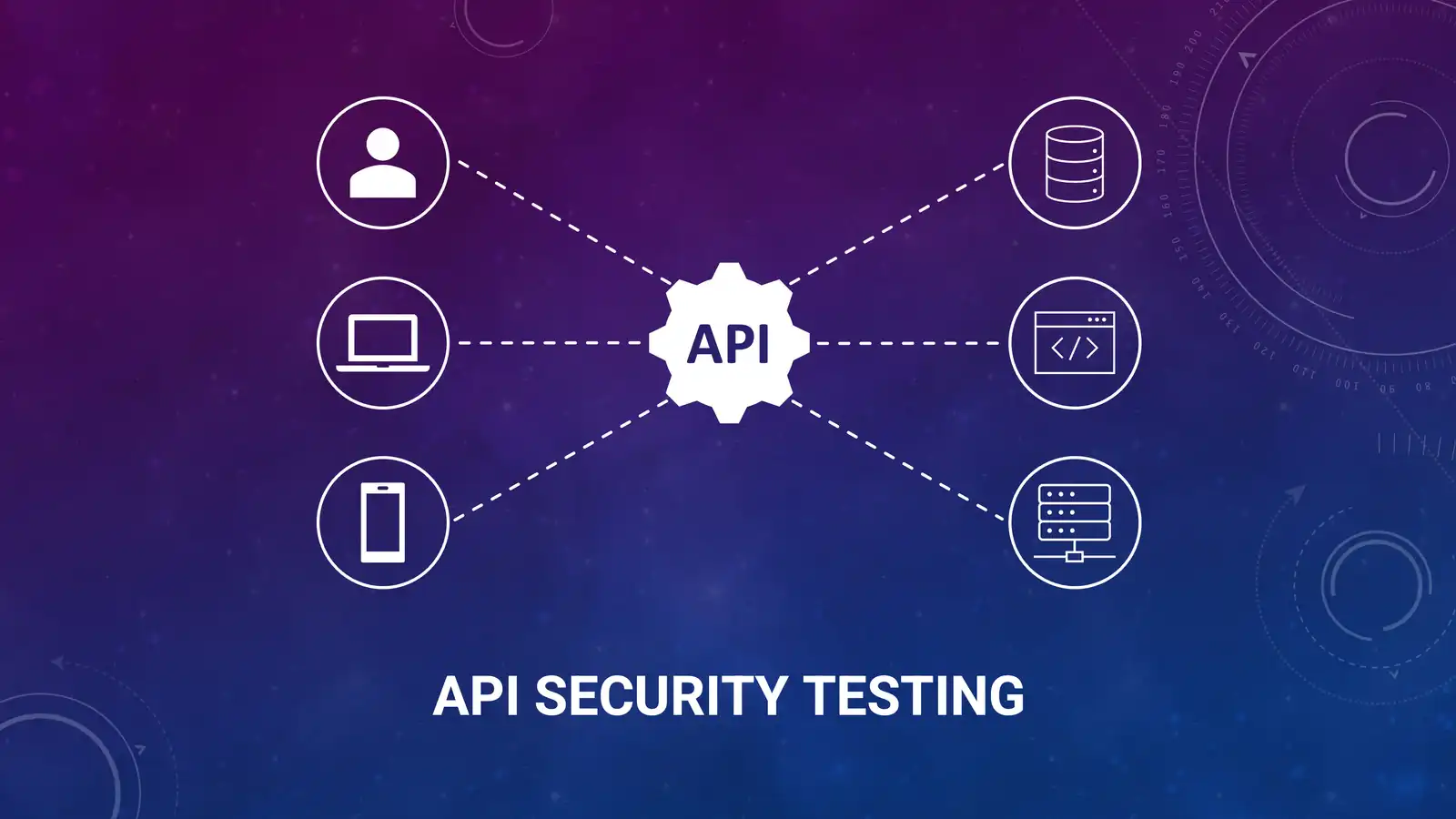
    Firmware Security Testing (BMC, UEFI Exploits)

    Know more 
  • Analyzes email infrastructure for vulnerabilities that could lead to phishing, data breaches, or unauthorized access. Covers configuration gaps, authentication flaws, and exposure risks in platforms like Exchange and O365.

    Email Server Testing (Exchange, O365)

    Know more 

Identifies vulnerabilities and misconfigurations in container images, runtimes, and orchestration platforms like Kubernetes.

Container Security Testing (Docker, Kubernetes)

Know more 

Assessing cloud-based virtual machines for OS flaws, exposure, weak IAM, and insecure network configurations.

Cloud VM Pentesting (EC2, Azure VMs)

Know more 

Evaluating storage protocols for authentication weaknesses, misconfigurations, and data exposure risks.

SAN/NAS Storage Testing (iSCSI, NFS, SMB)

Know more 

Testing serverless functions for insecure code, privilege issues, trigger abuse, and misconfigured permissions.

Serverless Security Testing (AWS Lambda, Azure Functions)

Know more 

Analyzing hypervisors and VMs for isolation flaws, management interface exposure, and escalation paths.

Hypervisor & Virtualization Testing (VMware, Hyper-V)

Know more 

Assessing validator nodes for network exposure, key mismanagement, and protocol-level vulnerabilities.

Blockchain Validator Node Security

Know more 

Evaluates the security of backup systems to ensure data integrity and availability during ransomware attacks. Focuses on identifying weaknesses in backup isolation, access controls, and recovery mechanisms.

Backup Storage Security Testing (Ransomware Resilience

Know more 

Assesses low-level firmware components like BMC and UEFI for hidden vulnerabilities and persistent threats. Helps detect risks that can bypass traditional security controls and compromise hardware-level trust.

Firmware Security Testing (BMC, UEFI Exploits)

Know more 

Analyzes email infrastructure for vulnerabilities that could lead to phishing, data breaches, or unauthorized access. Covers configuration gaps, authentication flaws, and exposure risks in platforms like Exchange and O365.

Email Server Testing (Exchange, O365)

Know more 

Close
Testimonial Image

Close
course-features Image

Close

Inquire Now

  • flag
    +91
Close
Back to Top Prev Page L3 Title
  • Corporate Training
  • Resources
  • Career
  • Blog
  • About Us
  • Contact Us
  • Trainings
  • Ec-Council Programs
  • PECB Programs
  • Data Science Analytics
  • Ec-Council Programs
  • Security Programs
  • SOC-SIEM
  • Ec- Council
  • Services
  • Grow Business
  • Connect Business
  • Protect Business
  • Industry Solutions
  • Solutions Gallery
  • More
  • About Company
  • Careers
  • Blogs
  • Testimonioals
  • Resources
  • Other
  • Registration Steps
  • FAQ’s
  • Refund Policy
  • Reschedule Policy

CONTACT US

New Delhi House, Barakhamba Road, New Delhi,110001

+91 99 | +91 88

011 43 | 011 430

Email:

© 2013 - 2024 Cybar Wind. All Rights Reserved

All the Ownership/Credits/Copyrights of Trademarks/Patents/Copyrights used in the content
posted as text/videos/images on this website belongs to the rightful owners.

  • Sitemap |
  • Terms And Conditions |
  • Privacy Policy