

Course Categories
Post Graduate Certification in Advanced Cybersecurity (PGCAC)
Codec Networks, a global leader in cybersecurity services, presents Centre for Professional Excellence - CoPE, a next-generation skilling platform that combines real-world cyber operations with career-transforming education.
Whether you're a student, professional, or aspiring ethical hacker, this program is your launchpad into the world of Advanced Web Application Testing (including Web 3.0), Red Teaming, Network Security, Cloud Security, DecSecOps, SOC Operations, Threat Intelligence, Digital Forensics, Blue Teaming, GRC Audits, Block Chain Audits, and more—delivered directly by industry practitioners.
- 6-Months of Expert-Led, Tool-Based Cybersecurity Training
- 6-Months Internship on Industry based Projects
- One-Year Work Experience Certificate
- Mentorship by Practicing Cybersecurity Experts
- Capstone Projects based on latest Industry and Technology trends
- Placement Assistance, Stipend & Scholarships
- Certifications Aligned (CEH, CND, CPENT, OSCP, CRTP, AWS, SOC)
Post Graduate Certification in Advanced Cybersecurity (PGCAC)
Codec Networks, a global leader in cybersecurity services, presents Centre for Professional Excellence - CoPE, a next-generation skilling platform that combines real-world cyber operations with career-transforming education.
Whether you're a student, professional, or aspiring ethical hacker, this program is your launchpad into the world of Advanced Web Application Testing (including Web 3.0), Red Teaming, Network Security, Cloud Security, DecSecOps, SOC Operations, Threat Intelligence, Digital Forensics, Blue Teaming, GRC Audits, Block Chain Audits, and more—delivered directly by industry practitioners.
- 6-Months of Expert-Led, Tool-Based Cybersecurity Training
- 6-Months Internship on Industry based Projects
- One-Year Work Experience Certificate
- Mentorship by Practicing Cybersecurity Experts
- Capstone Projects based on latest Industry and Technology trends
- Placement Assistance, Stipend & Scholarships
- Certifications Aligned (CEH, CND, CPENT, OSCP, CRTP, AWS, SOC)
SERVICE FEATURES AND DELIVERY FRAMEWORK
Cybersecurity at Codec Networks means comprehensive features, scalable offerings, effective delivery methods, performance-driven
offerings, effective delivery methods, performance-driven
Codec Networks, through its Centre for Professional Excellence (CoPE), brings in a new cyber generation, learning education platform, Post Graduate Certification in Advanced Cybersecurity (PGCAC), incorporating threat simulations, capstone labs, direct mentorship from practicing professionals, and Industry Internship with exposure to enterprise-grade cybersecurity industry work experience, to ensure that students, professionals, and organizations alike are equipped with the skills, mindset, and tools to defend the digital frontier.
| Program Duration | : | 12 Months |
| Mode | : | Class Room – Online and Remote @Weekend-Only (Friday, Saturday & Sunday) |
| Total Hours | : | 6-8 hours/weekends × 24 weekends |
| Work Experience | : | 6 Months Industry Internship exposure to Enterprise-Grade Cyber Security Work Experience |
| Training Program Structure (TPS) | ||
|---|---|---|
| Phase | Duration | Description |
| Phase 1 | 6 Months | Theoretical Foundation + Hands-on Weekend Labs (5 Core Modules) |
| Phase 2 | 6 Months | Industry Projects / Internship based on selected specialization |
|
Cybersecurity Foundations
|
|
|
|
Advanced Application Security & Penetration Testing
|
|
|
|
Red Teaming – Offensive Security Operations
|
|
|
|
Blue Teaming – Cyber Defence & SOC Operations
|
|
|
|
Cloud Security, Containerization & Hybrid Red Team Ops
|
|
|
At Codec Networks' Centre for Professional Excellence (CoPE), our training delivery methodology is built on a simple belief: "If it's not practical, it's not transformational." That's why we go beyond traditional classroom formats to deliver an immersive, project-driven learning experience grounded in real-world industry use cases.
Designed by cybersecurity practitioners, red teamers, compliance auditors, and SOC leaders, the CoPE learning framework equips students not just with certifications, but with battle-tested competencies that map directly to job roles in red teaming, threat hunting, application security, cloud audits, and more.
Our Post Graduate Certification in Advanced Cybersecurity (PGCAC) follows a 2-phase structure over 12 months, optimized for working professionals and final-year students:
-
Phase 1 (6 Months):
Core knowledge delivery through 5 hands-on modules,
covering cybersecurity fundamentals, application pen testing,
red/blue teaming, cloud security, and hybrid threat modeling.
- Delivered via weekend-only sessions (Sat & Sun)
- Combines interactive lectures, tool-based labs, case studies, and team challenges
- Integrated with continuous evaluation, quizzes, and concept reviews
-
Phase 2 (6 Months):
Real-world internship and project-based learning. Students apply their
acquired skills to live client-aligned scenarios, simulating enterprise
attack-defense landscapes.
- Guided by industry mentors
- Deliverables include reports, presentations, PoCs, threat maps, and log analysis
- Culminates in a cyber range simulation and evaluation board presentation
Each module is carefully designed to mirror real-world security operations and project lifecycles. Learning is facilitated using enterprise-grade tools and platforms such as:
- Red Team Tools: Burp Suite, Nmap, Metasploit, Brute Ratel, Cobalt Strike, Mythic, BloodHound
- Blue Team Tools: Splunk, ELK, Suricata, Zeek, Sysmon, EDR/XDR suites
- Cloud & DevSecOps: AWS, Azure, GCP consoles, Terraform, Kubernetes, GitLab CI/CD, Docker
- Compliance & Risk: ISO 27001 templates, NIST Framework, ISO 27701, GDPR & DPDPA frameworks, Audit Checklists
Students perform active reconnaissance, exploit simulations, network/endpoint analysis, incident response workflows, and cloud misconfiguration remediation in fully managed lab environments.
At CoPE, each learner is assigned an industry mentor who is an active security professional at Codec Networks or a client partner. This mentorship enables:
- Personalized skill assessments and specialization mapping
- Career goal setting and roadmap development
- Guidance on certification pathways (e.g., CEH, CND, CPENT, OSCP, CRTP, AWS Security)
- Mock interviews, resume building, and LinkedIn optimization
- Strategic support during project and internship delivery
This mentor-led model ensures that learners develop with clarity, direction, and relevance to market demands.
The 6-month internship under Phase 2 offers true industry immersion. Interns work on actual cyber tasks such as:
- Simulated red team attacks on enterprise-grade networks (e.g., privilege escalation, AD exploitation)
- Threat monitoring, IOC analysis, and SOC triage on curated log data
- Cloud environment audits (IAM misconfigurations, S3 bucket leaks, cloud metadata abuse)
- Bug bounty-style pen tests of web/mobile applications
- Web3 smart contract testing and decentralized app security reviews
Every project is reviewed, documented, and presented—providing portfolio-grade outputs for job placements and professional growth.
To bridge the academic-industry gap, CoPE learners who complete the full program (Modules + Internship + Evaluation) are issued a 1-Year Work Experience Certificate, co-signed by Codec Networks. This serves as:
- A formal validation of your real-world cybersecurity exposure
- A powerful asset for career transitions, lateral job movement, or skill endorsement
- A proof point of applied capabilities—not just classroom attendance
Additionally, students are engaged in threat intelligence briefings, participate in cyber crisis drills, and are exposed to live SOC walkthroughs, reinforcing their readiness for enterprise-grade environments.
Codec Networks' deep presence in the cybersecurity service market opens opportunities for placement and client referrals. CoPE students are considered for:
- Performance-based placement assistance based on client vacancies
- Stipend opportunities (Month 7–12) for technically competent interns
- Project references and skill endorsements for recruitment or lateral shifts
Our career support model includes:
- Personality development & executive communication training
- Career alignment workshops and hiring partner meetups
- Continuous access to alumni networks and professional groups
Learning doesn't end with a certificate. CoPE provides:
- Access to all lab environments and LMS post-program
- Priority invites to Codec workshops, threat briefings, and webinars
- Alumni access to advanced programs in Blockchain Forensics, AI Security, Quantum Cryptography, etc.
| Standard/Framework | Description | Application in CoPE Program |
|---|---|---|
| ISO/IEC 27001:2022 | International standard for Information Security Management Systems (ISMS) | Incorporated in GRC training, ISMS audit simulation labs, risk assessment modules |
| NIST Cybersecurity Framework (CSF) | Risk-based cybersecurity framework with 5 core functions: Identify, Protect, Detect, Respond, Recover | Underpins Red Team, SOC Operations, and Incident Handling training |
| MITRE ATT&CK Framework | Globally recognized threat tactics and techniques knowledge base | Core part of offensive and defensive module content and red team labs |
| OWASP Top 10 (2021 & 2023) | Top ten most critical web application security risks | Application Security module and bug bounty labs are based on OWASP standards |
| ISO/IEC 42001:2023 | AI Management System standard for secure and responsible AI use | Referenced in Generative AI risk assessment, deepfake security, and LLM testing labs |
| GDPR / DPDPA 2023 | Global (EU) and Indian (India) data privacy regulations | Included in Data Privacy and Compliance sessions during GRC and Blue Team training |
| ISO/IEC 27701:2019 | Privacy Information Management System (PIMS) standard | Applied in modules on data protection impact assessments and privacy engineering |
| ISO/IEC 31000 | Enterprise Risk Management framework | Strategic Risk Management module for board-level cyber risk simulations |
Codec Networks, through its Centre for Professional Excellence (CoPE), brings in a new cyber generation, learning education platform, Post Graduate Certification in Advanced Cybersecurity (PGCAC), incorporating threat simulations, capstone labs, direct mentorship from practicing professionals, and Industry Internship with exposure to enterprise-grade cybersecurity industry work experience, to ensure that students, professionals, and organizations alike are equipped with the skills, mindset, and tools to defend the digital frontier.
| Program Duration | : | 12 Months |
| Mode | : | Class Room – Online and Remote @Weekend-Only (Friday, Saturday & Sunday) |
| Total Hours | : | 6-8 hours/weekends × 24 weekends |
| Work Experience | : | 6 Months Industry Internship exposure to Enterprise-Grade Cyber Security Work Experience |
| Training Program Structure (TPS) | ||
|---|---|---|
| Phase | Duration | Description |
| Phase 1 | 6 Months | Theoretical Foundation + Hands-on Weekend Labs (5 Core Modules) |
| Phase 2 | 6 Months | Industry Projects / Internship based on selected specialization |
|
Cybersecurity Foundations
|
|
|
|
Advanced Application Security & Penetration Testing
|
|
|
|
Red Teaming – Offensive Security Operations
|
|
|
|
Blue Teaming – Cyber Defence & SOC Operations
|
|
|
|
Cloud Security, Containerization & Hybrid Red Team Ops
|
|
|
CODEC NETWORKS VALUE PROPOSITION
Beyond protection, Codec Networks delivers value additions that strengthen
compliance, build digital trust, and empower business innovation.
Codec Networks is not a conventional training company—it is a globally active cybersecurity firm that operates at the forefront of securing digital ecosystems. By leveraging its frontline experience and deep domain expertise, Codec has built the Centre for Professional Excellence (CoPE) to address a critical gap in the cybersecurity talent pipeline: the lack of industry-ready professionals with hands-on, multi-domain skills.
The CoPE initiative is grounded in practical education, experiential learning, and career-aligned outcomes. Through its Post Graduate Certification in Advanced Cybersecurity (PGCAC), Codec Networks delivers far more than a curriculum—it delivers career transformation, industry access, and technical mastery. Here's how Codec Networks provides unmatched value through its training services:
Codec Networks is actively engaged in services such as VAPT, Red and Blue Team Operations, Threat Intelligence, Cloud Security, Compliance Audits, and Forensics across Government, BFSI, Critical Infrastructure, and emerging Tech sectors. Learners enrolled in CoPE don't just study cybersecurity—they gain insight from the very professionals who fight threats in the real world every day.
The content is constantly updated with real-world breaches, attack simulations, and regulatory mandates, offering unparalleled relevance and realism.
Every CoPE module is designed to simulate a real cyber operation. Learners are immersed in live environments using industry-standard tools like Burp Suite, Cobalt Strike, Nmap, Splunk, AWS Security Hub, Wireshark, Docker, and more.
Red teaming simulations, malware reversing, log triaging, phishing campaigns, smart contract auditing, and cloud IAM misconfiguration testing are just a few of the tasks students perform. This lab-first approach builds confidence and real operational capability.
The training programs are tightly aligned with global certification paths and international cybersecurity standards. Learners are prepared for high-value credentials including OSCP, CEH, CRTP, CHFI, AWS Security, ISO 27001 LA, and more.
The curriculum also integrates standards like MITRE ATT&CK, NIST CSF, ISO/IEC 27001, ISO 27701, ISO 42001 (AI), and GDPR/DPDPA—ensuring graduates are not only technically skilled but compliance-literate and industry-ready.
To help bridge the gap between academic training and industry demand, CoPE offers a 6-month internship phase, where learners work on real-world projects under the mentorship of experienced cyber professionals.
Successful learners also receive a 1-year Work Experience Certificate issued by Codec Networks, validating their contribution to Red Team simulations, SOC operations, Web3 audits, or Cloud Security reviews. This unique credential significantly enhances employability and job readiness.
Every learner is matched with a dedicated industry mentor—an active professional from Codec's Cyber operations, Consulting, or SOC teams. Mentors help learners identify their strengths, choose specializations (Red Team, Blue Team, Cloud, AppSec, GRC), and create certification roadmaps.
This ongoing mentorship ensures learners stay focused, improve continuously, and understand how to navigate their career trajectory in a fast-changing digital world.
Codec Networks is committed to making world-class cybersecurity education accessible and inclusive of:
- Merit-based scholarships for top performers
- Stipend support during the internship phase for technically proficient candidates
- Discounts for socially resilient backgrounds including Armed Forces, Agniveer, Economically Weaker Sections (EWS), and students from agricultural families
This reward-based model not only recognizes talent—it removes financial barriers to advanced education.
As an active service provider with clients across sectors, Codec Networks is uniquely positioned to facilitate placement assistance for top-performing students, subject to project and client requirements.
By integrating real-world projects, professional documentation, and cyber range evaluations, Codec ensures that every learner builds a job-ready portfolio. Many learners also receive referrals or lateral shift support into specialized roles in red teaming, DevSecOps, Forensic Analysis, or Cloud compliance.
CoPE doesn't stop at theoretical training—it pushes learners into high-pressure simulations involving Red vs. Blue scenarios, incident handling, ransomware investigations, hybrid cloud attacks, and threat intelligence reporting.
These advanced labs function as capstone projects and mimic what security teams face during live attacks. Learners walk away with documented PoCs, threat models, SIEM logs, and forensic reports—assets that validate their skills during job interviews and promotions.
Once you're a part of CoPE, your journey doesn't end with certification. Learners receive lifetime access to the LMS portal, continuous updates to learning content, invitations to industry webinars and Codec-hosted cyber briefings, and early access to new-generation modules (e.g., Post-Quantum Security, AI Forensics, Metaverse Security, DAO Exploits, etc.).
The CoPE alumni network also serves as a valuable community for mentorship, hiring referrals, and advanced learning.
Codec's training programs don't just teach how to run tools—they teach learners how to think like security leaders. With components in strategic risk, regulatory compliance, executive communication, and real-time incident management, CoPE programs develop professionals who can defend organizations, influence boardrooms, and lead security initiatives.
Soft skill training, personality development, and professional branding are core to this transformation.
In a world where digital threats evolve faster than traditional education can keep up, Codec Networks' CoPE is setting a new benchmark in cybersecurity skilling. By fusing real-world operations, global standards, mentorship, and career enablement into a single integrated model, Codec Networks doesn't just train cybersecurity professionals—it produces the next generation of cyber leaders.
Codec Networks' CoPE training model goes beyond superficial education. It creates cyber defenders equipped with precision, confidence, and impact. Through expert-led training, project immersion, and career mentorship, CoPE empowers professionals to thrive in the cybersecurity battlefield.
Codec Networks is not a conventional training company—it is a globally active cybersecurity firm that operates at the forefront of securing digital ecosystems. By leveraging its frontline experience and deep domain expertise, Codec has built the Centre for Professional Excellence (CoPE) to address a critical gap in the cybersecurity talent pipeline: the lack of industry-ready professionals with hands-on, multi-domain skills.
The CoPE initiative is grounded in practical education, experiential learning, and career-aligned outcomes. Through its Post Graduate Certification in Advanced Cybersecurity (PGCAC), Codec Networks delivers far more than a curriculum—it delivers career transformation, industry access, and technical mastery. Here's how Codec Networks provides unmatched value through its training services:
Codec Networks is actively engaged in services such as VAPT, Red and Blue Team Operations, Threat Intelligence, Cloud Security, Compliance Audits, and Forensics across Government, BFSI, Critical Infrastructure, and emerging Tech sectors. Learners enrolled in CoPE don't just study cybersecurity—they gain insight from the very professionals who fight threats in the real world every day.
The content is constantly updated with real-world breaches, attack simulations, and regulatory mandates, offering unparalleled relevance and realism.
Every CoPE module is designed to simulate a real cyber operation. Learners are immersed in live environments using industry-standard tools like Burp Suite, Cobalt Strike, Nmap, Splunk, AWS Security Hub, Wireshark, Docker, and more.
Red teaming simulations, malware reversing, log triaging, phishing campaigns, smart contract auditing, and cloud IAM misconfiguration testing are just a few of the tasks students perform. This lab-first approach builds confidence and real operational capability.
The training programs are tightly aligned with global certification paths and international cybersecurity standards. Learners are prepared for high-value credentials including OSCP, CEH, CRTP, CHFI, AWS Security, ISO 27001 LA, and more.
The curriculum also integrates standards like MITRE ATT&CK, NIST CSF, ISO/IEC 27001, ISO 27701, ISO 42001 (AI), and GDPR/DPDPA—ensuring graduates are not only technically skilled but compliance-literate and industry-ready.
To help bridge the gap between academic training and industry demand, CoPE offers a 6-month internship phase, where learners work on real-world projects under the mentorship of experienced cyber professionals.
Successful learners also receive a 1-year Work Experience Certificate issued by Codec Networks, validating their contribution to Red Team simulations, SOC operations, Web3 audits, or Cloud Security reviews. This unique credential significantly enhances employability and job readiness.
Every learner is matched with a dedicated industry mentor—an active professional from Codec's Cyber operations, Consulting, or SOC teams. Mentors help learners identify their strengths, choose specializations (Red Team, Blue Team, Cloud, AppSec, GRC), and create certification roadmaps.
This ongoing mentorship ensures learners stay focused, improve continuously, and understand how to navigate their career trajectory in a fast-changing digital world.
Codec Networks is committed to making world-class cybersecurity education accessible and inclusive of:
- Merit-based scholarships for top performers
- Stipend support during the internship phase for technically proficient candidates
- Discounts for socially resilient backgrounds including Armed Forces, Agniveer, Economically Weaker Sections (EWS), and students from agricultural families
This reward-based model not only recognizes talent—it removes financial barriers to advanced education.
As an active service provider with clients across sectors, Codec Networks is uniquely positioned to facilitate placement assistance for top-performing students, subject to project and client requirements.
By integrating real-world projects, professional documentation, and cyber range evaluations, Codec ensures that every learner builds a job-ready portfolio. Many learners also receive referrals or lateral shift support into specialized roles in red teaming, DevSecOps, Forensic Analysis, or Cloud compliance.
CoPE doesn't stop at theoretical training—it pushes learners into high-pressure simulations involving Red vs. Blue scenarios, incident handling, ransomware investigations, hybrid cloud attacks, and threat intelligence reporting.
These advanced labs function as capstone projects and mimic what security teams face during live attacks. Learners walk away with documented PoCs, threat models, SIEM logs, and forensic reports—assets that validate their skills during job interviews and promotions.
Once you're a part of CoPE, your journey doesn't end with certification. Learners receive lifetime access to the LMS portal, continuous updates to learning content, invitations to industry webinars and Codec-hosted cyber briefings, and early access to new-generation modules (e.g., Post-Quantum Security, AI Forensics, Metaverse Security, DAO Exploits, etc.).
The CoPE alumni network also serves as a valuable community for mentorship, hiring referrals, and advanced learning.
Codec's training programs don't just teach how to run tools—they teach learners how to think like security leaders. With components in strategic risk, regulatory compliance, executive communication, and real-time incident management, CoPE programs develop professionals who can defend organizations, influence boardrooms, and lead security initiatives.
Soft skill training, personality development, and professional branding are core to this transformation.
In a world where digital threats evolve faster than traditional education can keep up, Codec Networks' CoPE is setting a new benchmark in cybersecurity skilling. By fusing real-world operations, global standards, mentorship, and career enablement into a single integrated model, Codec Networks doesn't just train cybersecurity professionals—it produces the next generation of cyber leaders.
Codec Networks' CoPE training model goes beyond superficial education. It creates cyber defenders equipped with precision, confidence, and impact. Through expert-led training, project immersion, and career mentorship, CoPE empowers professionals to thrive in the cybersecurity battlefield.
WHAT OUR CUSTOMERS SAY
Every customer testimonial is proof of our commitment, highlighting security, compliance, and resilience enabled by Codec Networks’ services.
THE CYBERSECURITY EDUCATION LANDSCAPE
Building Digital Defenders for a Complex World
In today's hyper-connected world, cybersecurity is no longer a back-office concern—it is a strategic necessity across every industry. From AI-driven automation to decentralized finance and smart cities, every innovation is shadowed by evolving cyber threats. The accelerating pace of digital transformation has not only expanded the attack surface but also redefined the competencies needed to defend it.
We live in an era of pervasive technology. Every enterprise now depends on complex digital ecosystems composed of cloud platforms, mobile applications, third-party integrations, and API-driven architectures. This interconnectedness has given rise to sophisticated cyber threats such as ransomware-as-a-service, multi-stage advanced persistent threats (APT), insider data leaks, and large-scale social engineering attacks.
In response, cybersecurity is evolving from traditional perimeter defense to adaptive, intelligence-driven, and proactive practices. Modern countermeasures now include Red Teaming, Zero-Trust Architecture, Security Orchestration (SOAR), Vulnerability Management, Threat Hunting, and Cyber Incident Response Drills.
Today's cybersecurity professionals must possess cross-functional skills in Penetration Testing, Malware Analysis, Forensic Investigation, Cloud Security Auditing, DevSecOps Integration, and Regulatory Compliance (ISO 27001, DPDPA, GDPR, HIPAA).
At the same time, non-technical skills such as critical thinking, business risk mapping, executive communication, and incident management coordination are gaining equal importance. Cybersecurity is no longer just about securing networks—it's about enabling resilient digital business operations.
THE CYBERSECURITY EDUCATION LANDSCAPE
Building Digital Defenders for a Complex World
In today's hyper-connected world, cybersecurity is no longer a back-office concern—it is a strategic necessity across every industry. From AI-driven automation to decentralized finance and smart cities, every innovation is shadowed by evolving cyber threats. The accelerating pace of digital transformation has not only expanded the attack surface but also redefined the competencies needed to defend it.
We live in an era of pervasive technology. Every enterprise now depends on complex digital ecosystems composed of cloud platforms, mobile applications, third-party integrations, and API-driven architectures. This interconnectedness has given rise to sophisticated cyber threats such as ransomware-as-a-service, multi-stage advanced persistent threats (APT), insider data leaks, and large-scale social engineering attacks.
In response, cybersecurity is evolving from traditional perimeter defense to adaptive, intelligence-driven, and proactive practices. Modern countermeasures now include Red Teaming, Zero-Trust Architecture, Security Orchestration (SOAR), Vulnerability Management, Threat Hunting, and Cyber Incident Response Drills.
Today's cybersecurity professionals must possess cross-functional skills in Penetration Testing, Malware Analysis, Forensic Investigation, Cloud Security Auditing, DevSecOps Integration, and Regulatory Compliance (ISO 27001, DPDPA, GDPR, HIPAA).
At the same time, non-technical skills such as critical thinking, business risk mapping, executive communication, and incident management coordination are gaining equal importance. Cybersecurity is no longer just about securing networks—it's about enabling resilient digital business operations.
As industries adopt emerging technologies like Artificial Intelligence (AI), Machine Learning (ML), Blockchain, Cryptocurrencies, IoT, Generative AI, and Web 3.0, the nature of cyber risk is becoming more dynamic and unpredictable.
AI and Generative AI are enabling powerful new attack vectors, including deep fake-based social engineering, data poisoning, adversarial model manipulation, and LLM jailbreaks. Securing these systems requires skills in prompt injection testing, AI/ML model validation, and ISO 42001 compliance.
Blockchain and Web 3.0 introduce risks related to smart contract vulnerabilities, DeFi protocol hacks, rug pulls, flash loan attacks, and crypto wallet theft. Security professionals must understand decentralized application (dApp) security, consensus protocol weaknesses, and on-chain forensic analysis.
Cloud-Native Ecosystems—including containerization, serverless architectures, and multi-cloud platforms—demand specialized knowledge of IAM abuse, misconfiguration attacks, token theft, lateral movement within cloud networks, and DevOps toolchain security.
IoT and OT systems—pervasive in manufacturing, healthcare, and smart infrastructure—pose challenges in firmware vulnerabilities, network segmentation, insecure protocols, and remote exploitation. Professionals must be capable of performing IoT penetration testing, ICS/SCADA audits, and 5G security reviews.
In essence, cybersecurity in the age of emerging tech calls for hybrid skills that blend traditional security practices with domain-specific, tech-forward capabilities.
Enterprises across sectors—whether BFSI, Healthcare, Government, E-commerce, or Critical Infrastructure—face increasing pressure to meet compliance mandates while also defending against sophisticated adversaries. However, most organizations struggle with:
- Lack of in-house cybersecurity talent capable of responding to today's threats
- Misalignment between business strategy and cyber defense planning
- Poor visibility into third-party/vendor risks
- Limited ability to scale SOC operations and threat intelligence frameworks
- Delays in integrating security into development (shift-left)
Moreover, compliance demands such as DPDPA 2025, GDPR, RBI Cybersecurity Framework, and SEBI Resilience Guidelines now require companies to report incidents, conduct periodic audits, perform data privacy impact assessments, and demonstrate active risk governance. These mandates are increasing the need for security professionals who are both technically proficient and regulatory-aware.
Businesses today are not just hiring for individual tools expertise—they are looking for Cyber Strategists, Red Team Leaders, SOC Managers, Privacy Engineers, and Cloud-Native Defenders who can drive security as a business enabler.
Despite the rise in awareness, cybersecurity firms continue to face a significant manpower challenge. Demand for skilled professionals far exceeds supply—especially in advanced domains like Offensive Security, Cloud Forensics, Web3 Security, and AI red teaming.
Key challenges include:
- Shortage of professionals with hands-on experience in real-world scenarios
- Over-reliance on theory-based certification without lab-based validation
- Inability to find candidates with cross-domain understanding (e.g., privacy + security + cloud + DevOps)
- Time and resource investments required to upskill fresh recruits before deployment
This gap directly impacts service delivery timelines, threat response capabilities, and customer satisfaction. As such, leading cybersecurity firms like Codec Networks are actively investing in education pipelines, mentorship programs, and internal skilling academies to build a self-sustaining talent supply chain.
While cybersecurity is gaining prominence in academic circles, most university programs remain outdated or misaligned with industry realities. Students face several challenges:
- Outdated syllabi that don't include current frameworks like MITRE ATT&CK, NIST CSF, or Zero Trust Architecture
- Lack of exposure to modern tools used in real environments (e.g., SIEM, XDR, Splunk, Cobalt Strike, AWS Security)
- Minimal or no hands-on lab sessions, red-blue simulations, or vulnerability assessment projects
- Limited understanding of compliance mandates, legal frameworks, or the cyber risk landscape
- Absence of structured career mentorship or industry-institute collaborations
As a result, many graduates emerge with certificates but lack the operational competence or confidence to handle real-world cyber challenges. Without mentorship, project experience, or internships, their entry into the industry is often delayed or unsuccessful.
FREQUENTLY ASKED QUESTION
Asking the right questions is the first step toward security; our FAQs
Graduate Program Certification

ISO/IEC 27005 provides guidelines for implementing an effective Information Security Risk Management process, helping organizations identify, assess, and mitigate risks to safeguard information assets and ensure robust cybersecurity measures.
ISO/IEC 27005 (Information Security Risk Management)
Know more
ISO/IEC 27034 Lead (Application Security) is a certification that focuses on applying information security management practices to software development, ensuring secure application design, coding, testing, and risk management throughout the development lifecycle.
ISO/IEC 27034 Lead (Application Security)
Know more
SCADA Security Manager is a certification that focuses on securing Supervisory Control and Data Acquisition (SCADA) systems, ensuring the protection of critical infrastructure, real-time monitoring, and managing risks associated with industrial control systems.
SCADA Security Manager
Know more
Digitalization and Electronic Archiving Manager is a certification that equips professionals with skills to manage digital transformation, electronic records management, and ensure secure, efficient archiving of documents and data for long-term access.
Digitalization and Electronic Archiving Manager
Know more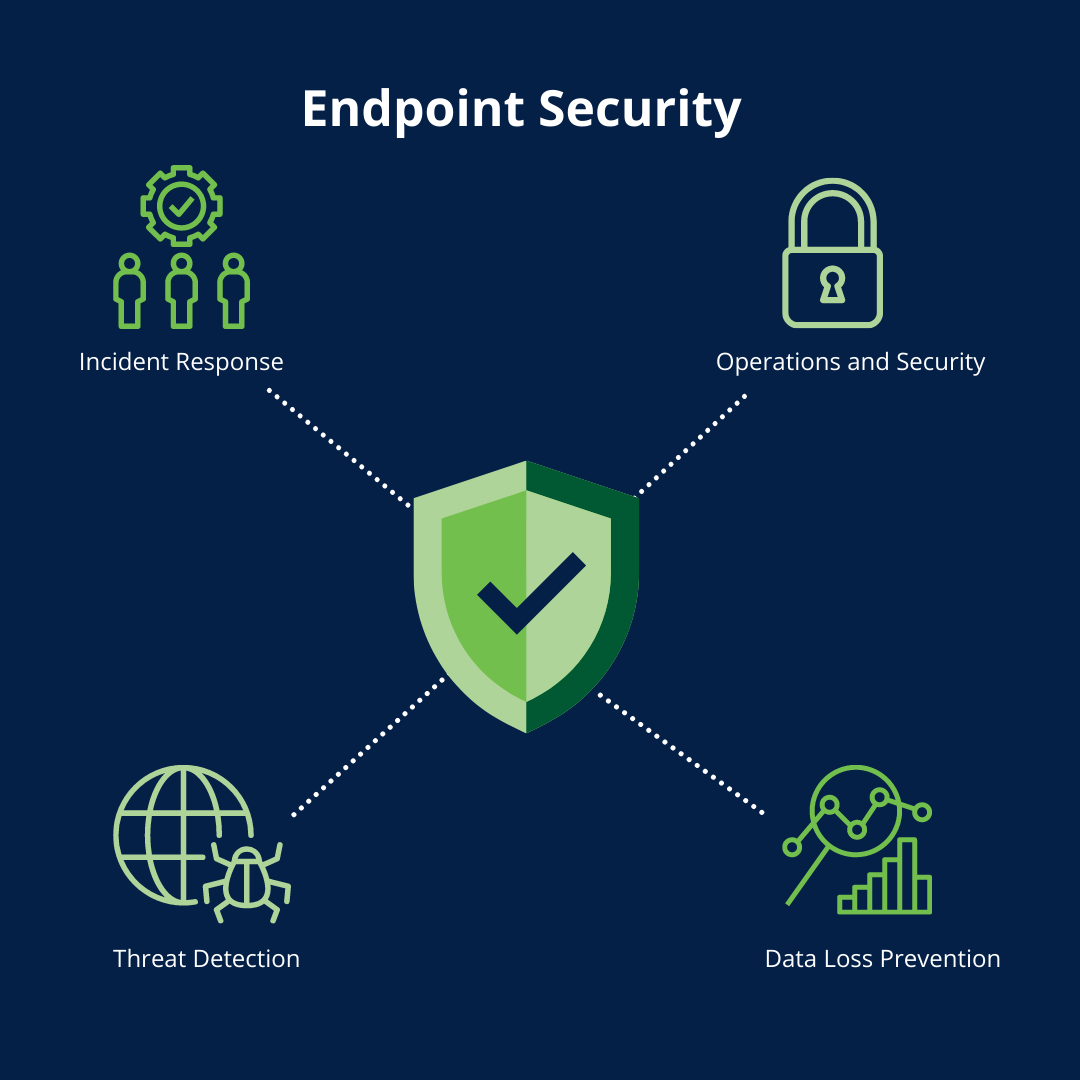
ISO 37001 is a certification that provides a framework for establishing, implementing, and maintaining an anti-bribery management system, helping organizations prevent, detect, and address bribery and unethical practices within their operations.
ISO 37001 (Anti-Bribery)
Know more
ISO 22301 is a standard for Business Continuity Management Systems (BCMS), providing guidelines to help organizations develop, implement, and maintain strategies to ensure resilience, continuity, and recovery during disruptions or emergencies.
ISO 22301 (Business Continuity Management System)
Know more
ISO/IEC 38500 provides a framework for IT governance, offering principles and guidelines to ensure effective management of information technology, aligning IT strategies with business objectives, and enhancing organizational performance and accountability.
ISO/IEC 38500 (IT Governance)
Know more
ISO 20000 is an international standard for IT Service Management (ITSM), outlining best practices for delivering high-quality IT services, improving customer satisfaction, and ensuring effective service management processes and continual improvement.
ISO 20000 (IT Service Management System)
Know more
ISO 21500 provides guidelines for project management, offering a structured framework to ensure effective project planning, execution, and control, leading to successful project delivery, resource optimization, and alignment with organizational goals.
ISO 21500 (Project Management)
Know more
ISO 27035 provides guidelines for managing information security incidents, focusing on preparation, detection, response, and recovery processes to minimize impact, ensure timely resolution, and enhance an organization's ability to handle future incidents.
ISO 27035 (Incident Management)
Know more
ISO 28000 provides a framework for managing supply chain security, helping organizations identify and mitigate risks, ensuring the protection of goods, services, and information throughout the supply chain to prevent disruptions.
ISO 28000 (Supply Chain Security Management System)
Know more
Six Sigma certifications focus on process improvement methodologies, using data-driven techniques to eliminate defects, reduce variability, and optimize efficiency. These certifications range from Yellow Belt (beginner) to Black Belt (expert).
Six Sigma Certifications
Know more
ISO 9001 is an international standard for Quality Management Systems (QMS), providing guidelines to improve product quality, customer satisfaction, and operational efficiency by implementing effective processes and continuous improvement practices.
ISO 9001 (Quality Management System)
Know more
ISO 13485 is a standard for Quality Management Systems in the medical device industry, ensuring the design, development, and manufacturing processes meet regulatory requirements and produce safe, reliable medical devices.
ISO 13485 (Medical Devices Quality Management)
Know more
ISO/IEC 17025 is a standard for laboratory management systems, ensuring laboratories demonstrate technical competence, produce accurate results, and meet regulatory requirements for testing, calibration, and proficiency in laboratory operations.
ISO/IEC 17025 (Laboratory Management System)
Know more
AS9100 is a quality management standard specifically for the aerospace industry, ensuring organizations meet regulatory requirements, enhance product quality, and optimize processes for the design, production, and maintenance of aerospace products.
AS9100 (Aerospace Quality Management)
Know more
IATF 16949 is a global quality management standard for the automotive industry, focusing on continuous improvement, defect prevention, and reducing variations to ensure high-quality products and efficient manufacturing processes.
IATF 16949 Quality Management
Know more
ISO/TS 29001 is a quality management standard for the oil and gas industry, ensuring that organizations meet rigorous safety, environmental, and regulatory requirements while maintaining high-quality products and services across the supply chain.
ISO/TS 29001 (Oil and Gas Quality Management)
Know more
ISO 50001 provides a framework for organizations to establish, implement, and maintain effective energy management systems, improving energy efficiency, reducing consumption, and promoting sustainability while meeting environmental and regulatory requirements.
ISO 50001 (Energy Management System)
Know more
ISO 22000 is a global standard for Food Safety Management Systems (FSMS), ensuring organizations manage food safety risks, comply with regulations, and deliver safe, high-quality food products throughout the supply chain.
ISO 22000 (Food Safety Management System)
Know more
GDPR Certified Data Protection Officer (DPO) is a certification that equips professionals with the knowledge and skills to ensure compliance with the General Data Protection Regulation (GDPR), safeguarding personal data and privacy rights.
Supervisory Control and Data Acquisition Cybersecurity (SCADA)
Know moreEC Council Accredited Certification Programs
Security Assessment and Penetration Testing (VAPT) involves evaluating systems for vulnerabilities through simulated attacks and thorough testing, identifying security weaknesses, and providing solutions to enhance an organization’s cybersecurity posture.
Certified Ethical Hacker (C|EH)
Know more
Cloud Security involves protecting data, applications, and services in cloud environments, ensuring secure access, data encryption, threat detection, and compliance with industry regulations to safeguard against cyberattacks and unauthorized access.
Certified Network Defender (C|ND)
Know more
Security Operations and Management involves overseeing and coordinating security measures, including monitoring, incident response, threat detection, and risk mitigation, to protect an organization’s assets, data, and infrastructure from cyber threats.
Computer Hacking Forensic Investigator (C|HFI)
Know more
Cyber Forensic and Fraud Management involves investigating cybercrimes, collecting and analyzing digital evidence, detecting fraudulent activities, and implementing strategies to prevent, mitigate, and recover from financial fraud and security breaches.
Certified Penetration Testing Professional (C|PENT)
Know more
Security Technology & Vendor-Specific Training focuses on educating professionals about specific security tools, technologies, and vendor solutions, enabling them to effectively implement, manage, and optimize security systems for various environments.
Threat Intelligence
Know more
Licensed Penetration Tester (LPT) is an elite certification that validates expertise in advanced penetration testing, ethical hacking, and security assessment, ensuring professionals can simulate real-world cyberattacks to secure critical systems effectively.
EC-Council Disaster Recovery Professional (E|DRP)
Know more
Certified Network Defender (CND) is a cybersecurity certification focusing on network security, threat detection, risk management, and incident response, equipping professionals with skills to protect and defend network infrastructures from cyber threats. test
Certified SOC Analyst (C|SA)
Know more
Certified Ethical Hacker (CEH) is a globally recognized certification that trains professionals in ethical hacking techniques, penetration testing, and cybersecurity defense strategies to identify, prevent, and mitigate cyber threats and vulnerabilities.
Cloud Security
Know more
Certified Security Analyst (ECSA) is an advanced cybersecurity certification that focuses on penetration testing, vulnerability assessment, and ethical hacking methodologies to help professionals analyze, exploit, and secure network infrastructures effectively.
Blockchain
Know more
Certified SOC Analyst (CSA) is a cybersecurity certification that equips professionals with skills in security monitoring, threat intelligence, incident detection, and response, enhancing their ability to protect and defend Security Operations Centers (SOCs).
Certified Chief Information Security Officer (C|CISO)
Know moreGRC Training & Certification
Digitalization and Electronic Archiving involve converting physical documents into digital formats, storing them securely, and managing access, ensuring efficient retrieval, long-term preservation, and compliance with regulatory and organizational standards.
ISO/IEC 27001 (ISMS)
Know more
Data Warehousing & ETL (Extract, Transform, Load) involve collecting, storing, and managing large datasets from multiple sources, transforming them for analysis, and loading them into centralized repositories for efficient business intelligence insights.
ISO 27701 Lead Auditor (LA) / Lead Implementer (LI)
Know more
Blockchain & IoT (Internet of Things) combine decentralized ledger technology and interconnected devices to enhance security, transparency, and efficiency, enabling secure data sharing, automation, and real-time decision-making across industries.
ISO 22301 Lead Auditor (LA) / Lead Implementer (LI)
Know more
Certified Incident Handler (ECIH) is a cybersecurity certification that trains professionals in incident response, threat management, forensic analysis, and risk mitigation to effectively handle and recover from cyber incidents and security breaches.
ISO/IEC 42001 Lead Auditor (LA) / Lead Implementer (LI)
Know more
Robotic Process Automation (RPA) uses software robots or "bots" to automate repetitive tasks, enhancing efficiency, accuracy, and productivity in business processes while reducing human intervention and operational costs.
ISO 37001
Know more
ISO 31000 provides a framework for risk management, offering guidelines to identify, assess, and mitigate risks across various domains, helping organizations achieve consistent, effective decision-making and enhance operational resilience.