

Resources Categories
INDUSTRY FACT FILE · CREDIT INFORMATION & FINANCIAL DATA
Five New Case Studies in Credit Data Security
Original 2026 case studies, each written as a blog post, showing how current threats play out for credit and financial data firms and how Codec Networks services break the attack chain.
|
In this document 1. About these case studies 2. Case Study 1: The Member Key That Pulled a Million Reports 3. Case Study 2: The Analyst Who Exported the Segment 4. Case Study 3: The Repayment File That Rewrote Histories 5. Case Study 4: The KYC Records in the Test Bucket 6. Case Study 5: The Score Model Trained on Stolen Data |
About these case studies
These five case studies were written for this document set and have not been published elsewhere. Each is a composite scenario combining attack techniques and control failures widely observed in credit information and financial data with the obligations that apply in India as of October 2026—in particular CICRA 2005, RBI's Directions, SEBI CSCRF, CERT-In's Directions and the DPDP framework.
|
Important disclosure The organisations described are fictional and the scenarios are illustrative. They are not accounts of real incidents, and they are not Codec Networks client engagements or claims of achieved outcomes. Their value lies in showing how connected weaknesses form an attack chain, which controls break it, and which services test those controls. |
|
Case study |
Organisation type |
Core threat |
Regulatory lens |
Primary bundles |
|
1. The Member Key That Pulled a Million Reports |
Credit bureau |
Stolen member API credentials |
CICRA; RBI Directions; CERT-In; DPDP |
B2, B7, B8 |
|
2. The Analyst Who Exported the Segment |
Credit analytics firm |
Insider data export |
Contracts; DPDP; CERT-In |
B6, B7, B8 |
|
3. The Repayment File That Rewrote Histories |
Lender and credit bureau |
Submission-file tampering |
CICRA; RBI Directions |
B2, B4, B7 |
|
4. The KYC Records in the Test Bucket |
Financial data processor |
Production data in exposed test storage |
CERT-In; DPDP; client contracts |
B3, B6, B8 |
|
5. The Score Model Trained on Stolen Data |
Analytics vendor and lender |
Vendor data misuse and leakage |
CICRA; DPDP; vendor contracts |
B9, B6, B11 |
Case Study 1: The Member Key That Pulled a Million Reports
The key was valid. The member had no idea it was being used.
|
At a glance |
|
|
Organisation |
A credit bureau (“Bureau A”) serving thousands of lenders through APIs |
|
Threat |
A small lender's API key leaked in a code repository and used to pull reports for weeks |
|
Why it is new |
API delivery makes every member credential a door into the bureau |
|
Codec Networks services |
API and secrets testing, SOC monitoring, incident response (Bundles B2, B7, B8) |
The scenario
A developer at a small lender committed configuration files, including the bureau API key, to a public code repository.
An attacker found the key and began pulling reports at a steady pace that stayed below simple per-minute limits.
Over several weeks, report data was used for targeted 'pre-approved loan' fraud calls. Bureau A noticed only after consumers complained about enquiries they had not authorised.
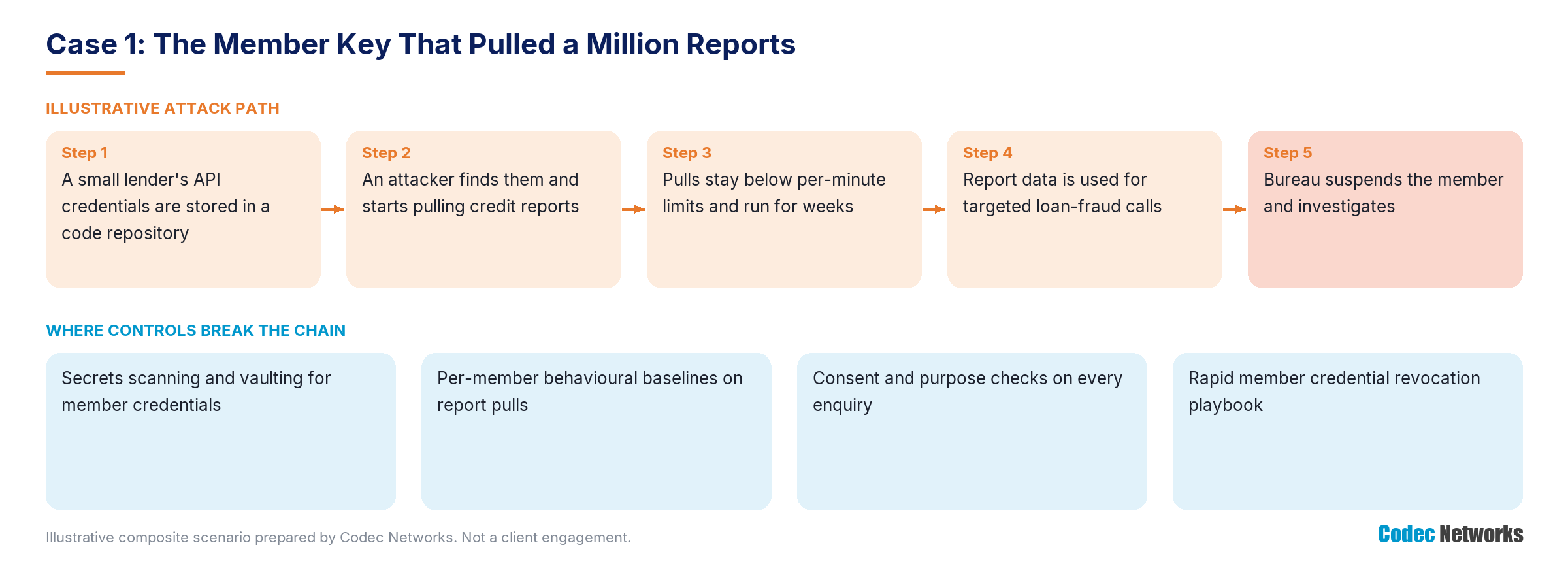
Figure 8: Illustrative attack path for Case Study 1 and the controls that break it.
What went wrong
- Member keys were not vaulted or rotated.
- No per-member baselines on pull volumes.
- Consent and purpose were not verified for each enquiry.
- Revocation took days, not minutes.
The impact
Bureau A suspended the member, notified affected parties and faced regulatory and public scrutiny over member security.
The regulatory lens
- CICRA and CIC Regulations: security safeguards and access only for permitted purposes.
- RBI Directions: cybersecurity and technology risk expectations for CICs.
- CERT-In Directions: incidents reported within six hours.
- DPDP Act and Rules: safeguards and breach intimation once provisions commence.
How Codec Networks would help
|
Need |
Codec Networks response |
Bundle |
|
Test the APIs |
API, consent and purpose-check testing |
B2 |
|
Spot the abuse |
Per-member pull baselines and SOC use cases |
B7 |
|
Respond fast |
Revocation playbook and investigation |
B8 |
|
Key lessons Vault and rotate every member key. Baseline pulls per member. Verify consent and purpose on enquiries. Make revocation instant. |
Case Study 2: The Analyst Who Exported the Segment
The access was approved for one project. It was never taken away.
|
At a glance |
|
|
Organisation |
A credit analytics firm (“Firm B”) building models for several lenders |
|
Threat |
An analyst with broad warehouse access exporting customer segments to personal storage |
|
Why it is new |
Analytics environments hold large, rich datasets with weaker controls than production |
|
Codec Networks services |
Data access review, DLP and UEBA, forensics (Bundles B6, B7, B8) |
The scenario
An analyst received broad warehouse access for a modelling project and kept it after the project ended.
Before leaving the firm, the analyst queried and exported large customer segments, uploading them to personal cloud storage.
Months later a client found its customers being targeted by a competing lead seller, and traced the data back to Firm B.
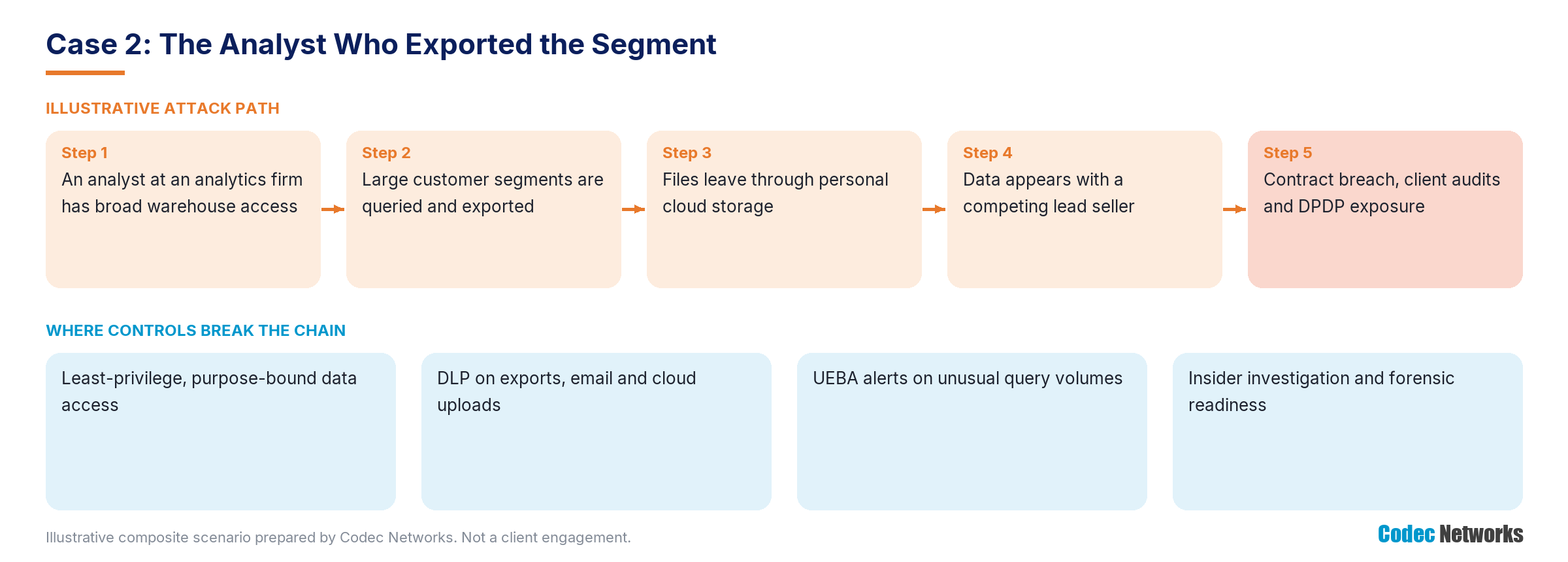
Figure 9: Illustrative attack path for Case Study 2 and the controls that break it.
What went wrong
- Access was not purpose-bound or recertified.
- Exports and uploads were not monitored.
- Sandbox data was not masked.
- Offboarding did not review data activity.
The impact
Firm B faced contract termination, client audits, legal action and potential DPDP exposure.
The regulatory lens
- Client contracts and RBI outsourcing flow-down: confidentiality, security and audit rights.
- DPDP Act and Rules: safeguards and breach intimation once provisions commence.
- CERT-In Directions: data leaks reported within six hours.
How Codec Networks would help
|
Need |
Codec Networks response |
Bundle |
|
Limit access |
Purpose-bound access review and recertification |
B6 |
|
Watch exports |
DLP and UEBA monitoring |
B7 |
|
Investigate |
Insider forensics and evidence handling |
B8 |
|
Key lessons Tie access to purpose and time. Monitor exports and uploads. Mask data in sandboxes. Review data activity at exit. |
Case Study 3: The Repayment File That Rewrote Histories
The file passed every format check. The data inside it was false.
|
At a glance |
|
|
Organisation |
A lender (“Lender C”) reporting to several bureaus |
|
Threat |
A collusive employee editing repayment status in a credit data file before upload |
|
Why it is new |
Integrity attacks corrupt decisions across the whole lending system |
|
Codec Networks services |
Data integrity assessment, IS audit, anomaly monitoring (Bundles B2, B4, B7) |
The scenario
An employee in Lender C's reporting team, paid by a fraud ring, edited the fortnightly credit data file to mark selected defaults as closed.
The file passed format validation at the bureaus and updated credit histories.
The borrowers obtained new loans elsewhere on clean records and defaulted again. Reconciliation months later exposed the changes.
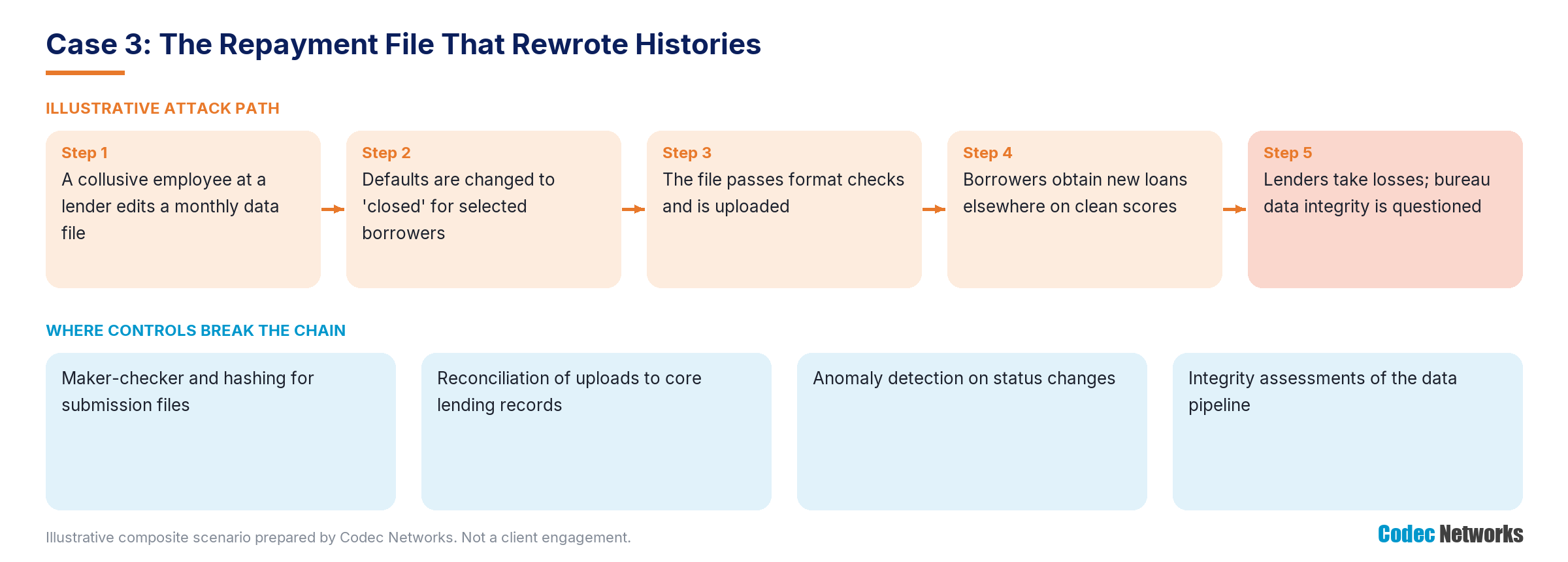
Figure 10: Illustrative attack path for Case Study 3 and the controls that break it.
What went wrong
- No maker-checker or hashing on submission files.
- Uploads were not reconciled to core lending records.
- Unusual status changes were not flagged.
- Reporting staff had unsupervised edit access.
The impact
Several lenders suffered losses, Lender C faced regulatory scrutiny, and bureaus had to correct histories and review integrity controls.
The regulatory lens
- CICRA: obligations on accuracy and completeness of credit information.
- RBI Directions: governance of credit information reporting and IT controls.
- Law enforcement: fraud investigation and evidence requirements.
How Codec Networks would help
|
Need |
Codec Networks response |
Bundle |
|
Secure the file |
Integrity controls, hashing and maker-checker review |
B2 |
|
Audit the process |
IS audit of reporting and reconciliation |
B4 |
|
Flag anomalies |
Monitoring of status changes and edits |
B7 |
|
Key lessons Sign or hash every submission. Reconcile uploads to source systems. Flag unusual status changes. Separate preparation from approval. |
Case Study 4: The KYC Records in the Test Bucket
The test environment was never meant to hold real data.
|
At a glance |
|
|
Organisation |
A data processor (“Processor D”) running KYC verification for several clients |
|
Threat |
Production KYC records copied to a publicly readable test storage bucket |
|
Why it is new |
Non-production copies often escape production controls |
|
Codec Networks services |
Cloud review, leakage assessment, incident response (Bundles B3, B6, B8) |
The scenario
To debug a matching issue, developers copied a sample of production KYC records—including identity document images—into a test storage bucket.
The bucket's access policy allowed public reads. Search engines indexed some files.
A security researcher reported the exposure publicly, and clients demanded answers within hours.
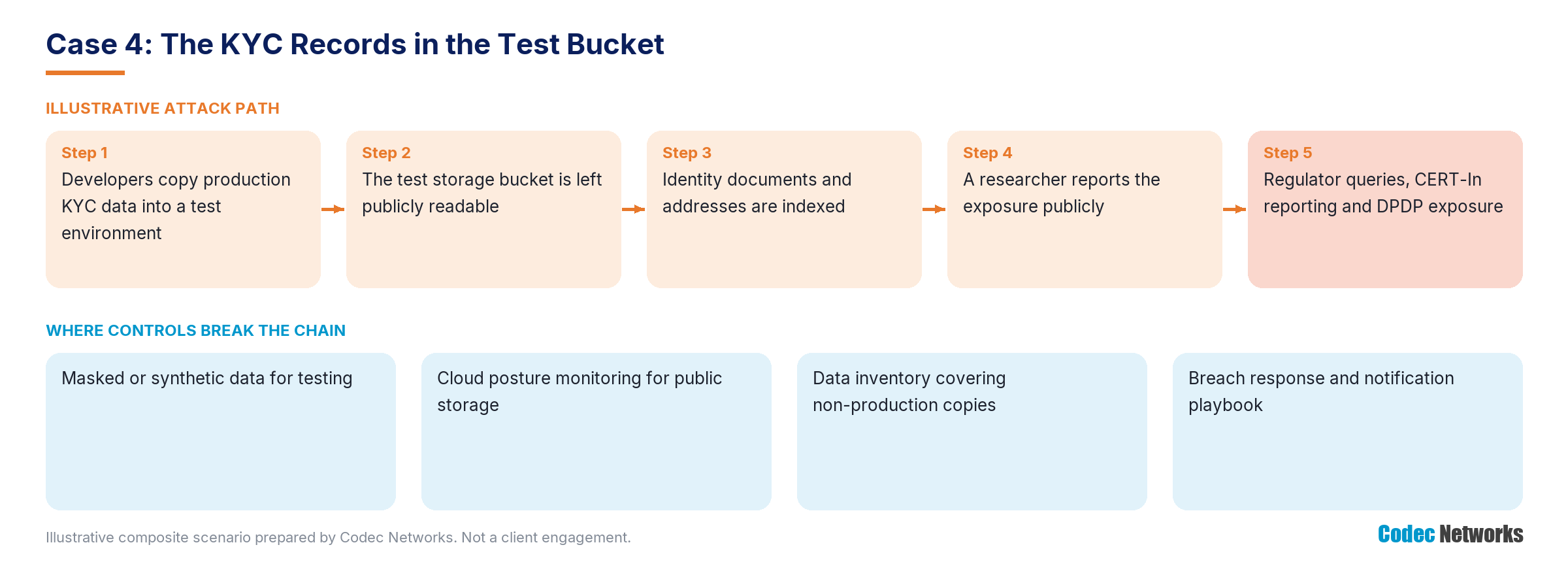
Figure 11: Illustrative attack path for Case Study 4 and the controls that break it.
What went wrong
- Production data was used for testing.
- No posture monitoring for public storage.
- The data inventory ignored non-production copies.
- No breach playbook for client notifications.
The impact
Processor D faced CERT-In reporting, client audits, contract penalties and DPDP exposure once breach provisions commence.
The regulatory lens
- CERT-In Directions: data leaks reported within six hours.
- DPDP Act and Rules: safeguards and breach intimation once provisions commence.
- Client contracts: security, notification and audit obligations.
How Codec Networks would help
|
Need |
Codec Networks response |
Bundle |
|
Fix the cloud |
Cloud review and posture monitoring |
B3 |
|
Find the copies |
Leakage assessment and data inventory |
B6 |
|
Respond fast |
IR retainer and notification support |
B8 |
|
Key lessons Use masked or synthetic test data. Monitor storage for public exposure. Inventory every data copy. Rehearse client notifications. |
Case Study 5: The Score Model Trained on Stolen Data
The model performed well. Nobody asked where its data came from.
|
At a glance |
|
|
Organisation |
A lender (“Lender E”) using an analytics vendor to build a credit model |
|
Threat |
Bureau data shared beyond its permitted purpose and later leaked by a vendor employee |
|
Why it is new |
Model development multiplies copies of sensitive data across organisations |
|
Codec Networks services |
Vendor assessment, privacy programme, AI governance (Bundles B9, B6, B11) |
The scenario
Lender E shared bureau-derived data with a vendor to build a new scoring model, without a clear purpose limitation or deletion clause.
The vendor stored the data on shared drives accessible to many staff.
A departing employee leaked the dataset. Lender E, the vendor and the bureau disputed who was accountable.
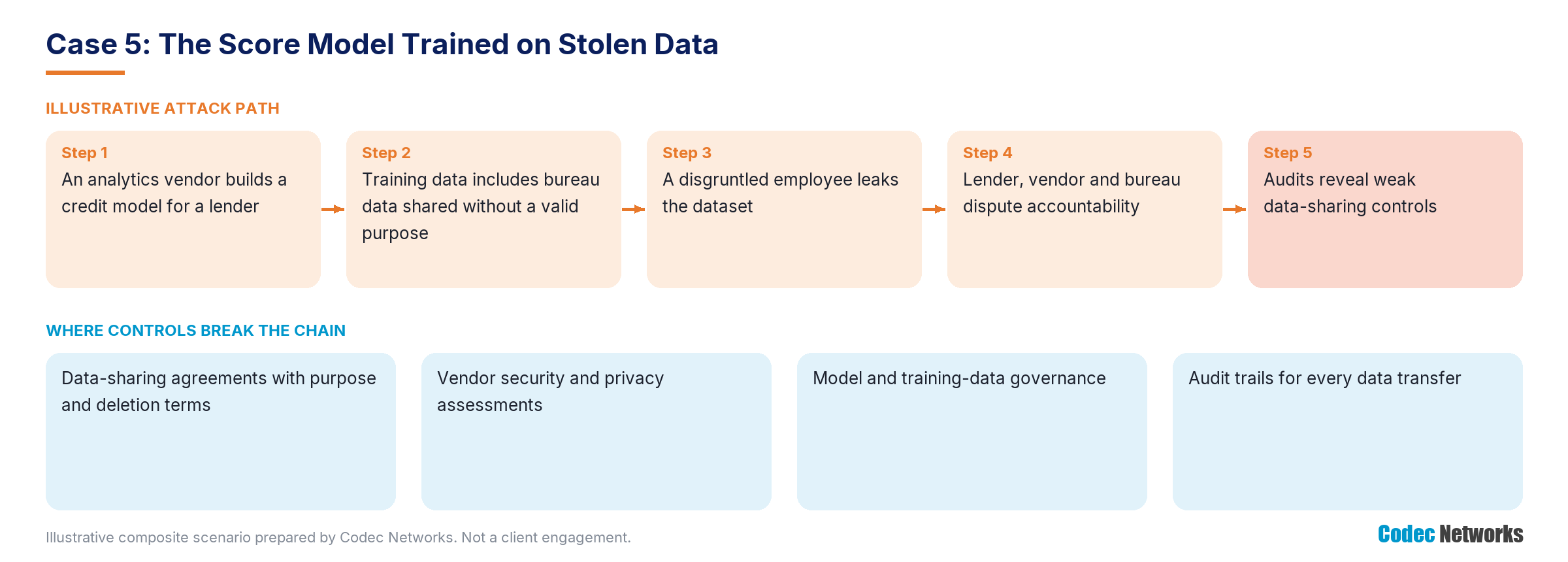
Figure 12: Illustrative attack path for Case Study 5 and the controls that break it.
What went wrong
- No data-sharing agreement defining purpose and deletion.
- The vendor was not assessed before receiving data.
- No audit trail of data transfers.
- Model and training-data governance was missing.
The impact
Lender E faced regulatory questions, a contract dispute and reputational harm; the bureau reviewed its member's onward-sharing practices.
The regulatory lens
- CICRA: credit information used only for permitted purposes.
- DPDP Act and Rules: purpose limitation, safeguards and breach intimation once provisions commence.
- RBI outsourcing expectations: oversight of vendors handling customer data.
How Codec Networks would help
|
Need |
Codec Networks response |
Bundle |
|
Assess the vendor |
Vendor security and privacy assessment |
B9 |
|
Control the sharing |
Data-sharing agreements and DPDPA review |
B6 |
|
Govern the model |
AI and model governance |
B11 |
|
Key lessons Define purpose and deletion before sharing. Assess vendors before they get data. Log every data transfer. Govern models and their training data. |
Talk to Codec Networks
|
Contact Codec Networks Pvt. Ltd. New Delhi: 507, 5th Floor, New Delhi House, Barakhamba Road, Connaught Place, New Delhi – 110001 Gurugram: 707, 7th Floor, Silverton Tower, Golf Course Extension Road, Sector 50, Gurugram – 122018, Haryana Landline: 011 430 496 96 | 011 437 522 99 Mobile: +91 99716 76124 | +91 88007 88220 | +91 88003 31124 Email: mktg@codecnetworks.com Web: www.codecnetworks.com |