

Resources Categories
INDUSTRY FACT FILE · EDUCATION, EDTECH & RESEARCH
Five New Case Studies in Education and Research Security
Original 2026 case studies, each written as a blog post, showing how current threats play out in universities, school chains, edtech platforms, examination bodies and research organisations and how Codec Networks services break the attack chain.
|
In this document 1. About these case studies 2. Case Study 1: The Admit Card API That Gave Everything Away 3. Case Study 2: The Student Who Became the Examiner 4. Case Study 3: The Grant Application That Opened the Lab 5. Case Study 4: The Ransomware That Arrived in Admissions Week 6. Case Study 5: The Learning App That Knew Too Much About Children |
About these case studies
These five case studies were written for this document set and have not been published elsewhere. Each is a composite scenario combining attack techniques and control failures widely observed in education with the obligations that apply in India as of October 2026—in particular CERT-In's Directions and audit guidelines, the DPDP Act and Rules including the children's-data provisions, the Public Examinations (Prevention of Unfair Means) Act, regulator and board expectations and SEBI disclosure for listed companies.
|
Important disclosure The organisations described are fictional and the scenarios are illustrative. They are not accounts of real incidents, and they are not Codec Networks client engagements or claims of achieved outcomes. Their value lies in showing how connected weaknesses form an attack chain, which controls break it, and which services test those controls. |
|
Case study |
Organisation type |
Core threat |
Regulatory lens |
Primary bundles |
|
1. The Admit Card API That Gave Everything Away |
Examination and testing agency |
Candidate-data leak through an insecure API |
CERT-In; DPDP; Public Examinations Act |
B2, B7, B6 |
|
2. The Student Who Became the Examiner |
Private university |
LMS exploitation and grade tampering |
UGC and university rules; CERT-In |
B1, B2, B7 |
|
3. The Grant Application That Opened the Lab |
Research institute |
Spear phishing leading to research data theft |
Sponsor agreements; CERT-In; DPDP |
B10, B3, B7 |
|
4. The Ransomware That Arrived in Admissions Week |
School chain |
Ransomware through a vendor account during admissions |
DPDP children's data; CERT-In; boards |
B9, B3, B7 |
|
5. The Learning App That Knew Too Much About Children |
K-12 edtech platform |
Children's data exposure and unlawful tracking |
DPDP children's provisions; CERT-In; customers |
B6, B3, B9 |
Case Study 1: The Admit Card API That Gave Everything Away
The portal never went down. It simply answered every question anyone asked it.
|
At a glance |
|
|
Organisation |
A testing agency (“Testco A”) running entrance examinations for lakhs of candidates through a vendor-built portal |
|
Threat |
An admit-card API returning candidate records by sequential identifier without checking who was asking |
|
Why it is new |
Examination portals now carry identity data at national scale and are exposed for months before each cycle |
|
Codec Networks services |
Portal and API testing, managed SOC, DPDP programme (Bundles B2, B7, B6) |
The scenario
Testco A's portal let candidates download admit cards through an API that took a numeric candidate ID. Anyone who changed the number received another candidate's name, photograph, roll number, examination centre and mobile number.
A scraper harvested the records over a week. The data was offered on a forum and used to send candidates fake 'result released' messages linking to pages that stole payment details.
Testco A learned of the leak from journalists two days before results. It had no API monitoring, no rate limits, and no playbook for warning candidates while reporting to CERT-In.
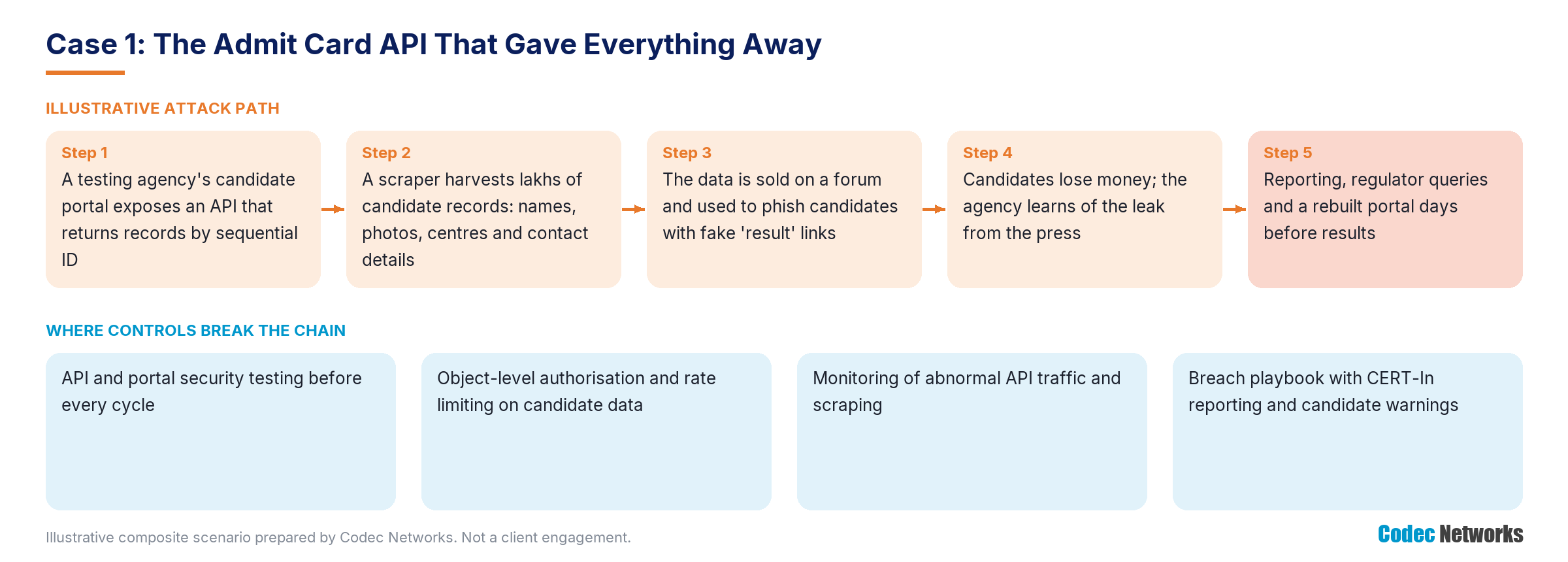
Figure 8: Illustrative attack path for Case Study 1 and the controls that break it.
What went wrong
- No object-level authorisation on the admit-card API.
- No rate limiting or scraping detection on a portal serving lakhs of users.
- Candidate data retained from previous cycles on the same endpoint.
- No breach playbook covering candidates, press, CERT-In and the examination schedule.
The impact
Candidates lost money to fraud, Testco A reported the incident, faced regulator and parliamentary questions, rebuilt the portal days before results and became a case study for the examination reforms.
The regulatory lens
- CERT-In Directions: incident reported within six hours of noticing it; logs needed for the investigation.
- DPDP: candidate data exposed at scale; intimation to affected persons and the Data Protection Board once provisions commence.
- Public Examinations Act: service-provider obligations and the integrity of the examination process scrutinised.
How Codec Networks would help
|
Need |
Codec Networks response |
Bundle |
|
Test before every cycle |
Portal and API security testing with object-level authorisation and rate-limit checks |
B2 |
|
See the scraping |
Managed SOC with API traffic monitoring and surge coverage around results |
B7 |
|
Govern the data |
DPDP programme: retention limits, candidate notices and breach workflows |
B6 |
|
Key lessons Authorise every record, not just every login. Rate-limit and monitor public APIs. Delete candidate data you no longer need. Rehearse a leak before results day. |
Case Study 2: The Student Who Became the Examiner
The question bank was secure, in a system nobody had patched in fourteen months.
|
At a glance |
|
|
Organisation |
A private university (“Univco B”) with 30,000 students on a self-hosted learning management system |
|
Threat |
A student exploiting a known vulnerability in an unpatched LMS to obtain teacher rights, read question banks and alter grades |
|
Why it is new |
Learning platforms now hold examinations and grades, not just lecture notes |
|
Codec Networks services |
Campus and LMS assessment, platform testing, managed SOC (Bundles B1, B2, B7) |
The scenario
Univco B's LMS ran a version with a published critical vulnerability. A student found the advisory, exploited it and promoted their own account to a teaching role.
Over two semesters the student read unpublished question banks, sold them to classmates and quietly raised grades for a small group. Role changes were not alerted and audit logs were partly disabled for performance.
An external examiner noticed a mismatch during moderation. The inquiry could not establish the full extent of tampering because logs were incomplete, and the university re-ran examinations for three courses.
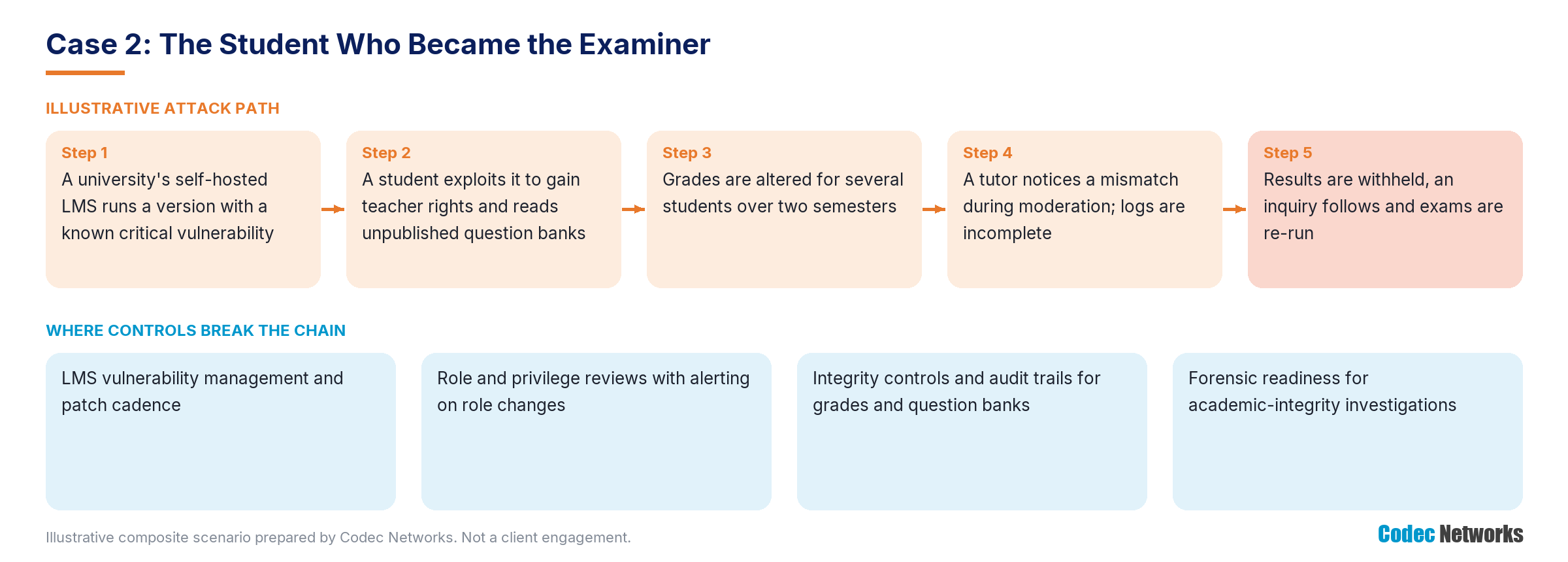
Figure 9: Illustrative attack path for Case Study 2 and the controls that break it.
What went wrong
- LMS unpatched for more than a year despite public advisories.
- No alerting on role changes or privilege escalation.
- Audit logging reduced and not retained for 180 days.
- No integrity controls separating question banks from teaching roles.
The impact
Univco B withheld results, re-ran examinations, faced student litigation and regulator queries, and reported the incident to CERT-In.
The regulatory lens
- UGC and university regulations: examination conduct and record integrity questioned.
- CERT-In Directions: incident reported within six hours; 180-day logs expected but unavailable.
- DPDP: student records accessed without authority.
How Codec Networks would help
|
Need |
Codec Networks response |
Bundle |
|
Find the exposure |
Campus and LMS assessment with vulnerability management and patch validation |
B1 |
|
Harden the platform |
LMS and examination-module testing, role and integrity controls |
B2 |
|
Watch for escalation |
Managed SOC alerting on role changes, bulk access and log tampering |
B7 |
|
Key lessons Patch learning platforms on a schedule. Alert on every role change. Keep full audit logs for 180 days. Separate question banks from teaching roles. |
Case Study 3: The Grant Application That Opened the Lab
The email came from the funding agency. Almost.
|
At a glance |
|
|
Organisation |
A research institute (“Resco C”) working on materials science with industry and foreign sponsors |
|
Threat |
A phished professor's account and a shared VPN credential giving persistent attackers months of access to research data sets and a draft patent |
|
Why it is new |
Research is a strategic target and faculty accounts are the weakest door |
|
Codec Networks services |
Awareness, segmentation and identity, threat hunting (Bundles B10, B3, B7) |
The scenario
A professor received an email styled as a grant-portal notification and entered credentials on a cloned page. The account had no MFA and the lab's VPN used a password shared among twelve researchers.
Attackers logged in during normal hours, mapped the lab's file shares and HPC storage and copied data sets, instrument outputs and a draft patent over four months. Transfers were small and nightly; nobody was monitoring.
A near-identical paper appeared at a conference abroad before Resco C's own submission. A sponsor asked for an investigation and froze the next tranche of funding.
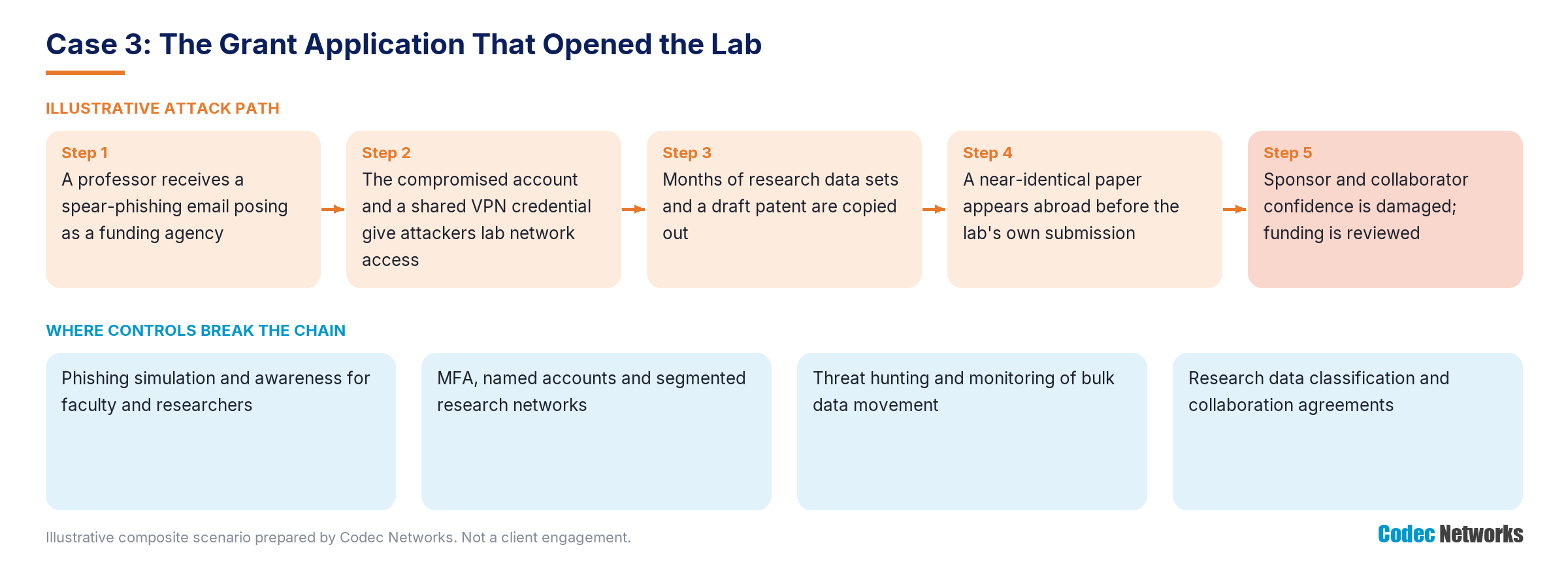
Figure 10: Illustrative attack path for Case Study 3 and the controls that break it.
What went wrong
- No MFA on faculty accounts or the lab VPN.
- Shared VPN credential across researchers.
- Research data unclassified and on the general campus network.
- No monitoring of bulk or recurring data transfers.
The impact
Resco C lost the priority of its research, faced sponsor and collaborator reviews, reported the incident and rebuilt its research-data governance.
The regulatory lens
- Sponsor and collaboration agreements: confidentiality and notification clauses invoked.
- CERT-In Directions: incident reported within six hours.
- DPDP: researcher and participant personal data within the stolen sets.
How Codec Networks would help
|
Need |
Codec Networks response |
Bundle |
|
Train the targets |
Phishing simulation and awareness for faculty and researchers |
B10 |
|
Close the doors |
MFA, named accounts, segmented lab and HPC networks |
B3 |
|
Hunt the intruder |
Threat hunting and monitoring of bulk and recurring transfers |
B7 |
|
Key lessons Put MFA on every faculty account. Never share VPN credentials. Segment and classify research data. Monitor data leaving the lab, not just coming in. |
Case Study 4: The Ransomware That Arrived in Admissions Week
Twelve schools, one ERP, one phished vendor engineer, one very long week.
|
At a glance |
|
|
Organisation |
A school chain (“Schoolco D”) running twelve schools on a single vendor-managed ERP |
|
Threat |
A phished ERP vendor engineer's standing administrative access used to deploy ransomware across the student information system, fee records and backups |
|
Why it is new |
School chains concentrate children's data and operations in one vendor-run system |
|
Codec Networks services |
Vendor access programme, segmentation and backups, managed SOC (Bundles B9, B3, B7) |
The scenario
Schoolco D's ERP vendor held a permanent administrative login shared by its support team. One engineer was phished in the week admissions opened.
Attackers used the login to reach the ERP servers, disabled the backup agent and encrypted the student information system, fee ledgers and transport rosters. Parents then received extortion emails quoting their children's names and classes.
Admissions, fee collection and bus operations stopped across twelve schools. The chain ran on paper for three weeks, reported to CERT-In, briefed its board and parents, and rebuilt from partial exports.
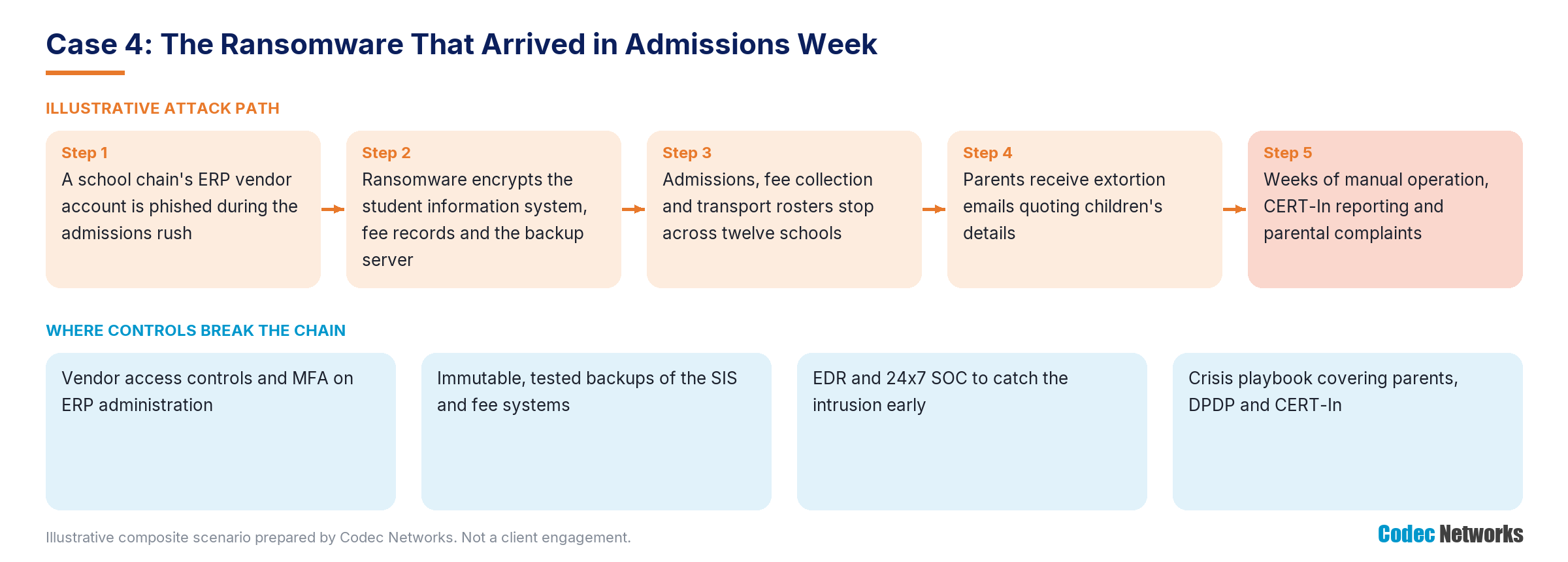
Figure 11: Illustrative attack path for Case Study 4 and the controls that break it.
What went wrong
- Standing vendor administrative access with a shared account and no MFA.
- Backups on the same servers and credentials as the ERP.
- No EDR or monitoring on ERP servers.
- No crisis plan for parents, children's data and admissions.
The impact
Schoolco D lost admissions, faced parental complaints and board scrutiny, incurred recovery costs and committed to a DPDP programme ahead of the 2027 deadline.
The regulatory lens
- DPDP: children's and parents' data compromised; intimation duties once provisions commence; parental consent records affected.
- CERT-In Directions: incident reported within six hours.
- Board affiliation: continuity of records and examinations questioned by the affiliating board.
How Codec Networks would help
|
Need |
Codec Networks response |
Bundle |
|
Control the vendor |
Vendor assessment, brokered time-bound access with MFA and recording |
B9 |
|
Separate and recover |
Segmentation, immutable backups and tested restores for the SIS |
B3 |
|
Detect early |
EDR and managed SOC covering ERP servers and vendor sessions |
B7 |
|
Key lessons Broker vendor access; never share admin logins. Keep backups immutable and off the ERP credentials. Monitor ERP servers around the clock. Plan how you speak to parents before you need to. |
Case Study 5: The Learning App That Knew Too Much About Children
The app worked beautifully for children. It also worked beautifully for advertisers.
|
At a glance |
|
|
Organisation |
A K-12 learning platform (“Learnco E”) selling apps to parents and schools |
|
Threat |
Third-party analytics and advertising SDKs profiling children, and a public cloud bucket exposing profiles, locations and chat logs |
|
Why it is new |
DPDP bars tracking and targeted advertising aimed at children and requires verifiable parental consent |
|
Codec Networks services |
DPDP programme, cloud posture, vendor and SDK risk (Bundles B6, B3, B9) |
The scenario
Learnco E's app embedded several analytics and advertising SDKs that collected device identifiers, location and in-app behaviour from children, and consent was a single tick box on sign-up.
A cloud bucket used for support exports was left publicly readable. A researcher found profiles, school names, locations and chat logs for lakhs of children and published the finding after Learnco E did not respond.
Parents, schools and the press demanded answers. Two school chains suspended contracts, an investor paused a funding round pending a privacy audit and the platform rebuilt its consent and data flows.
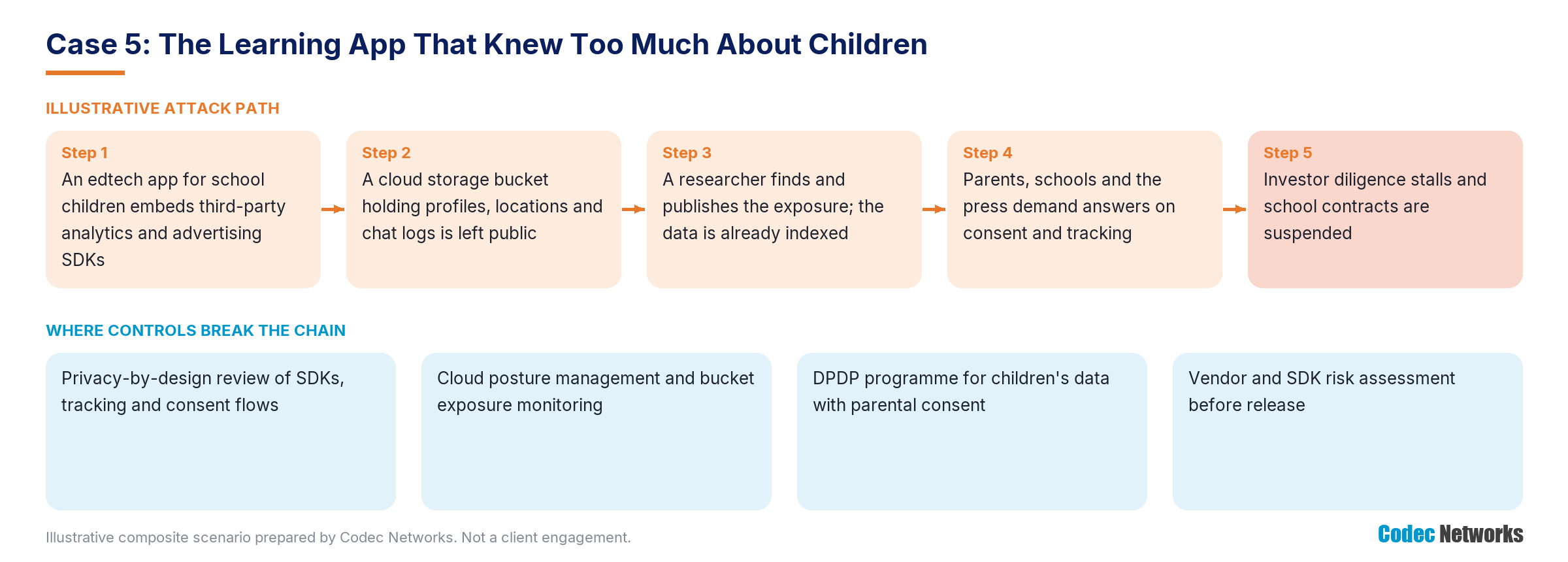
Figure 12: Illustrative attack path for Case Study 5 and the controls that break it.
What went wrong
- SDKs tracking children with no privacy review.
- Consent not verifiable and not from parents.
- Public cloud bucket with no exposure monitoring.
- No vendor or SDK risk assessment before release.
The impact
Learnco E lost customers and funding momentum, reported the incident and rebuilt its product around privacy by design.
The regulatory lens
- DPDP: children's data processed without verifiable parental consent; tracking and targeted advertising barred; breach intimation once provisions commence.
- CERT-In Directions: incident reported within six hours.
- School contracts and investors: security and privacy evidence demanded before reinstatement.
How Codec Networks would help
|
Need |
Codec Networks response |
Bundle |
|
Fix the lawful basis |
DPDP programme: parental verification, consent design, data minimisation |
B6 |
|
Harden the cloud |
Cloud posture management and exposure monitoring |
B3 |
|
Assess what you embed |
Vendor and SDK risk assessment before every release |
B9 |
|
Key lessons Know what every SDK collects from children. Make parental consent verifiable. Monitor cloud storage for exposure. Treat privacy as a product feature. |
Talk to Codec Networks
|
Contact Codec Networks Pvt. Ltd. New Delhi: 507, 5th Floor, New Delhi House, Barakhamba Road, Connaught Place, New Delhi – 110001 Gurugram: 707, 7th Floor, Silverton Tower, Golf Course Extension Road, Sector 50, Gurugram – 122018, Haryana Landline: 011 430 496 96 | 011 437 522 99 Mobile: +91 99716 76124 | +91 88007 88220 | +91 88003 31124 Email: mktg@codecnetworks.com Web: www.codecnetworks.com |