

Resources Categories

INDUSTRY FACT FILE · INSURANCE INTERMEDIARIES
Main Products and Services of Insurance Intermediaries and Insurtechs
What intermediaries and digital insurance platforms offer, the systems behind each service and where those systems create cybersecurity and compliance exposure.
|
In this document 1. How intermediaries earn their money 2. Services by intermediary type 3. Distribution and onboarding 4. Claims administration and servicing 5. The systems behind the services 6. Trends that change the attack surface 7. Mapping services to Codec Networks engagements |
1. How intermediaries earn their money
|
Revenue stream |
How it works |
Security relevance |
|
Commission and remuneration |
Paid by insurers for policies distributed |
Accurate issuance and policy data shared with insurers |
|
Broking and advisory fees |
Fees for risk advice, placement and claims support for businesses |
Confidential corporate risk data |
|
Lead and display fees |
Web aggregators are paid for leads and services under IRDAI rules |
Lead and comparison data must be protected |
|
Administration fees |
TPAs are paid by insurers to administer health claims |
Claims and medical data, time-critical services |
|
Platform and technology fees |
Insurtechs earn from distribution, embedded insurance and software |
APIs and cloud platforms carry customer data |
2. Services by intermediary type
|
Intermediary type |
Main services |
Data they handle |
|
Insurance brokers |
Risk advice, placement, renewals, claims assistance, reinsurance broking |
Corporate risk details, employee and group-health data, premiums |
|
Corporate agents |
Distribution of partner insurers' policies to their customers |
Customer KYC, bank and loan data, proposals |
|
Web aggregators |
Comparison, quotes, leads and assisted purchase |
Contact details, quote histories, vehicle and health information |
|
TPAs |
Cashless authorisation, claims processing, hospital network management |
Medical records, bills, diagnoses, bank details |
|
Insurance repositories |
Electronic insurance accounts and e-policy storage |
Policyholder identity and policy details across insurers |
|
Digital insurance platforms |
App-based purchase, embedded insurance, servicing and claims tools |
Identity, payment, device and usage data |
3. Distribution and onboarding
Customers arrive through websites, apps, bank branches, call centres and distributor networks. Onboarding involves e-KYC, proposal forms, medical declarations and payment—often through APIs that pass data directly to the insurer for underwriting and issuance.
4. Claims administration and servicing
TPAs authorise cashless treatment and process reimbursement claims, exchanging documents with hospitals and insurers. Brokers support corporate clients through claims. Repositories and platforms help customers view and service policies—making account security and change controls critical.
|
Highest-risk moments Bulk API queries, premium and bank-detail changes, claim document uploads and distributor logins are where cyber attacks and fraud converge. Testing these flows end to end prevents the most damaging incidents. |
5. The systems behind the services
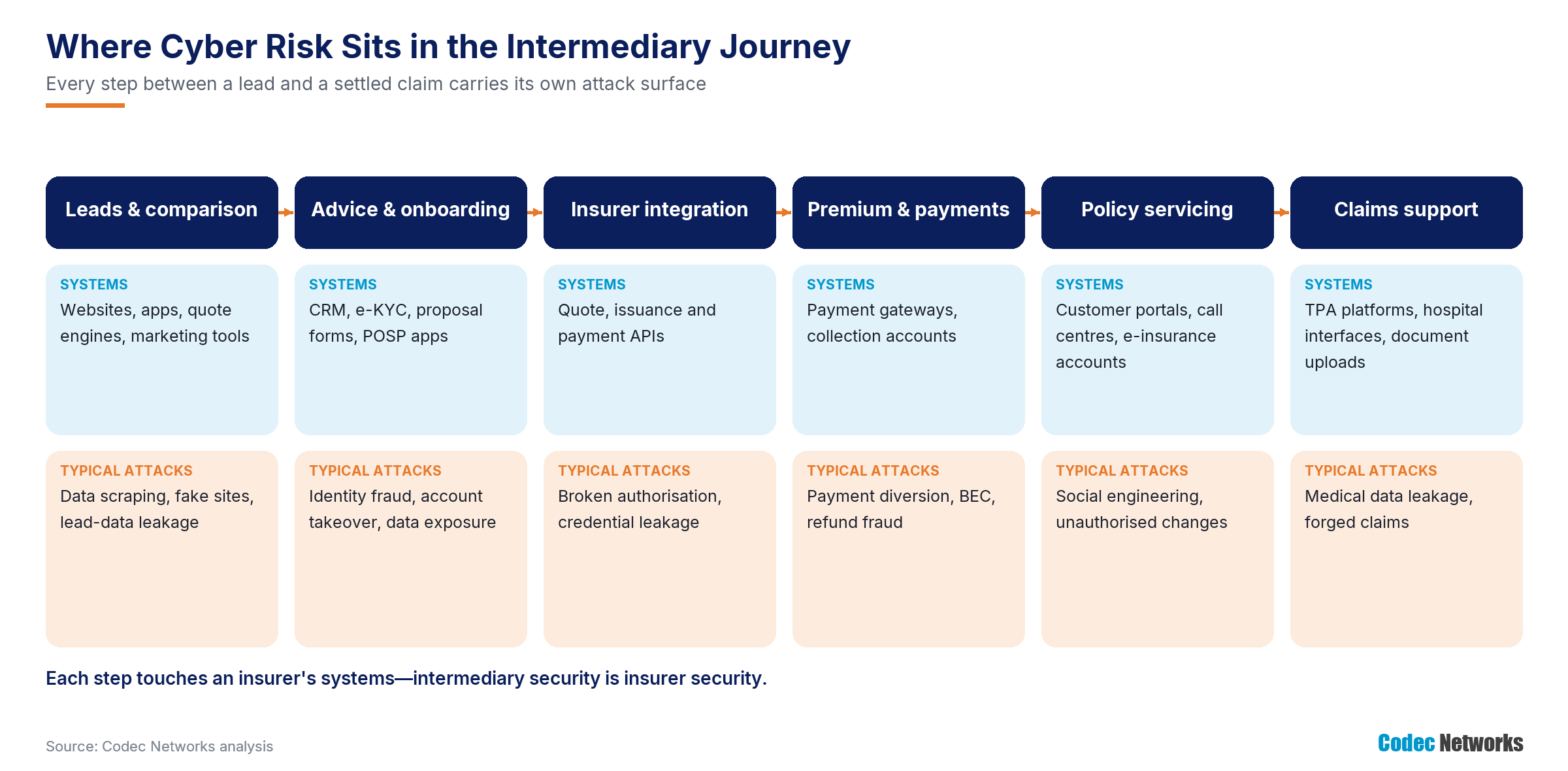
Figure 2: Where cyber risk sits in the intermediary journey.
|
Service |
Systems that deliver it |
Key cyber and compliance touchpoints |
|
Comparison and quotes |
Websites, apps, quote engines, insurer APIs |
API security, scraping controls, external PT |
|
Onboarding and issuance |
CRM, e-KYC, proposal and payment systems |
Identity verification, data minimisation, payment security |
|
Corporate broking |
Client portals, email, document management |
BEC controls, access management, encryption |
|
Health claims administration |
TPA claims platforms, hospital portals |
Claims platform testing, health data protection, ransomware resilience |
|
Policy storage and servicing |
Repository systems, customer portals |
Authentication, change controls, monitoring |
|
Distributor management |
POSP and agent portals, training platforms |
MFA, device controls, download monitoring |
6. Trends that change the attack surface
|
Trend |
What is changing |
Security implication |
|
Embedded insurance |
Cover sold inside travel, lending, e-commerce and mobility apps |
Third-party platforms handle insurance data |
|
API-first integration |
Real-time quotes, issuance and claims across many insurers |
Authorisation flaws can expose every customer |
|
Electronic policies and accounts |
Policies held and serviced digitally |
Account security and data integrity become critical |
|
Digital claims |
Documents uploaded and assessed online |
Forgery and medical data leakage risks rise |
|
AI assistants |
Chatbots answer policy and claims queries |
Prompt injection and data-leakage risks |
7. Mapping services to Codec Networks engagements
|
If the intermediary offers… |
Recommended starting engagement |
|
Comparison or online sales |
API security testing, external PT, scraping and abuse controls |
|
Corporate broking |
Email and BEC controls, finance-process testing, cyber audit |
|
Health claims administration |
Claims platform testing, SOC, ransomware resilience |
|
Bank or NBFC distribution |
Integration and access reviews, insider monitoring |
|
Embedded or app-based insurance |
Mobile and API testing, cloud review, AI security testing |
Talk to Codec Networks
|
Contact Codec Networks Pvt. Ltd. New Delhi: 507, 5th Floor, New Delhi House, Barakhamba Road, Connaught Place, New Delhi – 110001 Gurugram: 707, 7th Floor, Silverton Tower, Golf Course Extension Road, Sector 50, Gurugram – 122018, Haryana Landline: 011 430 496 96 | 011 437 522 99 Mobile: +91 99716 76124 | +91 88007 88220 | +91 88003 31124 Email: mktg@codecnetworks.com Web: www.codecnetworks.com |
Note: Descriptions are general and based on public information available as of October 2026. Intermediary activities and remuneration are governed by IRDAI regulations for each registration category.