

Resources Categories
INDUSTRY FACT FILE · ITES, BPO, KPO & GCCS
Five New Case Studies in ITeS and GCC Security
Original 2026 case studies, each written as a blog post, showing how current threats play out in service centres and how Codec Networks services break the attack chain.
|
In this document 1. About these case studies 2. Case Study 1: The Agent Who Sold Screenshots 3. Case Study 2: The Help Desk That Reset the Wrong MFA 4. Case Study 3: The Vendor Master Change in Shared Services 5. Case Study 4: The Home Laptop That Kept Customer Files 6. Case Study 5: The GCC Account That Reached Headquarters |
About these case studies
These five case studies were written for this document set and have not been published elsewhere. Each is a composite scenario combining attack techniques and control failures widely observed in ITeS, BPO, KPO and GCC operations with the obligations that apply in India as of October 2026—in particular CERT-In's Directions, the DPDP framework, PCI DSS and client regulators' outsourcing requirements.
|
Important disclosure The organisations described are fictional and the scenarios are illustrative. They are not accounts of real incidents, and they are not Codec Networks client engagements or claims of achieved outcomes. Their value lies in showing how connected weaknesses form an attack chain, which controls break it, and which services test those controls. |
|
Case study |
Centre type |
Core threat |
Regulatory lens |
Primary bundles |
|
1. The Agent Who Sold Screenshots |
Contact centre |
Insider data theft and bribery |
CERT-In; DPDP; client contracts |
B6, B7, B8 |
|
2. The Help Desk That Reset the Wrong MFA |
BPO with internal IT help desk |
Help-desk social engineering |
CERT-In; client contracts |
B3, B10, B7 |
|
3. The Vendor Master Change in Shared Services |
Shared service centre |
BEC and vendor-master fraud |
Group policies; CERT-In |
B10, B4, B7 |
|
4. The Home Laptop That Kept Customer Files |
BPO with work-from-home teams |
Unmanaged remote devices and local data |
CERT-In; DPDP; HIPAA via client |
B3, B6, B8 |
|
5. The GCC Account That Reached Headquarters |
Global capability centre |
Privileged access into parent systems |
CERT-In; parent and home-country rules |
B3, B7, B8 |
Case Study 1: The Agent Who Sold Screenshots
The data never left the network. It left on a phone.
|
At a glance |
|
|
Organisation |
A contact centre (“Centre A”) supporting a bank's credit-card customers |
|
Threat |
Agents recruited online to photograph customer records with personal phones |
|
Why it is new |
Bribery bypasses technical controls entirely |
|
Codec Networks services |
Masking and access review, UEBA, insider investigation (Bundles B6, B7, B8) |
The scenario
A criminal group advertised 'easy extra income' to contact-centre agents on social media and messaging apps.
Several agents at Centre A began photographing customer records—names, card details and recent transactions—on their personal phones.
The data was used for convincing impersonation calls. The bank noticed fraud cases clustering around customers served by one site.
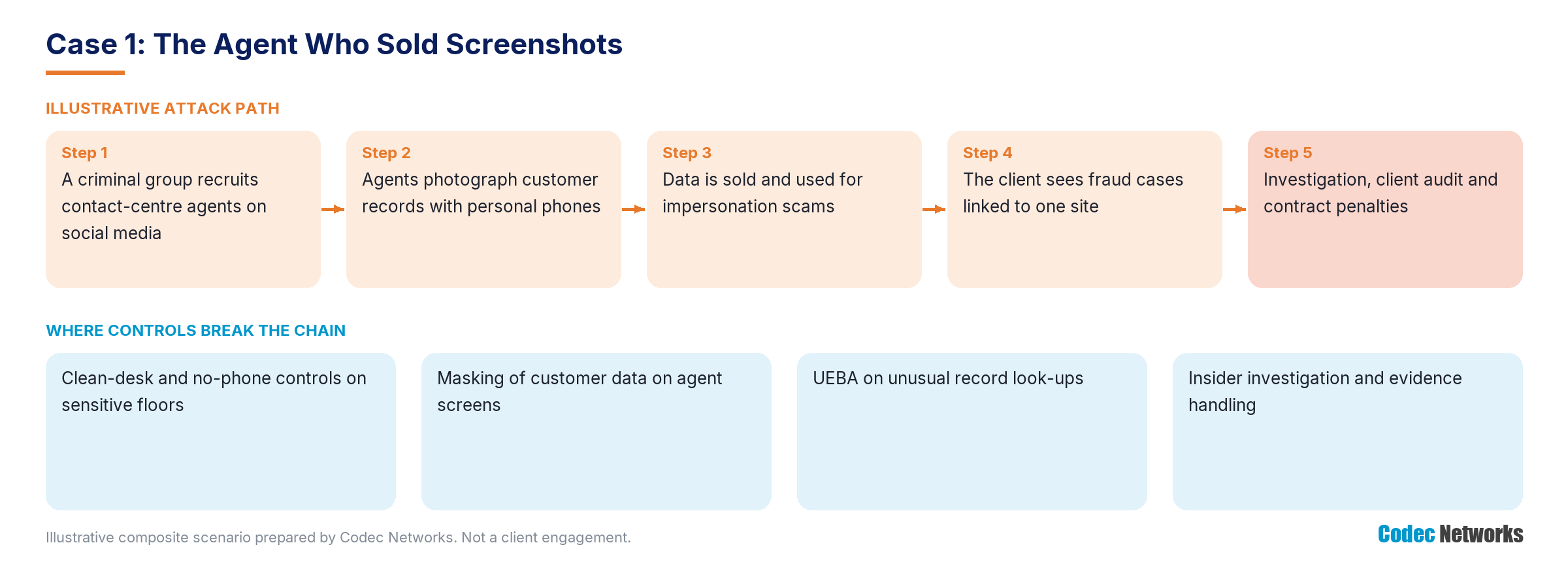
Figure 8: Illustrative attack path for Case Study 1 and the controls that break it.
What went wrong
- Full customer data was shown on every screen.
- Phones were allowed on the floor.
- Unusual look-ups were not monitored.
- No insider threat programme existed.
The impact
Centre A faced a client investigation, contract penalties, reporting obligations and the risk of losing the account.
The regulatory lens
- CERT-In Directions: incidents reported within six hours.
- Client regulator rules: the bank must oversee its service provider and may report the incident.
- DPDP Act and Rules: safeguards and breach intimation by the client once provisions commence.
- PCI DSS: protection of card data viewed by agents.
How Codec Networks would help
|
Need |
Codec Networks response |
Bundle |
|
Show less |
Masking and least-privilege review |
B6 |
|
Spot the pattern |
UEBA on unusual look-ups |
B7 |
|
Investigate |
Forensic insider investigation |
B8 |
|
Key lessons Mask what agents don't need. Keep phones off sensitive floors. Monitor look-up patterns. Run an insider threat programme. |
Case Study 2: The Help Desk That Reset the Wrong MFA
He sounded like the operations head. He knew the right names.
|
At a glance |
|
|
Organisation |
A BPO (“BPO B”) whose staff access several clients' systems |
|
Threat |
A caller impersonating a manager obtained a password and MFA reset |
|
Why it is new |
Help-desk impersonation is a leading route to account takeover |
|
Codec Networks services |
Help-desk control testing, simulations, identity monitoring (Bundles B3, B10, B7) |
The scenario
A caller claiming to be a senior operations manager rang BPO B's IT help desk, citing a lost phone and an urgent client escalation.
Using details gathered from social media, the caller passed weak verification questions. The agent reset both the password and MFA.
The attacker logged in, reached client systems, stole data and deployed ransomware.
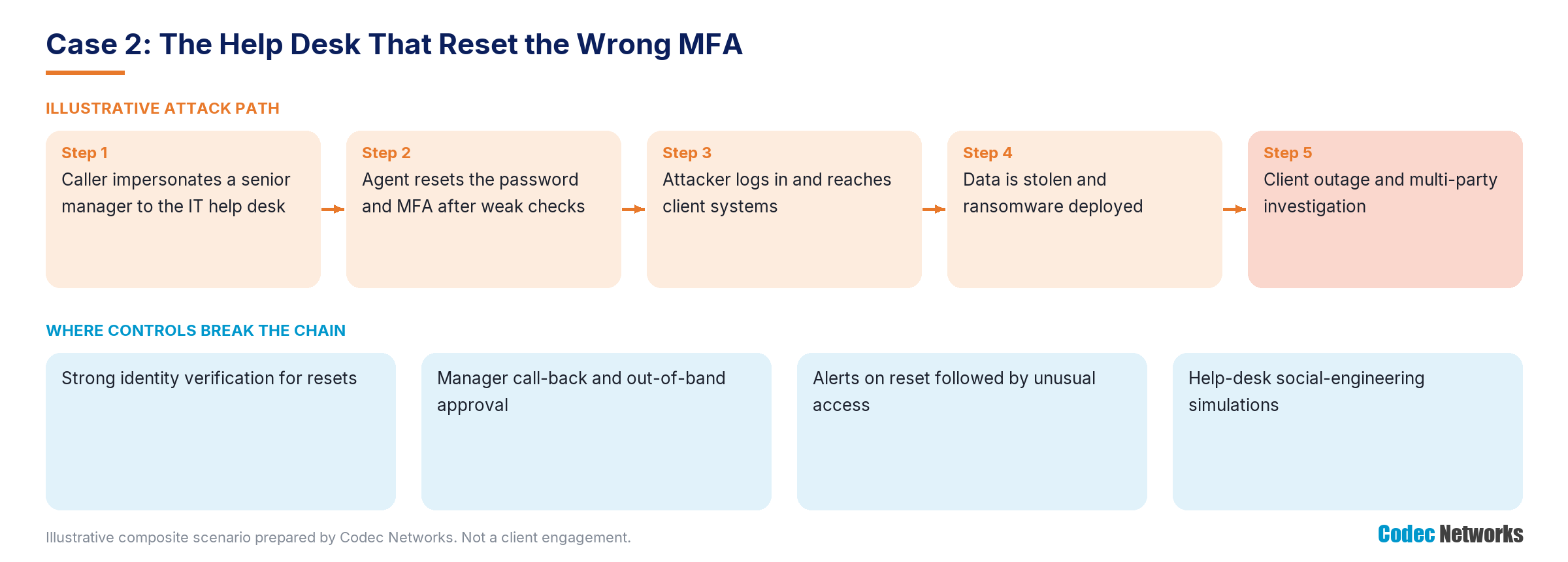
Figure 9: Illustrative attack path for Case Study 2 and the controls that break it.
What went wrong
- Verification relied on public information.
- MFA resets needed no out-of-band approval.
- Resets followed by unusual access raised no alert.
- Help-desk staff had never been tested.
The impact
Several clients were affected; BPO B faced outages, multi-party investigations and contract claims.
The regulatory lens
- CERT-In Directions: incidents reported within six hours.
- Client contracts: access control and notification obligations.
- Client regulators: regulated clients may report provider-caused incidents.
How Codec Networks would help
|
Need |
Codec Networks response |
Bundle |
|
Harden resets |
Help-desk verification and approval controls |
B3 |
|
Test the desk |
Social-engineering simulations |
B10 |
|
Spot takeover |
Alerts on resets followed by unusual access |
B7 |
|
Key lessons Never verify with public facts. Approve MFA resets out of band. Watch what happens after a reset. Test your help desk regularly. |
Case Study 3: The Vendor Master Change in Shared Services
The letter was on the vendor's letterhead, from the vendor's real email address.
|
At a glance |
|
|
Organisation |
A shared service centre (“SSC C”) running accounts payable for a multinational group |
|
Threat |
A compromised vendor mailbox used to request a bank-detail change |
|
Why it is new |
Payment runs concentrate large sums in routine processes |
|
Codec Networks services |
BEC simulation, payment-control audit, SOC monitoring (Bundles B10, B4, B7) |
The scenario
Attackers compromised a supplier's email account and studied its invoicing with SSC C.
They sent a request to update bank details, with a convincing letter attached. An agent updated the vendor master the same day.
The next payment run sent a large sum to a mule account. The supplier complained of non-payment weeks later.
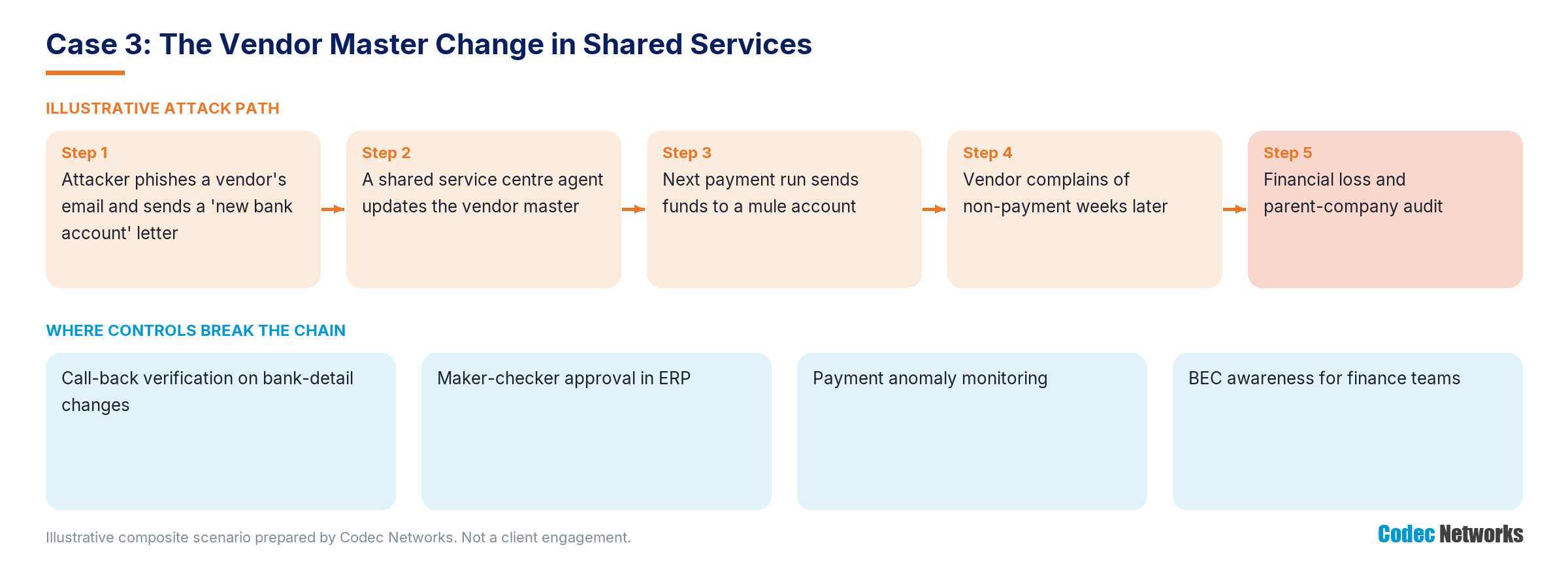
Figure 10: Illustrative attack path for Case Study 3 and the controls that break it.
What went wrong
- No call-back verification on a known number.
- No maker-checker approval for bank changes.
- Payment anomalies were not monitored.
- Finance staff had no BEC training.
The impact
The group suffered a financial loss and the parent company's audit committee ordered a review of SSC C's controls.
The regulatory lens
- Group financial controls: segregation of duties and approval requirements.
- CERT-In Directions: cyber incidents, including BEC-related compromise, reported within six hours where applicable.
- Law enforcement: prompt reporting improves recovery chances.
How Codec Networks would help
|
Need |
Codec Networks response |
Bundle |
|
Train finance |
BEC simulation and awareness |
B10 |
|
Audit the process |
Payment and vendor-master control audit |
B4 |
|
Spot anomalies |
Payment and mailbox monitoring |
B7 |
|
Key lessons Call back on a known number. Require maker-checker approval. Monitor unusual payments. Train finance teams on BEC. |
Case Study 4: The Home Laptop That Kept Customer Files
The files were saved 'just for today'. The laptop was stolen that night.
|
At a glance |
|
|
Organisation |
A BPO (“BPO D”) processing medical billing for an overseas healthcare client |
|
Threat |
Customer files saved locally on an unencrypted WFH laptop that was stolen |
|
Why it is new |
Remote delivery moves data outside controlled facilities |
|
Codec Networks services |
WFH and VDI assessment, DLP, incident response (Bundles B3, B6, B8) |
The scenario
BPO D moved a billing team to work from home on lightly managed laptops.
To work around slow connectivity, agents saved patient files locally. One laptop, without disk encryption, was stolen from a car.
BPO D had to determine what data was on the device, notify the client and report the incident.
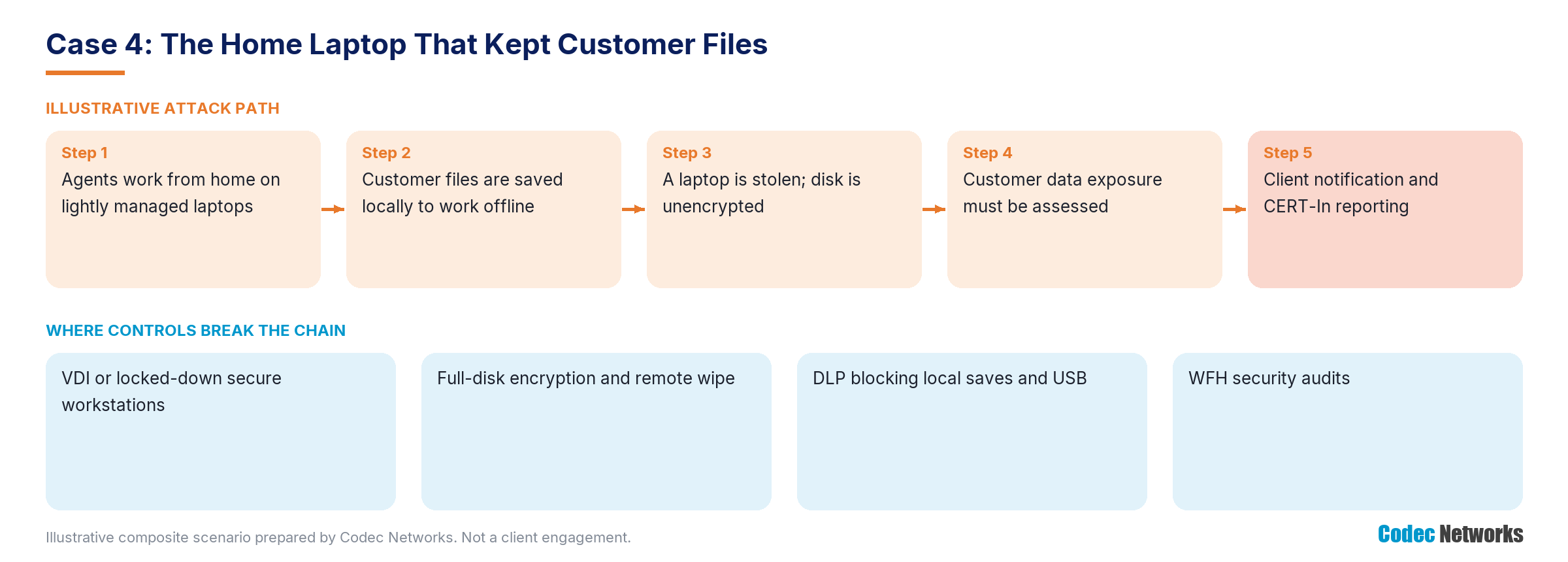
Figure 11: Illustrative attack path for Case Study 4 and the controls that break it.
What went wrong
- No VDI or locked-down devices.
- Disk encryption was not enforced.
- DLP did not block local saves.
- WFH setups were never audited.
The impact
BPO D faced client notification duties under the client's HIPAA obligations, CERT-In reporting and a demand for remediation.
The regulatory lens
- CERT-In Directions: incidents reported within six hours.
- Client obligations: HIPAA breach rules for the US healthcare client, applied through contract.
- DPDP Act and Rules: safeguards for personal data once provisions commence.
How Codec Networks would help
|
Need |
Codec Networks response |
Bundle |
|
Secure remote work |
VDI and WFH assessment |
B3 |
|
Stop local copies |
DLP assessment and policy tuning |
B6 |
|
Respond fast |
IR retainer and notification support |
B8 |
|
Key lessons Deliver sensitive work through VDI. Enforce disk encryption. Block local saves and USB. Audit home setups. |
Case Study 5: The GCC Account That Reached Headquarters
The account belonged to India. The damage happened everywhere.
|
At a glance |
|
|
Organisation |
A GCC (“GCC E”) running IT operations for a global manufacturer |
|
Threat |
A phished GCC engineer account with broad rights in the parent's directory |
|
Why it is new |
GCCs increasingly hold global privileges |
|
Codec Networks services |
PAM and tiered admin review, joint SOC, cross-border IR (Bundles B3, B7, B8) |
The scenario
A GCC E engineer held broad administrative rights in the parent's global directory for operational convenience.
Attackers phished the engineer with an MFA-relay page and captured a session.
Using those privileges, they moved into data centres worldwide and deployed ransomware, triggering reporting obligations in several countries.
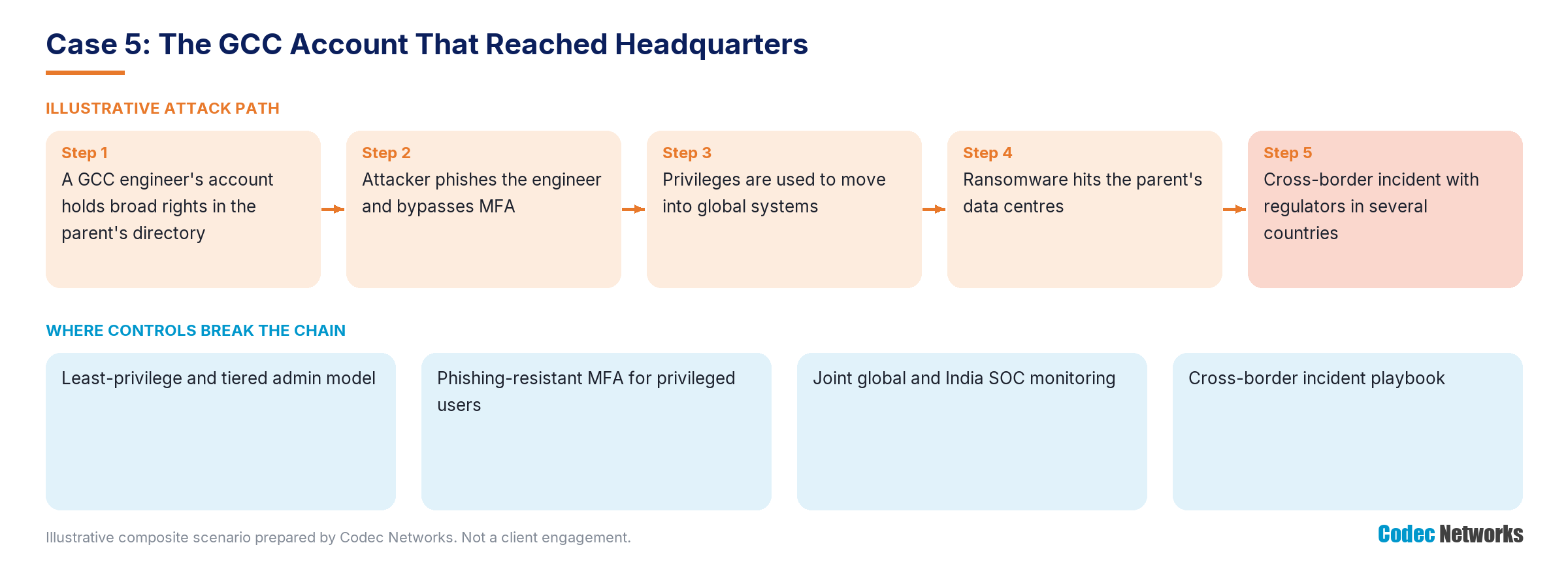
Figure 12: Illustrative attack path for Case Study 5 and the controls that break it.
What went wrong
- No tiered admin model.
- MFA was not phishing-resistant for privileged users.
- India and global SOCs were not coordinated.
- No cross-border incident playbook.
The impact
The parent faced global outages and multi-country regulatory reporting, and reviewed the GCC's operating model.
The regulatory lens
- CERT-In Directions: incidents in India reported within six hours.
- Parent and home-country rules: notification duties in other jurisdictions.
- DPDP Act and Rules: safeguards for personal data processed in India once provisions commence.
How Codec Networks would help
|
Need |
Codec Networks response |
Bundle |
|
Contain privilege |
PAM and tiered admin review |
B3 |
|
Watch together |
Joint India–global SOC monitoring |
B7 |
|
Respond across borders |
Cross-border IR playbook and support |
B8 |
|
Key lessons Tier administrative access. Use phishing-resistant MFA for admins. Join up India and global monitoring. Plan for cross-border reporting. |
Talk to Codec Networks
|
Contact Codec Networks Pvt. Ltd. New Delhi: 507, 5th Floor, New Delhi House, Barakhamba Road, Connaught Place, New Delhi – 110001 Gurugram: 707, 7th Floor, Silverton Tower, Golf Course Extension Road, Sector 50, Gurugram – 122018, Haryana Landline: 011 430 496 96 | 011 437 522 99 Mobile: +91 99716 76124 | +91 88007 88220 | +91 88003 31124 Email: mktg@codecnetworks.com Web: www.codecnetworks.com |