

Resources Categories
INDUSTRY FACT FILE · POWER & ELECTRICITY
Five New Case Studies in Power Sector Security
Original 2026 case studies, each written as a blog post, showing how current threats play out for power utilities and how Codec Networks services break the attack chain.
|
In this document 1. About these case studies 2. Case Study 1: The Load Dispatch Centre Intrusion 3. Case Study 2: The Substation Remote Access Nobody Logged 4. Case Study 3: The DISCOM Billing Ransomware 5. Case Study 4: The Smart Meter Head-End That Could Switch Off a City 6. Case Study 5: The Plant DCS on the Corporate Network |
About these case studies
These five case studies were written for this document set and have not been published elsewhere. Each is a composite scenario combining attack techniques and control failures widely observed in power systems with the obligations that apply in India as of October 2026—in particular the CEA (Cyber Security in Power Sector) Regulations, 2026 (as reported), CERT-In's Directions and NCIIPC expectations.
|
Important disclosure The organisations described are fictional and the scenarios are illustrative. They are not accounts of real incidents, and they are not Codec Networks client engagements or claims of achieved outcomes. Their value lies in showing how connected weaknesses form an attack chain, which controls break it, and which services test those controls. |
|
Case study |
Organisation type |
Core threat |
Regulatory lens |
Primary bundles |
|
1. The Load Dispatch Centre Intrusion |
State load dispatch centre |
State-linked espionage targeting SCADA/EMS |
CEA Regulations; CERT-In; NCIIPC |
B7, B3, B8 |
|
2. The Substation Remote Access Nobody Logged |
Transmission utility |
Abuse of OEM remote access |
CEA Regulations; contracts |
B3, B9, B7 |
|
3. The DISCOM Billing Ransomware |
Distribution company |
Ransomware in IT probing distribution SCADA |
CEA Regulations; CERT-In; DPDP |
B7, B10, B8 |
|
4. The Smart Meter Head-End That Could Switch Off a City |
Distribution company |
Weak head-end administration |
CEA Regulations; DPDP |
B1, B2, B7 |
|
5. The Plant DCS on the Corporate Network |
Thermal generating station |
Malware reaching DCS through IT |
CEA Regulations; CERT-In |
B3, B1, B10 |
Case Study 1: The Load Dispatch Centre Intrusion
The attackers were patient. They wanted access, not attention.
|
At a glance |
|
|
Organisation |
A state load dispatch centre (“SLDC A”) |
|
Threat |
Phished engineer credentials used to probe for paths from IT into SCADA/EMS |
|
Why it is new |
Grid control centres are strategic targets |
|
Codec Networks services |
Threat hunting, segmentation review, OT forensics (Bundles B7, B3, B8) |
The scenario
An SLDC A engineer received a tailored email referencing a real grid meeting and entered credentials on a fake page.
Attackers used the account to explore the corporate network and looked for connections into SCADA/EMS, including shared jump hosts.
A threat intelligence alert prompted a hunt that found the intruders before they reached control systems.
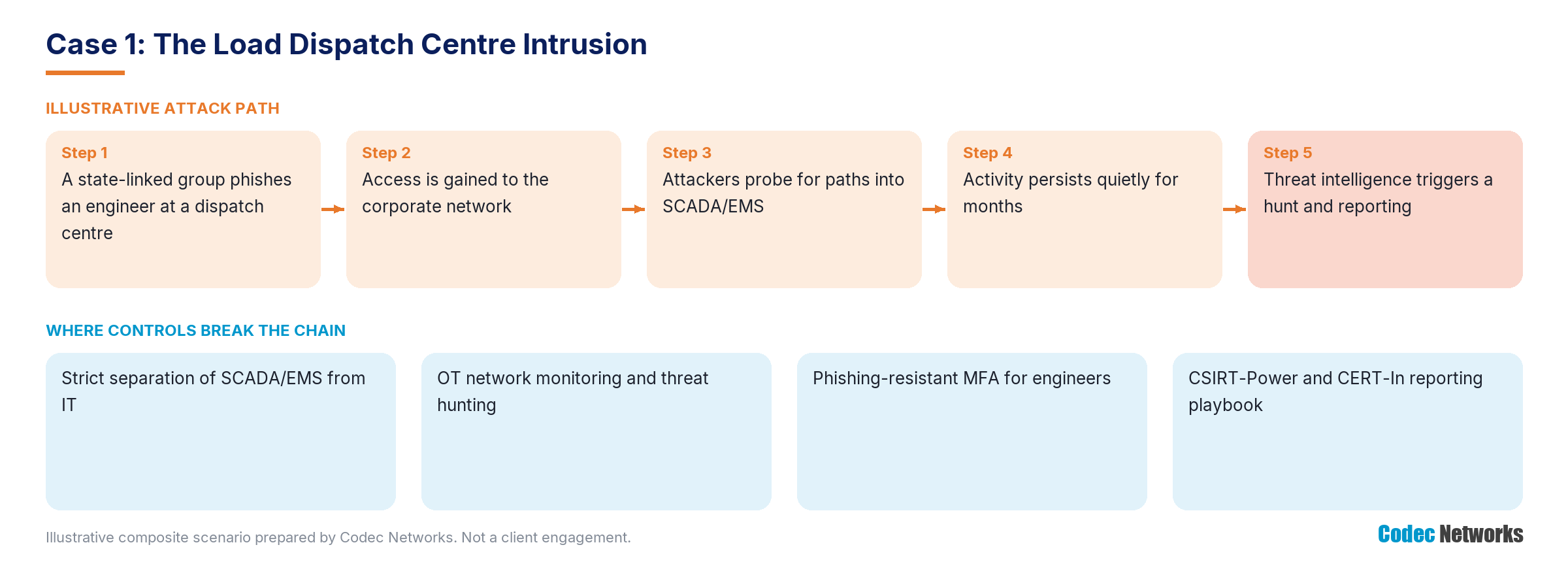
Figure 8: Illustrative attack path for Case Study 1 and the controls that break it.
What went wrong
- MFA was not phishing-resistant.
- Jump hosts were shared between IT and OT tasks.
- No OT network monitoring.
- No regular threat hunting.
The impact
SLDC A reported the incident, rebuilt jump hosts and accelerated separation and monitoring projects.
The regulatory lens
- CEA Regulations 2026 (as reported): incident reporting to CSIRT-Power and CERT-In within six hours; separation of OT networks.
- NCIIPC: coordination for critical information infrastructure.
- CERT-In Directions: reporting and log retention.
How Codec Networks would help
|
Need |
Codec Networks response |
Bundle |
|
Hunt |
Threat hunting for state-actor tradecraft |
B7 |
|
Separate |
IT/OT and jump host architecture review |
B3 |
|
Investigate |
OT-aware forensics |
B8 |
|
Key lessons Use phishing-resistant MFA. Never share jump hosts across IT and OT. Monitor OT networks. Hunt regularly. |
Case Study 2: The Substation Remote Access Nobody Logged
The connection was there for emergencies. It was used for one.
|
At a glance |
|
|
Organisation |
A state transmission utility (“Transco B”) |
|
Threat |
Stolen OEM credentials used over a permanent connection to change relay settings |
|
Why it is new |
Vendor access can reach protection systems directly |
|
Codec Networks services |
Remote access review, vendor assessment, configuration monitoring (Bundles B3, B9, B7) |
The scenario
Transco B's substation automation vendor maintained an always-on remote connection for support.
An attacker stole the vendor's credentials and connected at night, changing protection relay settings at a substation.
Feeders tripped unexpectedly, causing a local outage and an urgent investigation.
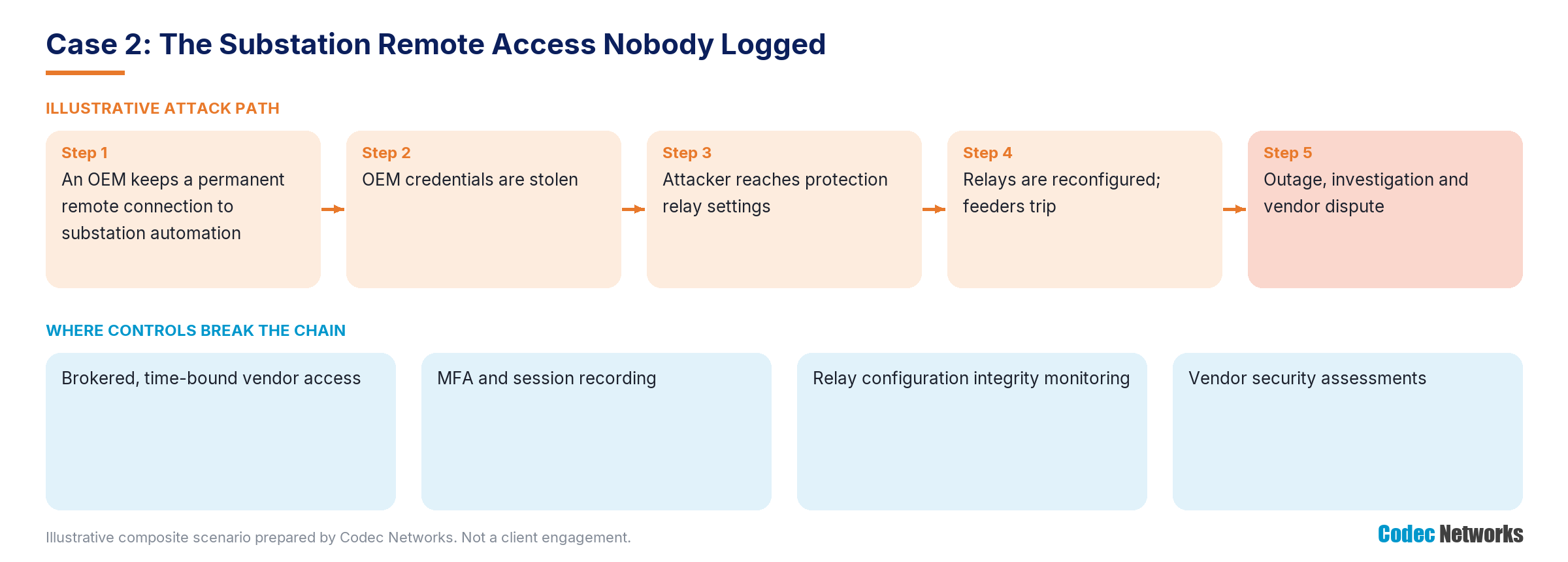
Figure 9: Illustrative attack path for Case Study 2 and the controls that break it.
What went wrong
- Vendor access was always on.
- No MFA or session recording.
- Relay settings were not monitored for change.
- Vendor security was never assessed.
The impact
Transco B restored supply, reported the incident and renegotiated vendor access terms.
The regulatory lens
- CEA Regulations 2026 (as reported): vendor accountability, OT protection and six-hour incident reporting.
- Grid codes: coordination with load dispatch centres.
- Contracts: vendor security obligations.
How Codec Networks would help
|
Need |
Codec Networks response |
Bundle |
|
Control access |
Brokered, recorded remote access review |
B3 |
|
Assess vendors |
OEM security assessment |
B9 |
|
Watch settings |
Configuration integrity monitoring |
B7 |
|
Key lessons Make vendor access on-request. Require MFA and recording. Monitor relay settings. Assess OEM security. |
Case Study 3: The DISCOM Billing Ransomware
Bills stopped. Then the attackers went looking for the switches.
|
At a glance |
|
|
Organisation |
A DISCOM (“Discom C”) serving several million consumers |
|
Threat |
Ransomware encrypting billing and portals, then probing distribution SCADA |
|
Why it is new |
IT incidents at DISCOMs can threaten supply |
|
Codec Networks services |
SOC monitoring, ransomware exercises, incident response (Bundles B7, B10, B8) |
The scenario
A billing clerk opened a malicious attachment, and ransomware spread across Discom C's corporate network.
Billing, collections and the consumer portal stopped. Logs later showed attackers scanning for distribution SCADA servers.
Segmentation installed the previous year blocked the path, but recovery of billing took days.
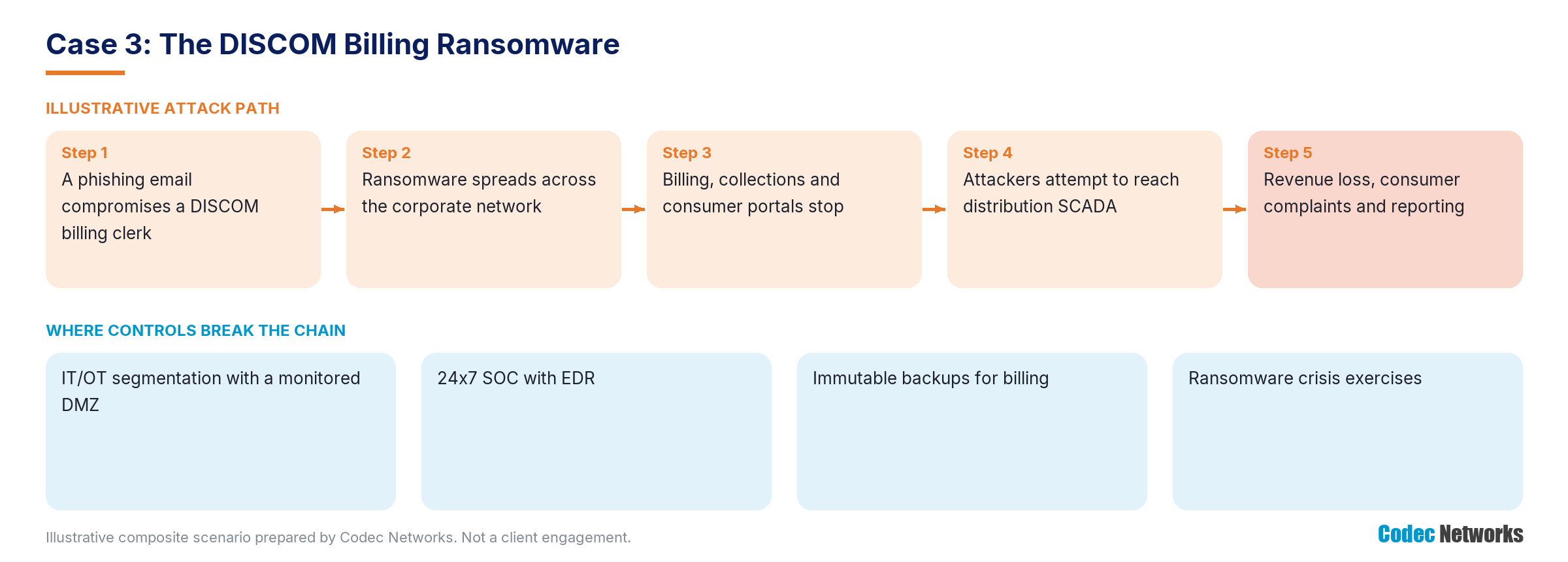
Figure 10: Illustrative attack path for Case Study 3 and the controls that break it.
What went wrong
- EDR alerts were not monitored 24x7.
- Billing backups were partly online.
- Some IT-to-OT rules were overly broad.
- Ransomware recovery had not been rehearsed.
The impact
Discom C lost revenue, faced consumer complaints and assessed DPDP exposure for consumer data.
The regulatory lens
- CEA Regulations 2026 (as reported): incident reporting and crisis management with annual drills.
- CERT-In Directions: incidents reported within six hours.
- DPDP Act and Rules: consumer data safeguards once provisions commence.
How Codec Networks would help
|
Need |
Codec Networks response |
Bundle |
|
Detect early |
24x7 SOC with EDR |
B7 |
|
Rehearse |
Ransomware crisis exercises |
B10 |
|
Recover |
Ransomware response and restoration |
B8 |
|
Key lessons Monitor endpoints around the clock. Keep billing backups offline. Tighten IT-to-OT rules. Rehearse recovery. |
Case Study 4: The Smart Meter Head-End That Could Switch Off a City
One screen could disconnect thousands of homes.
|
At a glance |
|
|
Organisation |
A DISCOM (“Discom D”) rolling out smart meters |
|
Threat |
Compromised head-end admin access enabling mass disconnect commands |
|
Why it is new |
Smart metering concentrates control of supply |
|
Codec Networks services |
Head-end testing, application review, monitoring (Bundles B1, B2, B7) |
The scenario
Discom D's smart meter head-end system used shared admin accounts without MFA.
An attacker who obtained an admin password tested a disconnect command on a block of meters, cutting supply to a neighbourhood.
Discom D restored supply and found that no approval or rate limit existed for bulk commands.
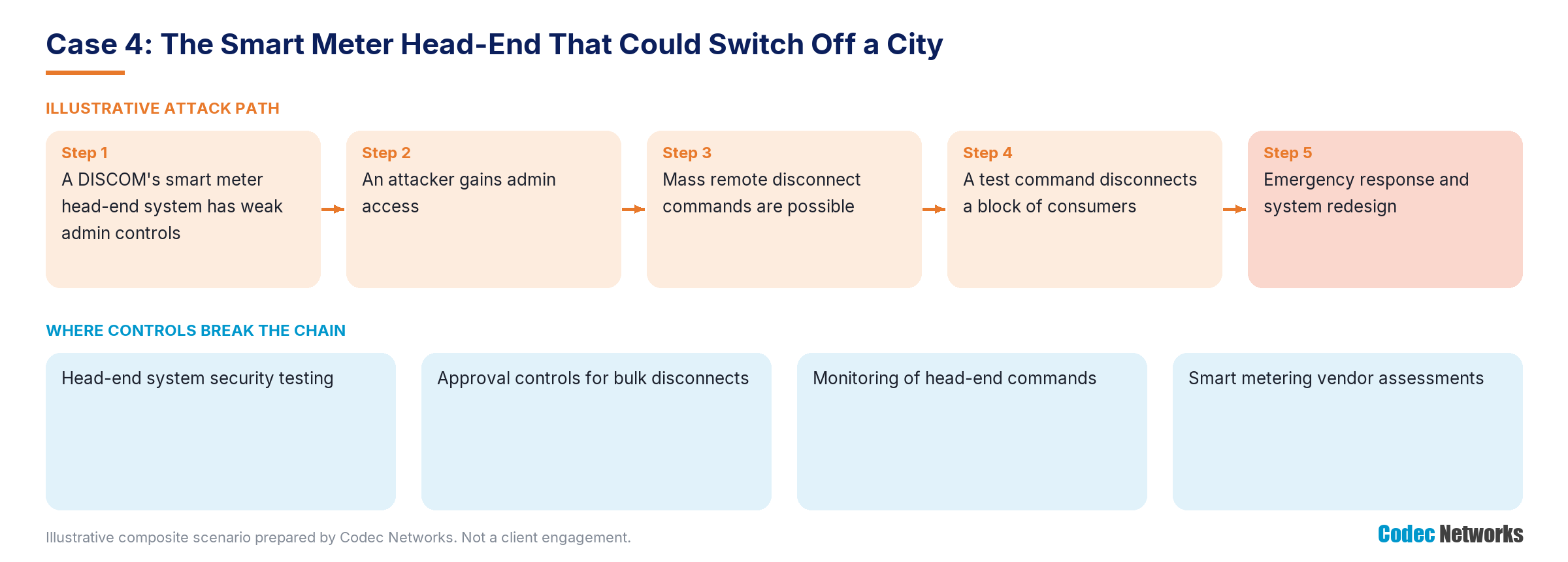
Figure 11: Illustrative attack path for Case Study 4 and the controls that break it.
What went wrong
- Shared admin accounts without MFA.
- No approval for bulk disconnects.
- No rate limits on commands.
- Head-end commands were not monitored.
The impact
Discom D faced public criticism, an internal review and urgent redesign of head-end controls.
The regulatory lens
- CEA Regulations 2026 (as reported): protection of OT and connected IT, incident reporting within six hours.
- DPDP Act and Rules: consumer metering data safeguards once provisions commence.
- State regulations: supply obligations to consumers.
How Codec Networks would help
|
Need |
Codec Networks response |
Bundle |
|
Test the head-end |
Head-end and metering security testing |
B1 |
|
Fix the application |
Admin, approval and rate-limit review |
B2 |
|
Watch commands |
Monitoring of head-end commands |
B7 |
|
Key lessons Use named admin accounts with MFA. Approve bulk commands. Rate-limit disconnects. Monitor head-end activity. |
Case Study 5: The Plant DCS on the Corporate Network
It started with a contractor's laptop.
|
At a glance |
|
|
Organisation |
A thermal generating station (“Genco E”) |
|
Threat |
Malware from an infected laptop spreading from IT to DCS operator stations |
|
Why it is new |
Flat plant networks let IT malware reach control systems |
|
Codec Networks services |
Plant segmentation, OT assessment, recovery drills (Bundles B3, B1, B10) |
The scenario
A contractor connected an infected laptop to Genco E's network during maintenance.
Because DCS servers were reachable from corporate IT, self-spreading malware disrupted operator stations and historians.
Operators tripped units as a precaution, causing generation loss and grid coordination with the dispatch centre.
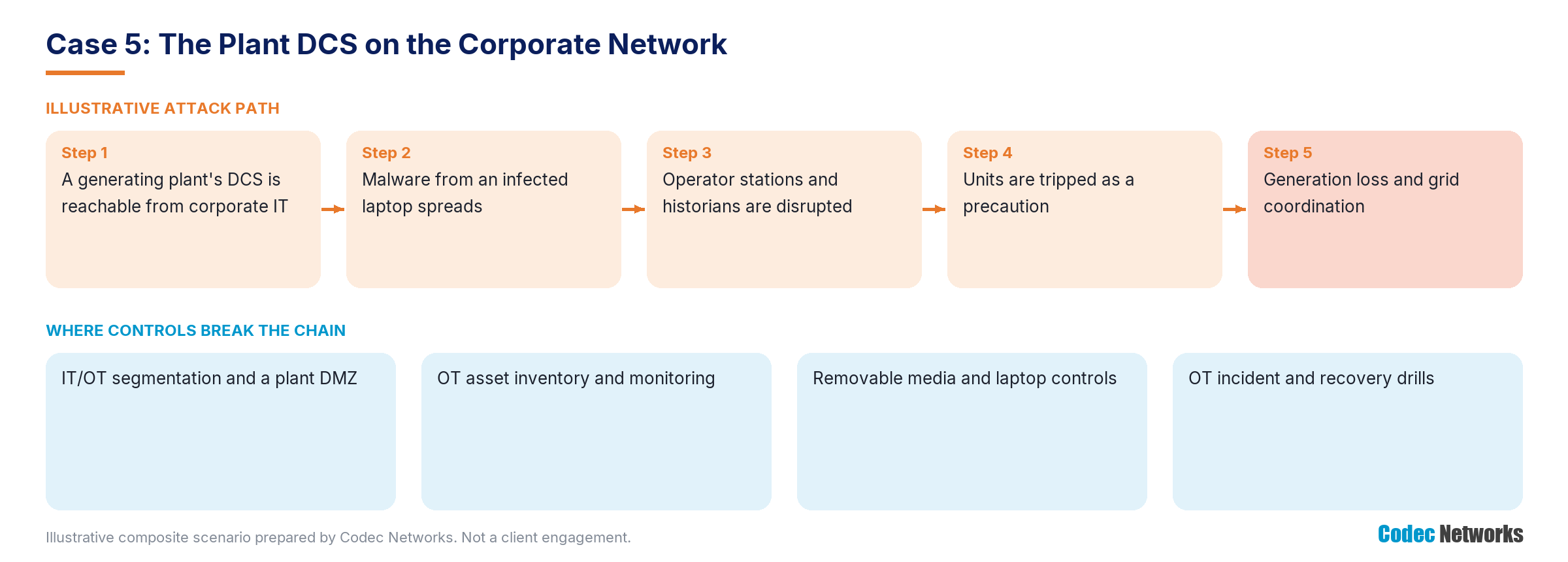
Figure 12: Illustrative attack path for Case Study 5 and the controls that break it.
What went wrong
- DCS was reachable from corporate IT.
- No plant DMZ.
- Contractor devices were not controlled.
- OT recovery had not been drilled.
The impact
Genco E lost generation, reported the incident and launched a segmentation programme.
The regulatory lens
- CEA Regulations 2026 (as reported): OT separation, incident reporting within six hours and annual mock drills.
- Grid codes: coordination with load dispatch centres during unit trips.
- CERT-In Directions: reporting and logs.
How Codec Networks would help
|
Need |
Codec Networks response |
Bundle |
|
Segment the plant |
IT/OT segmentation and DMZ design |
B3 |
|
Assess the DCS |
OT-safe DCS assessment |
B1 |
|
Drill recovery |
OT incident and recovery drills |
B10 |
|
Key lessons Keep DCS off the corporate network. Build a plant DMZ. Control contractor devices. Drill OT recovery. |
Talk to Codec Networks
|
Contact Codec Networks Pvt. Ltd. New Delhi: 507, 5th Floor, New Delhi House, Barakhamba Road, Connaught Place, New Delhi – 110001 Gurugram: 707, 7th Floor, Silverton Tower, Golf Course Extension Road, Sector 50, Gurugram – 122018, Haryana Landline: 011 430 496 96 | 011 437 522 99 Mobile: +91 99716 76124 | +91 88007 88220 | +91 88003 31124 Email: mktg@codecnetworks.com Web: www.codecnetworks.com |