

Resources Categories
INDUSTRY FACT FILE · RAILWAYS, METRO & SURFACE TRANSPORT
Five New Case Studies in Rail and Surface Transport Security
Original 2026 case studies, each written as a blog post, showing how current threats play out in railways, metros, tolling and transit technology organisations and how Codec Networks services break the attack chain.
|
In this document 1. About these case studies 2. Case Study 1: The Driver App That Stopped the Trains 3. Case Study 2: The Ticketing API Nobody Rate-Limited 4. Case Study 3: The Station Displays That Lied 5. Case Study 4: The Toll Plaza Payment Diversion 6. Case Study 5: The Engineering Laptop on the Interlocking Network |
About these case studies
These five case studies were written for this document set and have not been published elsewhere. Each is a composite scenario combining attack techniques and control failures widely observed in transport with the obligations that apply in India as of October 2026—in particular CERT-In's Directions and audit guidelines, NCIIPC's critical-sector expectations, railway and metro safety regimes, RBI and NPCI payment rules, SEBI disclosure for listed PSUs and DPDP.
|
Important disclosure The organisations described are fictional and the scenarios are illustrative. They are not accounts of real incidents, and they are not Codec Networks client engagements or claims of achieved outcomes. Their value lies in showing how connected weaknesses form an attack chain, which controls break it, and which services test those controls. |
|
Case study |
Organisation type |
Core threat |
Regulatory lens |
Primary bundles |
|
1. The Driver App That Stopped the Trains |
Regional rail operator |
Supplier outage halting operations |
CERT-In; safety regime; contracts |
B9, B10, B7 |
|
2. The Ticketing API Nobody Rate-Limited |
Railway ticketing PSU |
Bots and API abuse on a booking platform |
CERT-In; DPDP; SEBI LODR |
B2, B7, B6 |
|
3. The Station Displays That Lied |
Metro rail corporation |
Hijacked passenger information system |
CMRS; CERT-In; NCIIPC |
B3, B9, B10 |
|
4. The Toll Plaza Payment Diversion |
Highway toll concessionaire |
Business email compromise of settlement flows |
NPCI/RBI; CERT-In; lender covenants |
B10, B7, B2 |
|
5. The Engineering Laptop on the Interlocking Network |
Railway division |
Malware reaching signalling maintenance systems |
CRS; NCIIPC; CERT-In |
B1, B3, B9 |
Case Study 1: The Driver App That Stopped the Trains
The signals were green. The trains did not move.
|
At a glance |
|
|
Organisation |
A regional rail operator (“Railco A”) running suburban and inter-city services |
|
Threat |
Ransomware at a supplier hosting the crew and driver information app, which the supplier took offline, leaving drivers without speed restriction and work-zone data |
|
Why it is new |
Operators increasingly run safety-relevant information through vendor-hosted apps |
|
Codec Networks services |
Supplier programme, joint exercises, SOC (Bundles B9, B10, B7) |
The scenario
Railco A's drivers received daily speed restrictions, work-zone notices and rosters through a supplier-hosted app. The supplier was hit by ransomware on a Saturday morning and shut its servers to contain it.
Railco A's rules did not permit departure without the current restriction data. With no offline fallback and no printed procedure, services stopped across the network for most of the day.
Operations resumed only after the supplier rebuilt its platform. The safety regulator asked for a review, and the operator discovered its contract carried no recovery time objective and no right to audit.
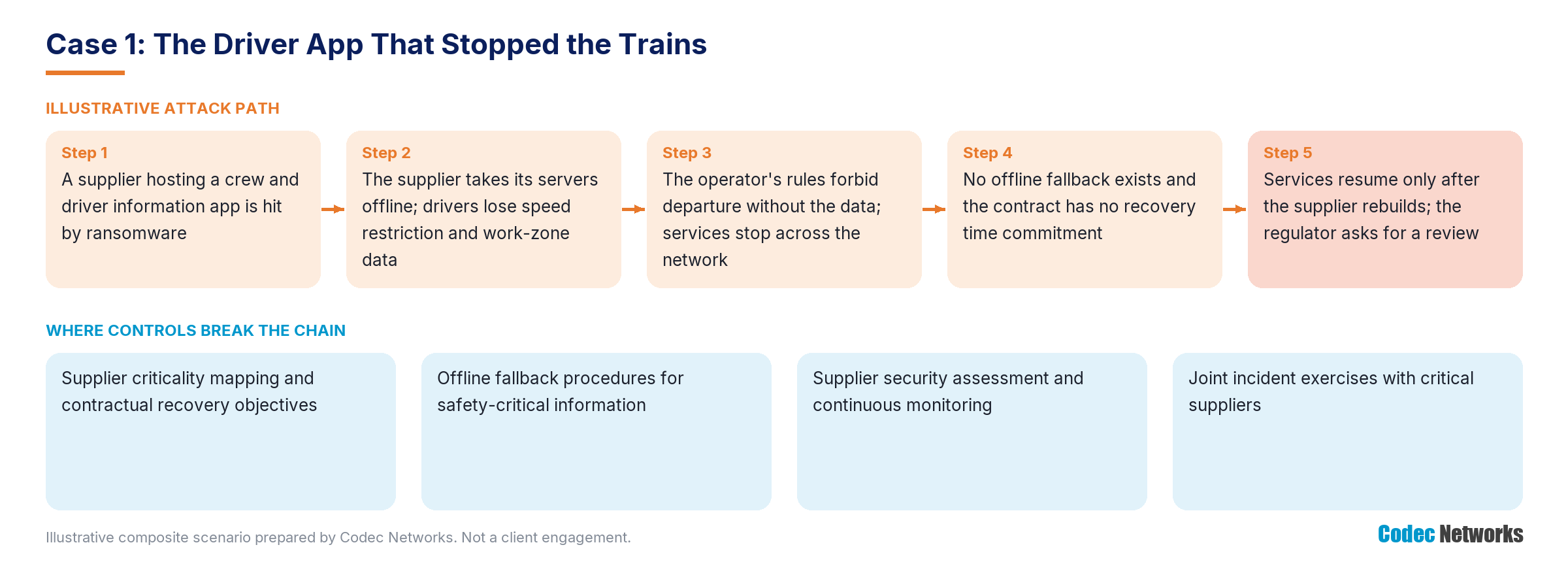
Figure 8: Illustrative attack path for Case Study 1 and the controls that break it.
What went wrong
- No supplier criticality map: nobody had classed the app as operationally critical.
- No offline fallback for safety-relevant information.
- Contract silent on recovery objectives, security and audit rights.
- No monitoring of supplier health or access.
The impact
Railco A lost a day of services, faced regulator and media scrutiny, reported the incident to CERT-In and re-tendered the service with security and recovery requirements.
The regulatory lens
- CERT-In Directions: incident reported within six hours.
- Railway safety regime: operating rules and regulator review of the stoppage.
- Contracts: supplier security, recovery and notification obligations the contract lacked.
How Codec Networks would help
|
Need |
Codec Networks response |
Bundle |
|
Map and govern suppliers |
Supplier criticality mapping, security assessment and contractual recovery objectives |
B9 |
|
Rehearse the outage |
Joint tabletop and degraded-mode drills with critical suppliers |
B10 |
|
Watch supplier health |
SOC monitoring of supplier access and availability |
B7 |
|
Key lessons Classify supplier systems operations cannot run without. Keep offline fallbacks for safety-relevant information. Put recovery objectives and audit rights in contracts. Exercise with suppliers before the outage. |
Case Study 2: The Ticketing API Nobody Rate-Limited
Tickets sold out in eleven seconds. Most went to machines.
|
At a glance |
|
|
Organisation |
A listed railway ticketing PSU (“Ticketco B”) launching a new booking app |
|
Threat |
Bots exploiting an unauthenticated mobile API with no rate limits to reserve launch-time seats, and predictable booking identifiers leaking passenger details |
|
Why it is new |
Launch-time demand turns weak APIs into fraud and public failure at national scale |
|
Codec Networks services |
API and mobile testing, SOC fraud analytics, DPDP (Bundles B2, B7, B6) |
The scenario
Ticketco B launched a new app ahead of the festive season. Its mobile API accepted booking requests without device attestation or rate limits, and bot operators reserved seats on popular trains within seconds of opening.
Fraudulent agents resold confirmed tickets at a premium while genuine passengers saw 'sold out' and complained on social media. Researchers then found that booking identifiers were sequential and returned passenger names and contact details to anyone who asked.
Ticketco B throttled the API under pressure, reported the incident, answered a privacy query and redesigned the platform during its busiest weeks.
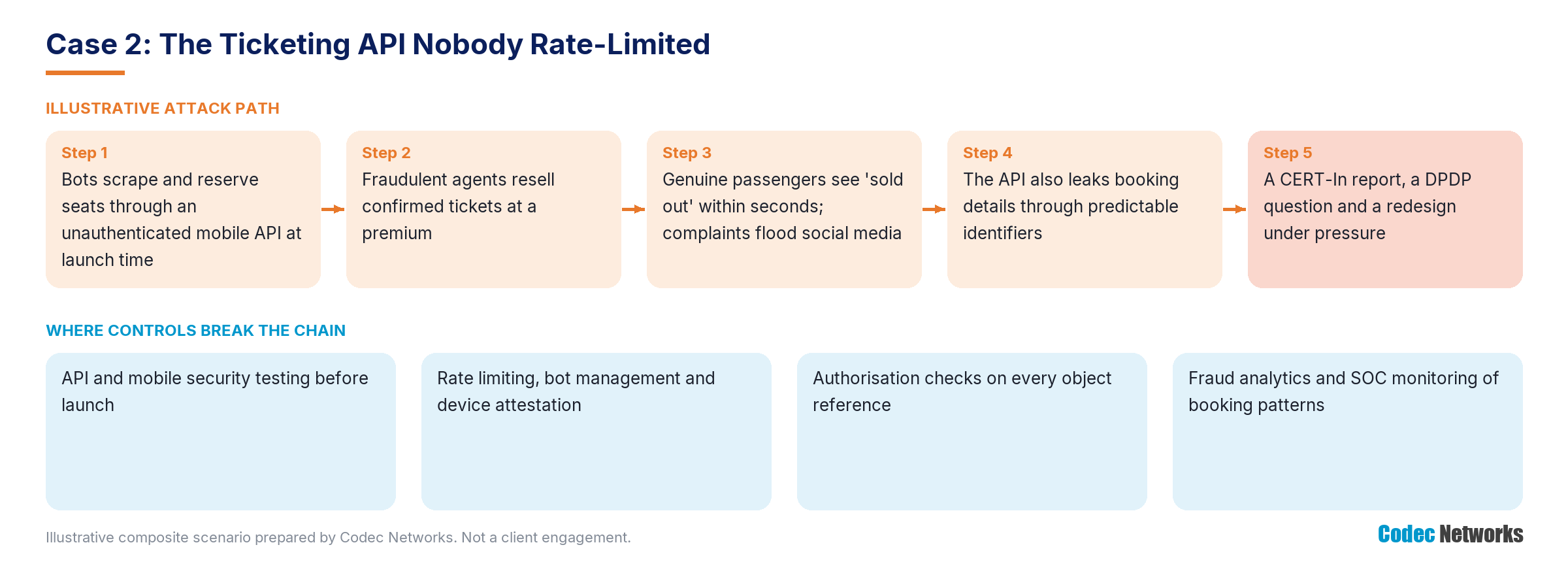
Figure 9: Illustrative attack path for Case Study 2 and the controls that break it.
What went wrong
- No pre-launch API and mobile security testing.
- No rate limiting, bot management or device attestation.
- Broken object-level authorisation on booking identifiers.
- No fraud analytics on booking patterns.
The impact
Ticketco B suffered public anger, revenue leakage to resellers, a CERT-In report, a quarterly disclosure and an expensive redesign.
The regulatory lens
- CERT-In Directions: incident reported within six hours.
- DPDP: passenger data exposed through the API.
- SEBI LODR: cyber incident disclosed in the quarterly corporate governance report.
How Codec Networks would help
|
Need |
Codec Networks response |
Bundle |
|
Test before launch |
API and mobile security testing, bot resistance, authorisation checks |
B2 |
|
Watch the bookings |
SOC fraud analytics and bot pattern detection |
B7 |
|
Protect passengers |
DPDP programme and data minimisation in APIs |
B6 |
|
Key lessons Test APIs and apps before every launch. Rate-limit, attest devices and manage bots. Authorise every object reference. Monitor booking patterns for automation. |
Case Study 3: The Station Displays That Lied
The evacuation message was fake. The crowd surge was real.
|
At a glance |
|
|
Organisation |
A metro corporation (“Metroco C”) operating three lines through a major interchange |
|
Threat |
A phished IT contractor account used to push false delay and evacuation messages to platform displays and public address at peak hour |
|
Why it is new |
Passenger information systems are reachable from office IT and rarely treated as safety-relevant |
|
Codec Networks services |
Segregation and access controls, contractor programme, crisis exercises (Bundles B3, B9, B10) |
The scenario
A hacktivist group phished a contractor who maintained Metroco C's passenger information system from the corporate network. The content server accepted changes from any authenticated user without approval.
At evening peak, false messages announced service suspension and told passengers to evacuate the interchange. Crowds surged towards exits before station staff could override the displays, which required a call to the contractor.
Several passengers were injured in the crush. Metroco C reported the incident, faced a safety inquiry and spent weeks restoring confidence in its announcements.
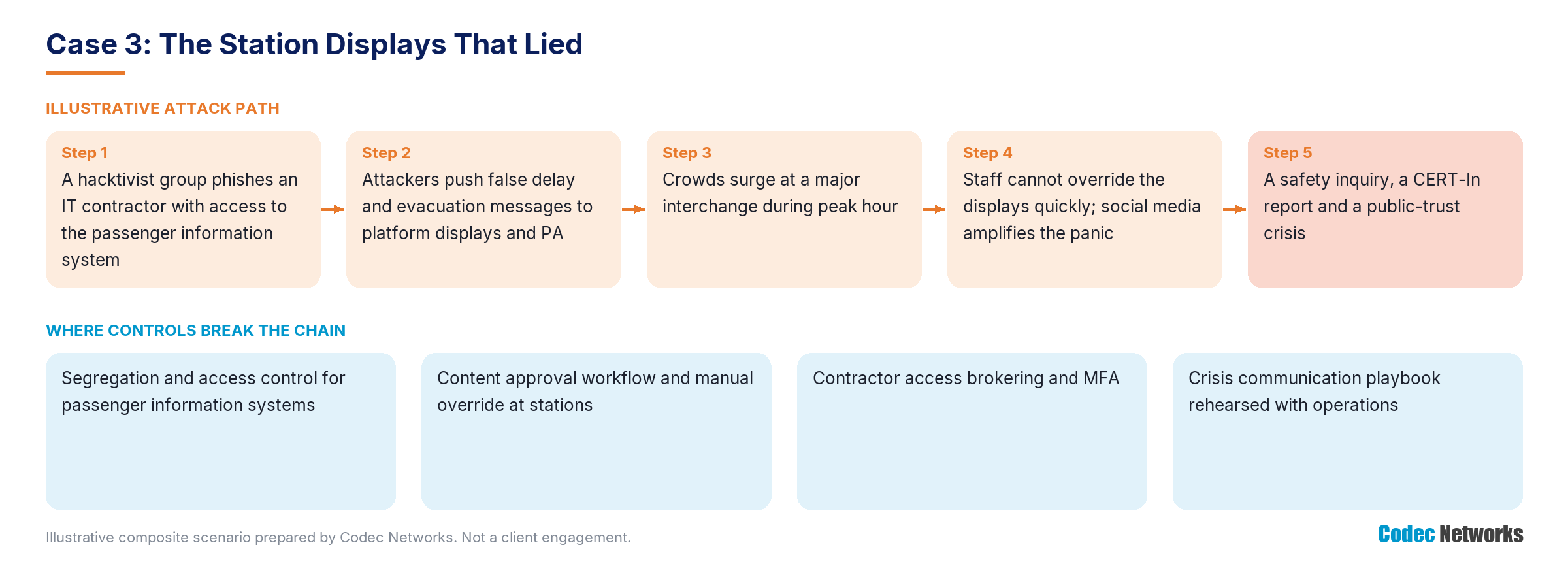
Figure 10: Illustrative attack path for Case Study 3 and the controls that break it.
What went wrong
- Passenger information system on the corporate network with contractor access.
- No content approval workflow or integrity checks.
- No fast manual override at stations.
- No crisis communication playbook for false information.
The impact
Metroco C faced injuries, a safety inquiry, a CERT-In report, public criticism and a programme to segregate and control its information systems.
The regulatory lens
- Metro Railways Act and CMRS: incident affecting safe operation investigated.
- CERT-In Directions: incident reported within six hours.
- NCIIPC: coordination where systems are notified as protected.
How Codec Networks would help
|
Need |
Codec Networks response |
Bundle |
|
Segregate and control |
Segmentation of passenger information systems, access control and content integrity |
B3 |
|
Govern contractors |
Contractor access brokering, MFA and assessment |
B9 |
|
Rehearse the crisis |
Crisis communication and crowd-scenario tabletops |
B10 |
|
Key lessons Treat passenger information as safety-relevant. Approve content and verify its integrity. Give stations an instant override. Rehearse false-information scenarios. |
Case Study 4: The Toll Plaza Payment Diversion
The plazas collected every rupee. The money went somewhere else.
|
At a glance |
|
|
Organisation |
A toll concessionaire (“Tollco D”) operating four plazas on a national highway |
|
Threat |
A compromised finance manager mailbox used to send 'updated' settlement bank details to the acquiring partner, diverting FASTag settlements |
|
Why it is new |
Settlement flows run on trust between concessionaires, acquirers and lenders |
|
Codec Networks services |
BEC simulation, SOC monitoring, payment flow testing (Bundles B10, B7, B2) |
The scenario
Attackers phished Tollco D's finance manager and watched the mailbox for weeks, learning the settlement cycle with the acquiring bank.
They sent a genuine-looking request to update settlement bank details. The acquirer's checks were manual, and daily settlements flowed to the attackers' account for several days before reconciliation flagged the gap.
Tollco D recovered part of the money, breached a lender reporting covenant and faced questions from the highway authority.
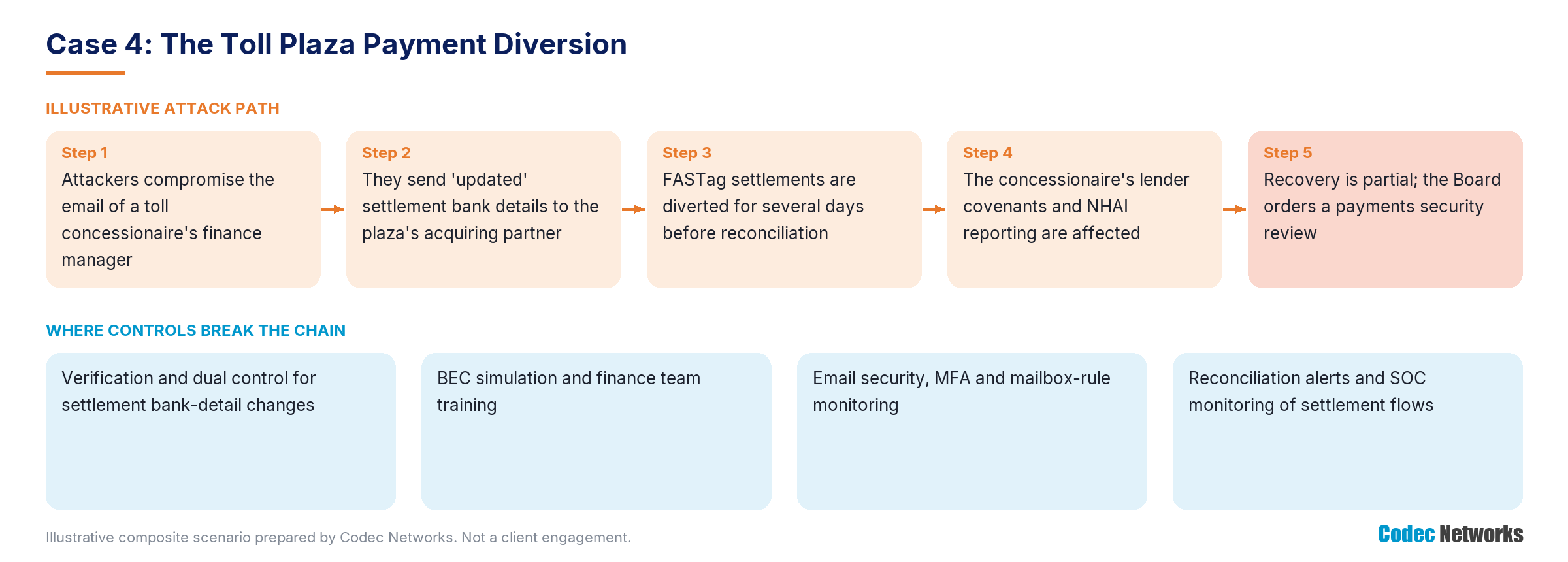
Figure 11: Illustrative attack path for Case Study 4 and the controls that break it.
What went wrong
- No MFA on finance mailboxes and no mailbox-rule monitoring.
- No call-back verification or dual control for bank-detail changes.
- Reconciliation ran weekly, not daily.
- Finance staff untrained on BEC.
The impact
Tollco D lost several days of settlements, strained its lender and authority relationships and rebuilt its payment verification and monitoring.
The regulatory lens
- NPCI NETC rules and RBI expectations: settlement integrity and participant controls.
- CERT-In Directions: incident reported within six hours.
- Concession and lender covenants: revenue reporting and protection duties.
How Codec Networks would help
|
Need |
Codec Networks response |
Bundle |
|
Train and rehearse |
BEC simulation and finance team training |
B10 |
|
Watch for abuse |
Monitoring of mailbox rules, bank-detail changes and settlement anomalies |
B7 |
|
Harden the flows |
Payment flow and plaza system security testing |
B2 |
|
Key lessons Verify every bank-detail change by call-back. Enforce MFA and monitor mailbox rules. Reconcile settlements daily. Train finance teams on BEC. |
Case Study 5: The Engineering Laptop on the Interlocking Network
Every signal went to danger. The trains ran on paper.
|
At a glance |
|
|
Organisation |
A railway division (“Divco E”) with electronic interlocking at forty stations |
|
Threat |
A signalling contractor's infected laptop connected to an interlocking maintenance port, spreading malware to diagnostic and data-logger systems in relay rooms |
|
Why it is new |
Maintenance ports and contractor devices bypass every boundary the division thought it had |
|
Codec Networks services |
OT assessment, segmentation, contractor programme (Bundles B1, B3, B9) |
The scenario
During maintenance, a contractor connected a personal laptop to an electronic interlocking maintenance port to download logs. The laptop carried self-spreading malware.
The malware reached diagnostic terminals and data loggers across several stations through a maintenance network that also connected to station IT. The interlocking kept trains safe by holding signals at danger, but services ran on paper authority at low speed for two days.
Cleaning the network and verifying every system took a week. The division reported to CERT-In and the Commission of Railway Safety, and an audit found flat networks between station IT and signalling maintenance systems.
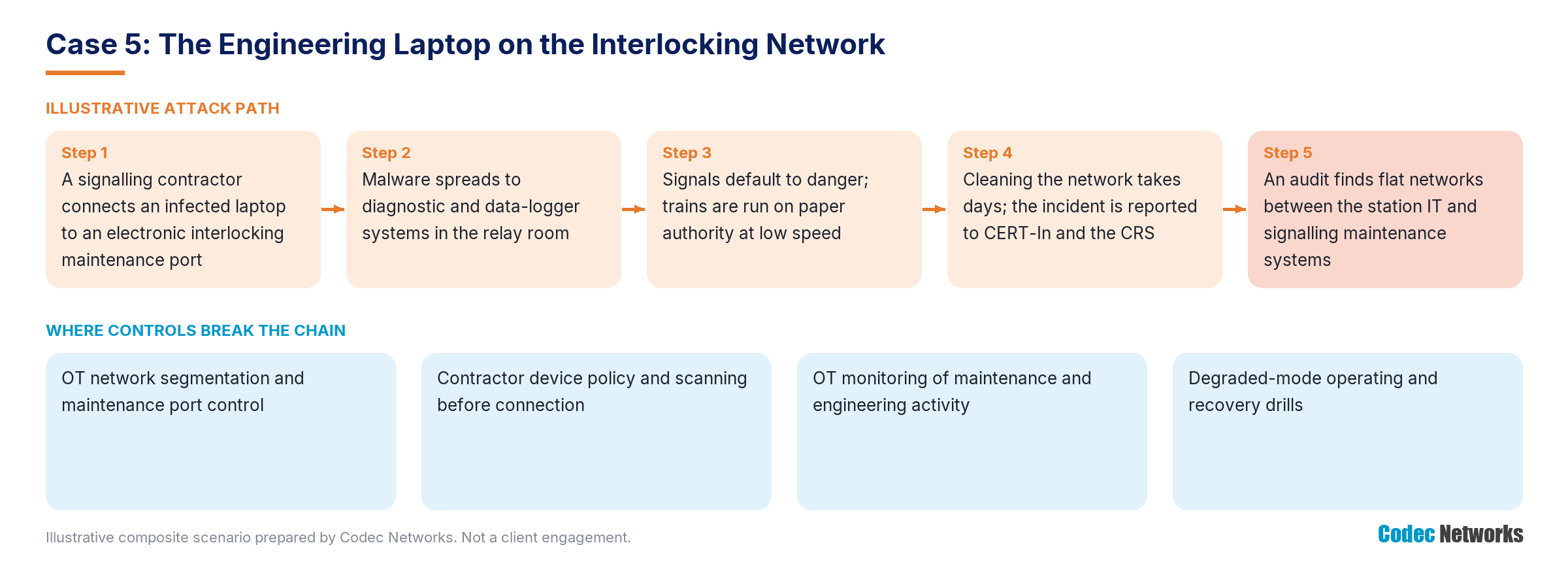
Figure 12: Illustrative attack path for Case Study 5 and the controls that break it.
What went wrong
- Maintenance ports unlocked and unmonitored.
- Contractor devices unscanned and unsegmented.
- Flat networks between station IT and signalling maintenance.
- No OT monitoring of engineering activity.
The impact
Divco E faced two days of degraded operations, a safety report, a CERT-In report and a programme to segment and monitor its signalling maintenance estate.
The regulatory lens
- Railways Act and CRS: incident affecting safe operation reported and reviewed.
- NCIIPC: signalling and control identified as CII.
- CERT-In Directions: incident reported within six hours.
How Codec Networks would help
|
Need |
Codec Networks response |
Bundle |
|
Assess the estate |
Signalling and OT assessment with safety-aware methods |
B1 |
|
Segment and lock |
Zone-and-conduit segmentation, maintenance port control, monitoring |
B3 |
|
Control contractors |
Contractor device policy, scanning and access governance |
B9 |
|
Key lessons Lock and monitor maintenance ports. Scan and segment contractor devices. Separate station IT from signalling maintenance. Monitor engineering activity in OT. |
Talk to Codec Networks
|
Contact Codec Networks Pvt. Ltd. New Delhi: 507, 5th Floor, New Delhi House, Barakhamba Road, Connaught Place, New Delhi – 110001 Gurugram: 707, 7th Floor, Silverton Tower, Golf Course Extension Road, Sector 50, Gurugram – 122018, Haryana Landline: 011 430 496 96 | 011 437 522 99 Mobile: +91 99716 76124 | +91 88007 88220 | +91 88003 31124 Email: mktg@codecnetworks.com Web: www.codecnetworks.com |