

Resources Categories
INDUSTRY FACT FILE · RENEWABLE ENERGY & ENERGY STORAGE
Five New Case Studies in Renewable Energy Security
Original 2026 case studies, each written as a blog post, showing how current threats play out for renewable, storage and metering operators and how Codec Networks services break the attack chain.
|
In this document 1. About these case studies 2. Case Study 1: The Wind Farm That Lost Its Link 3. Case Study 2: The Inverter Portal Everyone Shared 4. Case Study 3: The Rogue Radio in the Inverter 5. Case Study 4: The Battery System on the Open Internet 6. Case Study 5: The Smart Meter Update That Went Wrong |
About these case studies
These five case studies were written for this document set and have not been published elsewhere. Each is a composite scenario combining attack techniques and control failures widely observed in renewable energy, storage and metering with the obligations that apply in India as of October 2026—in particular the CEA (Cyber Security in Power Sector) Regulations, 2026 (as reported), CERT-In's Directions and the DPDP framework.
|
Important disclosure The organisations described are fictional and the scenarios are illustrative. They are not accounts of real incidents, and they are not Codec Networks client engagements or claims of achieved outcomes. Their value lies in showing how connected weaknesses form an attack chain, which controls break it, and which services test those controls. |
|
Case study |
Organisation type |
Core threat |
Regulatory lens |
Primary bundles |
|
1. The Wind Farm That Lost Its Link |
Wind portfolio operator |
Third-party connectivity disruption |
CEA Regulations; contracts |
B3, B9, B10 |
|
2. The Inverter Portal Everyone Shared |
Solar IPP |
Shared OEM portal credentials |
CEA Regulations; CERT-In |
B3, B9, B7 |
|
3. The Rogue Radio in the Inverter |
Renewable developer |
Undocumented communication module |
CEA Regulations; procurement |
B1, B9, B5 |
|
4. The Battery System on the Open Internet |
Battery storage operator |
Exposed EMS with default credentials |
CEA Regulations; CERT-In |
B1, B3, B7 |
|
5. The Smart Meter Update That Went Wrong |
Smart meter service provider |
Tampered unsigned firmware update |
DISCOM contracts; DPDP; CERT-In |
B2, B1, B8 |
Case Study 1: The Wind Farm That Lost Its Link
The turbines kept turning. Nobody could see them.
|
At a glance |
|
|
Organisation |
A wind portfolio operator (“Windco A”) with remote sites |
|
Threat |
An attack on a satellite communications provider disabling site terminals |
|
Why it is new |
Remote fleets depend on third-party links |
|
Codec Networks services |
Connectivity resilience, third-party assessment, resilience exercises (Bundles B3, B9, B10) |
The scenario
Windco A relied on a single satellite service for remote monitoring of its turbines.
An attack on the provider disabled user terminals across many customers, including Windco A.
Turbines continued operating safely, but remote monitoring and control were lost for weeks, forcing costly site visits.
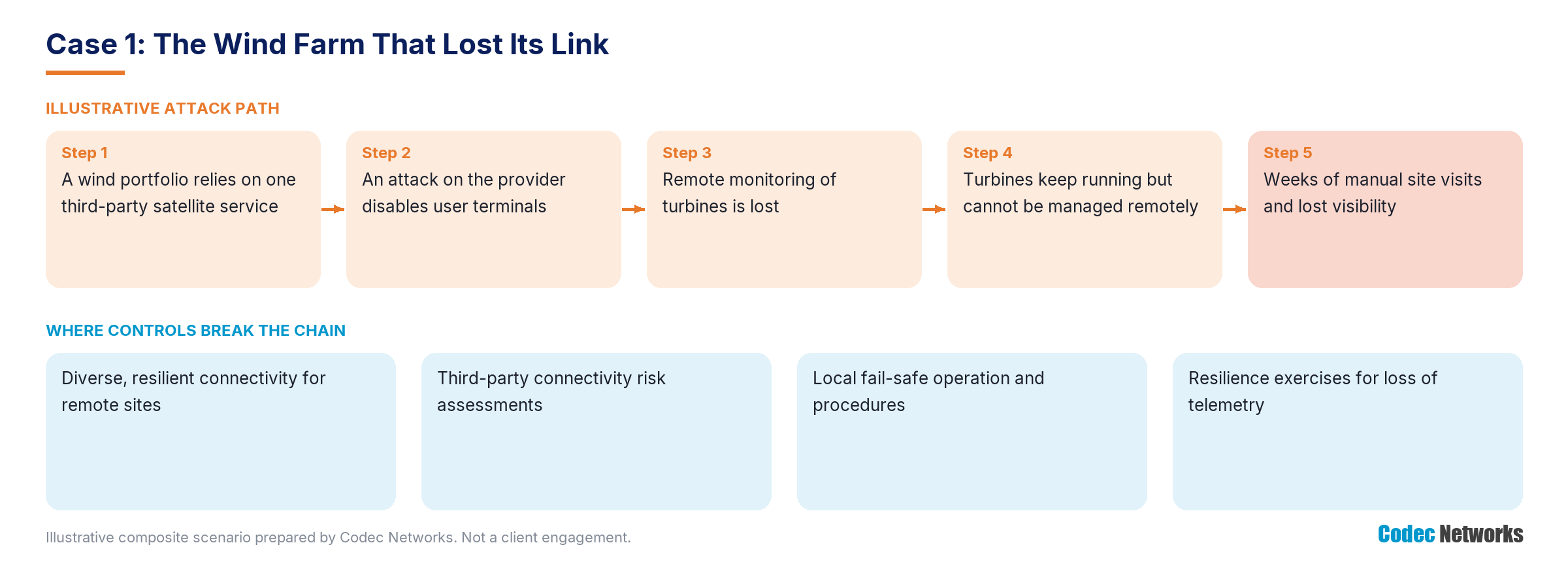
Figure 8: Illustrative attack path for Case Study 1 and the controls that break it.
What went wrong
- One connectivity provider for all sites.
- The provider's resilience was never assessed.
- Loss-of-telemetry procedures were untested.
- No backup links for critical sites.
The impact
Windco A faced operating costs, reduced visibility and contractual discussions with its provider.
The regulatory lens
- CEA Regulations 2026 (as reported): crisis management planning and resilience for covered entities.
- Grid coordination: obligations to support scheduling and forecasting.
- Contracts: connectivity provider service levels.
How Codec Networks would help
|
Need |
Codec Networks response |
Bundle |
|
Diversify links |
Connectivity resilience review |
B3 |
|
Assess providers |
Third-party connectivity assessment |
B9 |
|
Rehearse |
Loss-of-telemetry exercises |
B10 |
|
Key lessons Use diverse connectivity. Assess link providers. Plan safe local operation. Rehearse telemetry loss. |
Case Study 2: The Inverter Portal Everyone Shared
One password controlled three plants.
|
At a glance |
|
|
Organisation |
A solar IPP (“Solarco B”) using an OEM cloud portal for its inverters |
|
Threat |
A phished shared admin login used to curtail output across plants |
|
Why it is new |
OEM clouds can command entire fleets |
|
Codec Networks services |
Vendor cloud review, OEM assessment, command monitoring (Bundles B3, B9, B7) |
The scenario
Solarco B's site teams and an O&M contractor shared one admin login to the inverter OEM's cloud portal, without MFA.
The password was phished. An attacker logged in and reduced output limits across three plants.
Generation dropped for hours before the change was noticed, triggering PPA penalties.
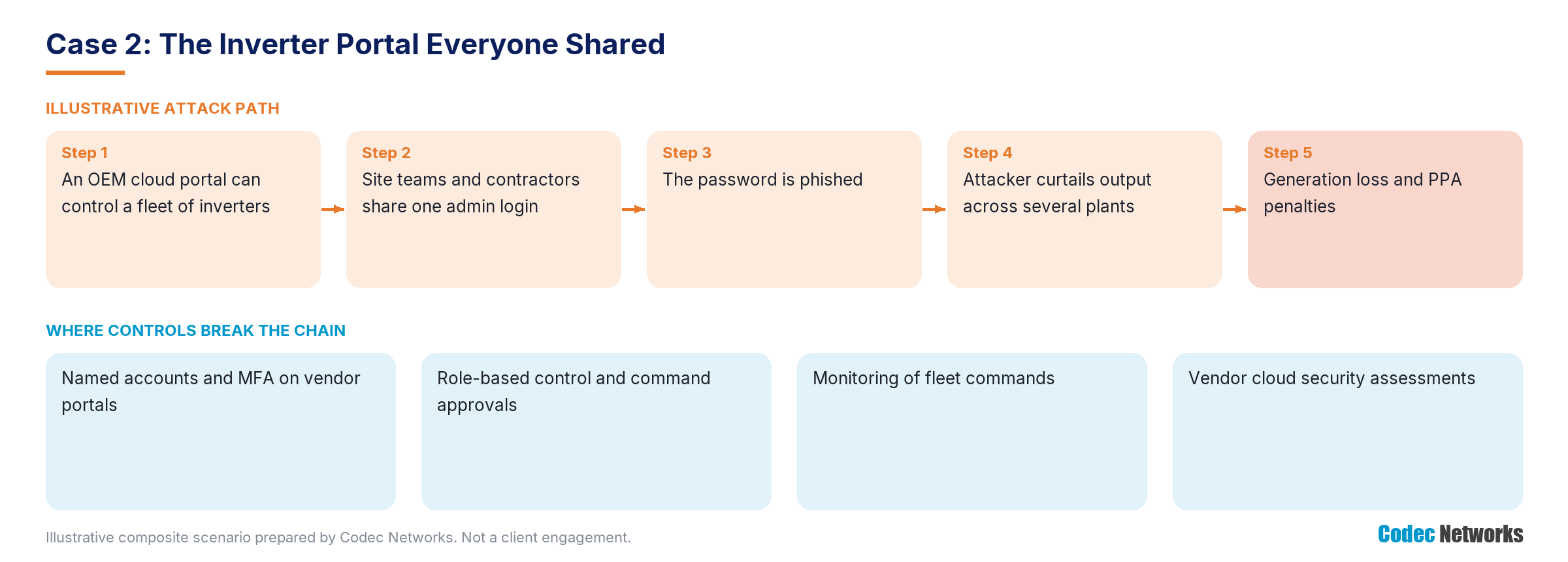
Figure 9: Illustrative attack path for Case Study 2 and the controls that break it.
What went wrong
- A shared admin account without MFA.
- No approval for fleet-wide changes.
- Portal commands were not monitored.
- The OEM cloud was never assessed.
The impact
Solarco B lost revenue, faced PPA penalties and had to report the incident.
The regulatory lens
- CEA Regulations 2026 (as reported): incident reporting within six hours, vendor accountability and OT protection.
- CERT-In Directions: incident reporting.
- PPA terms: availability obligations.
How Codec Networks would help
|
Need |
Codec Networks response |
Bundle |
|
Lock the portal |
Named accounts, MFA and approvals review |
B3 |
|
Assess the OEM |
Vendor cloud security assessment |
B9 |
|
Watch commands |
Monitoring of fleet commands |
B7 |
|
Key lessons Give every user a named account. Enforce MFA on OEM portals. Approve fleet-wide changes. Monitor portal commands. |
Case Study 3: The Rogue Radio in the Inverter
The inverters passed every performance test. Security testing found something else.
|
At a glance |
|
|
Organisation |
A developer (“Devco C”) commissioning a new solar and storage park |
|
Threat |
An undocumented cellular module that could bypass site firewalls |
|
Why it is new |
Equipment inspection is now part of procurement |
|
Codec Networks services |
Equipment inspection, supply-chain assessment, procurement policy (Bundles B1, B9, B5) |
The scenario
Devco C imported inverters for a new park and added security inspection to commissioning for the first time.
Testers found an undocumented cellular module capable of communicating outside the site network.
Devco C quarantined the equipment, engaged the supplier and changed its procurement policy.
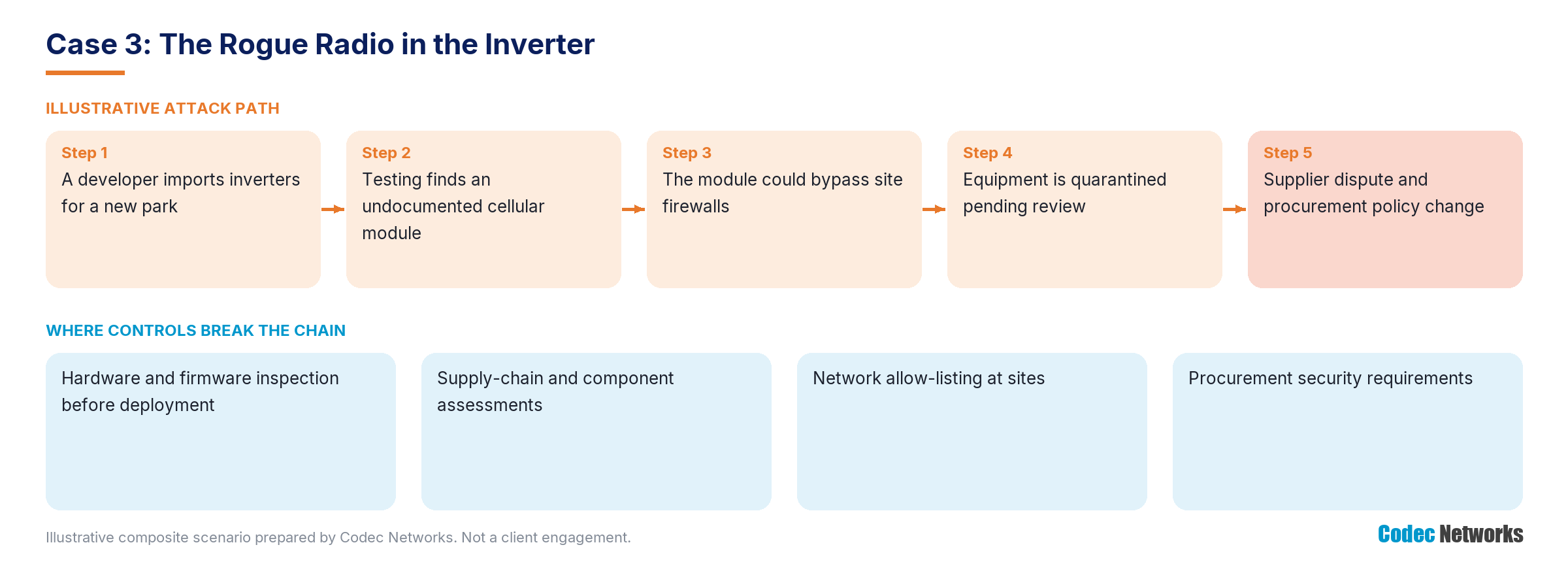
Figure 10: Illustrative attack path for Case Study 3 and the controls that break it.
What went wrong
- No inspection requirement in earlier procurements.
- Contracts lacked security clauses.
- Site networks did not allow-list communications.
- No SBOM or component list from the supplier.
The impact
Devco C delayed commissioning but avoided deploying equipment with an unmanaged communication path.
The regulatory lens
- CEA Regulations 2026 (as reported): vendor accountability and OT protection.
- Ministry of Power guidance: testing of imported power-system equipment.
- Contracts: supplier security obligations.
How Codec Networks would help
|
Need |
Codec Networks response |
Bundle |
|
Inspect equipment |
Hardware and firmware inspection |
B1 |
|
Assess suppliers |
Supply-chain and OEM assessment |
B9 |
|
Fix procurement |
Security requirements in procurement |
B5 |
|
Key lessons Inspect equipment before deployment. Put security in supply contracts. Allow-list site communications. Ask suppliers for component lists. |
Case Study 4: The Battery System on the Open Internet
The login page was public. The password was in the manual.
|
At a glance |
|
|
Organisation |
A storage operator (“Storeco D”) running a grid-scale battery |
|
Threat |
An internet-reachable EMS interface with default credentials |
|
Why it is new |
Storage control affects safety and grid services |
|
Codec Networks services |
Exposure scanning, EMS/BMS testing, monitoring (Bundles B1, B3, B7) |
The scenario
Storeco D's EMS web interface was reachable from the internet for remote support, and default credentials had never been changed.
An attacker found it through scanning, logged in and changed charge and discharge settings.
Battery operation was disrupted, and Storeco D launched a safety review and reported the incident.
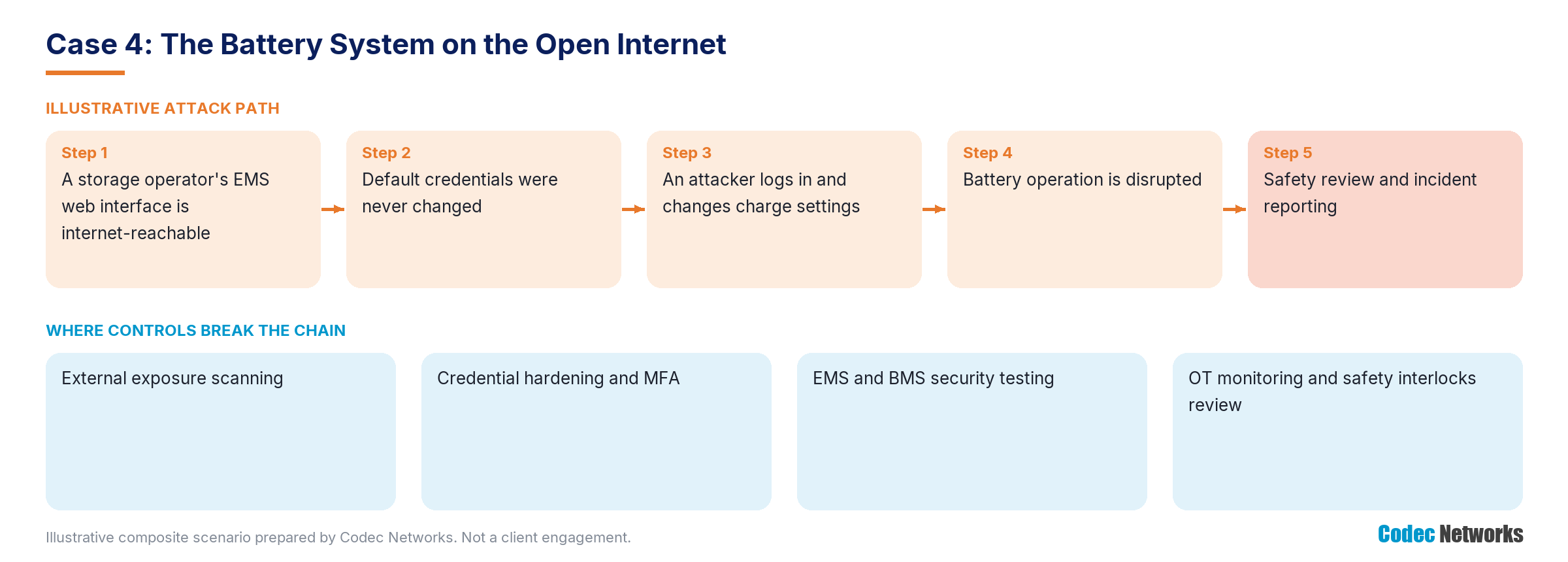
Figure 11: Illustrative attack path for Case Study 4 and the controls that break it.
What went wrong
- EMS was exposed to the internet.
- Default credentials remained.
- No monitoring of EMS changes.
- Safety interlocks had not been reviewed.
The impact
Storeco D lost grid service revenue, faced a safety investigation and rebuilt remote access.
The regulatory lens
- CEA Regulations 2026 (as reported): OT separation from the internet and six-hour incident reporting for storage of 50 MW and above.
- CERT-In Directions: incident reporting.
- Grid service contracts: availability obligations.
How Codec Networks would help
|
Need |
Codec Networks response |
Bundle |
|
Find exposure |
External exposure scanning and EMS/BMS testing |
B1 |
|
Fix access |
Remote access and credential hardening |
B3 |
|
Watch changes |
OT monitoring of EMS settings |
B7 |
|
Key lessons Never expose EMS to the internet. Change default credentials. Monitor control changes. Review safety interlocks. |
Case Study 5: The Smart Meter Update That Went Wrong
The update reached thousands of meters overnight.
|
At a glance |
|
|
Organisation |
An AMI service provider (“Meterco E”) serving a DISCOM |
|
Threat |
An attacker altering unsigned meter firmware on a compromised update system |
|
Why it is new |
Meter updates can affect supply and billing at scale |
|
Codec Networks services |
Update security review, head-end testing, incident response (Bundles B2, B1, B8) |
The scenario
Meterco E's update system pushed firmware without cryptographic signing.
An attacker who compromised the update server altered the firmware before a scheduled rollout.
Thousands of meters malfunctioned, disrupting supply for some consumers and corrupting billing data.
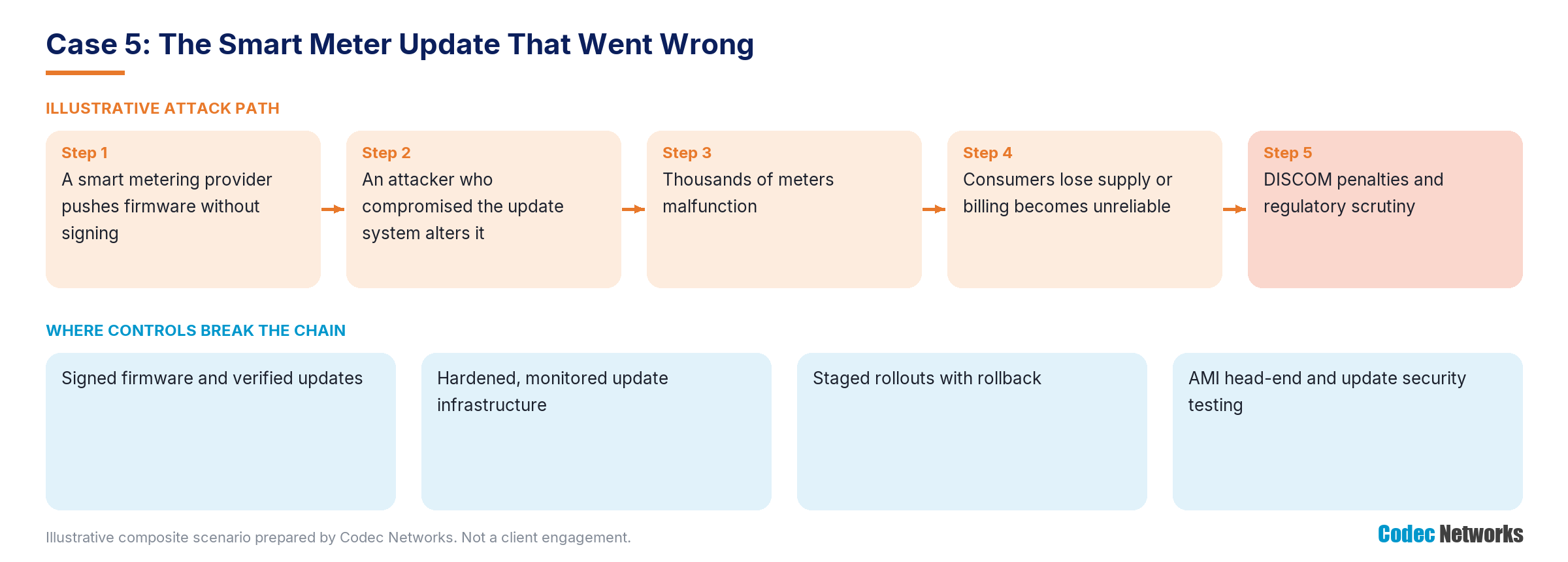
Figure 12: Illustrative attack path for Case Study 5 and the controls that break it.
What went wrong
- Firmware was not signed or verified.
- The update server was poorly protected.
- Rollout was not staged.
- No rollback plan existed.
The impact
Meterco E faced DISCOM penalties, consumer complaints and regulatory scrutiny.
The regulatory lens
- DISCOM contracts: security, availability and reporting obligations for AMISPs.
- CERT-In Directions: incidents reported within six hours.
- DPDP Act and Rules: consumer data safeguards once provisions commence.
How Codec Networks would help
|
Need |
Codec Networks response |
Bundle |
|
Secure updates |
Signing and update process review |
B2 |
|
Test the AMI |
Head-end and update server testing |
B1 |
|
Respond |
Incident response and recovery |
B8 |
|
Key lessons Sign and verify meter firmware. Harden update servers. Stage rollouts. Keep rollback ready. |
Talk to Codec Networks
|
Contact Codec Networks Pvt. Ltd. New Delhi: 507, 5th Floor, New Delhi House, Barakhamba Road, Connaught Place, New Delhi – 110001 Gurugram: 707, 7th Floor, Silverton Tower, Golf Course Extension Road, Sector 50, Gurugram – 122018, Haryana Landline: 011 430 496 96 | 011 437 522 99 Mobile: +91 99716 76124 | +91 88007 88220 | +91 88003 31124 Email: mktg@codecnetworks.com Web: www.codecnetworks.com |