

Resources Categories

INDUSTRY FACT FILE · TELECOMMUNICATIONS & CONNECTIVITY
Five New Case Studies in Telecom Security
Original 2026 case studies, each written as a blog post, showing how current threats play out for telecom providers and how Codec Networks services break the attack chain.
|
In this document 1. About these case studies 2. Case Study 1: The SIM Swap That Emptied a Business Account 3. Case Study 2: The Router Nobody Patched 4. Case Study 3: The Core Function With an Open API 5. Case Study 4: The Vendor Support Tunnel 6. Case Study 5: The Billing System Held to Ransom |
About these case studies
These five case studies were written for this document set and have not been published elsewhere. Each is a composite scenario combining attack techniques and control failures widely observed in telecommunications with the obligations that apply in India as of October 2026—in particular the Telecommunications Act, 2023, the Telecom Cyber Security Rules, 2024, CERT-In's Directions and the DPDP framework.
|
Important disclosure The organisations described are fictional and the scenarios are illustrative. They are not accounts of real incidents, and they are not Codec Networks client engagements or claims of achieved outcomes. Their value lies in showing how connected weaknesses form an attack chain, which controls break it, and which services test those controls. |
|
Case study |
Provider type |
Core threat |
Regulatory lens |
Primary bundles |
|
1. The SIM Swap That Emptied a Business Account |
Mobile network operator |
Dealer-assisted SIM-swap fraud |
Telecom Cyber Security Rules; CERT-In; DPDP |
B3, B7, B8 |
|
2. The Router Nobody Patched |
Internet service provider |
Nation-state persistence in edge routers |
Telecom Cyber Security Rules; CERT-In |
B1, B7, B8 |
|
3. The Core Function With an Open API |
5G mobile operator |
Unauthenticated network function API |
Telecom Cyber Security Rules; DPDP |
B3, B1, B7 |
|
4. The Vendor Support Tunnel |
Mobile operator with managed services |
Abuse of vendor remote access |
Telecom Cyber Security Rules; trusted sources |
B9, B3, B7 |
|
5. The Billing System Held to Ransom |
ISP and broadband provider |
Ransomware on OSS/BSS |
Telecom Cyber Security Rules; CERT-In; DPDP |
B7, B8, B10 |
Case Study 1: The SIM Swap That Emptied a Business Account
The new SIM was issued in minutes. The bank account was emptied in hours.
|
At a glance |
|
|
Organisation |
A mobile operator (“Operator A”) with a large retail dealer network |
|
Threat |
A bribed dealer issuing a replacement SIM to a fraudster |
|
Why it is new |
SIMs are the second factor for most banking |
|
Codec Networks services |
SIM-change controls review, fraud monitoring, investigation (Bundles B3, B7, B8) |
The scenario
Fraudsters gathered a small business owner's personal details through phishing.
A dealer, paid by the fraud ring, accepted forged documents and issued a replacement SIM late in the evening.
Bank OTPs went to the new SIM and the business account was drained overnight. The victim complained to the operator, the bank and the police.
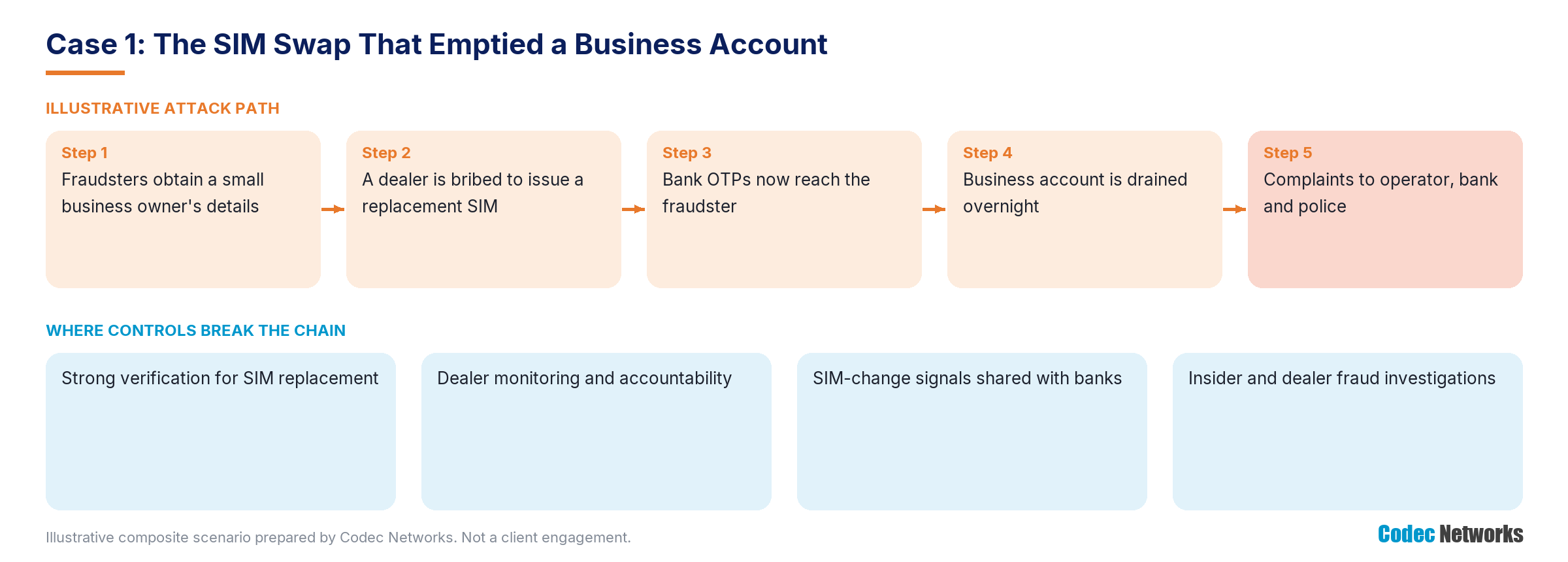
Figure 8: Illustrative attack path for Case Study 1 and the controls that break it.
What went wrong
- Verification for SIM replacement was weak.
- Dealer actions were not monitored for anomalies.
- SIM-change signals were not shared with banks.
- Dealer fraud had no investigation process.
The impact
Operator A faced complaints, scrutiny of its dealer controls and reputational damage.
The regulatory lens
- Telecom Cyber Security Rules: security incidents reported within six hours where they meet the rules' definition.
- DoT KYC and licence conditions: verification requirements for SIM issuance.
- DPDP Act and Rules: subscriber data safeguards once provisions commence.
How Codec Networks would help
|
Need |
Codec Networks response |
Bundle |
|
Harden SIM changes |
SIM-change process and dealer access review |
B3 |
|
Spot fraud |
Dealer anomaly and SIM-change monitoring |
B7 |
|
Investigate |
Dealer and insider fraud investigation |
B8 |
|
Key lessons Verify identity strongly for SIM changes. Monitor dealer behaviour. Share SIM-change signals with banks. Investigate dealer fraud quickly. |
Case Study 2: The Router Nobody Patched
Nothing broke. That was the problem.
|
At a glance |
|
|
Organisation |
A national ISP (“ISP B”) with enterprise and government customers |
|
Threat |
A known router vulnerability exploited for long-term espionage access |
|
Why it is new |
Edge devices are prime targets for persistent access |
|
Codec Networks services |
Device hardening, threat hunting, forensics (Bundles B1, B7, B8) |
The scenario
ISP B's edge routers ran firmware with a known vulnerability, patched only on some devices.
A state-backed group exploited it, added hidden configuration and collected traffic metadata and configurations for months.
A threat intelligence tip-off led to discovery. ISP B had to report, rebuild devices and assess what was taken.
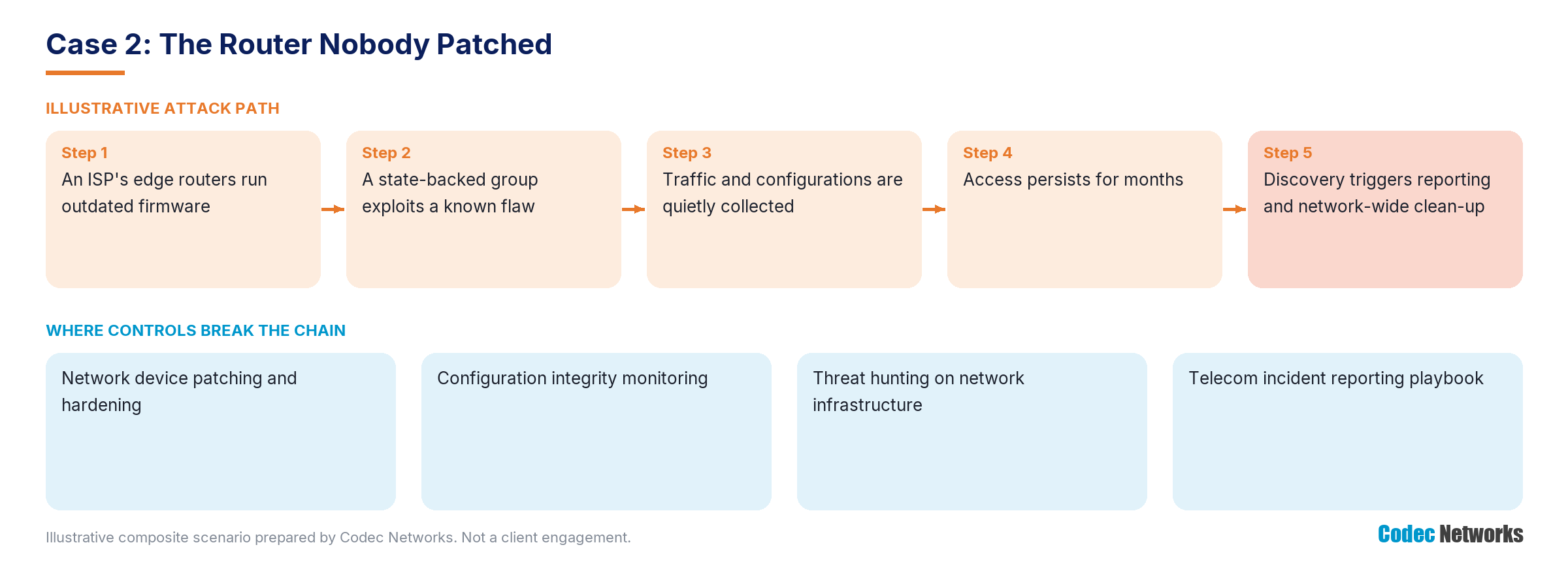
Figure 9: Illustrative attack path for Case Study 2 and the controls that break it.
What went wrong
- Patching of network devices was inconsistent.
- Configuration changes were not monitored.
- No threat hunting on network infrastructure.
- Management access was not restricted.
The impact
ISP B faced reporting obligations, costly clean-up and difficult conversations with government customers.
The regulatory lens
- Telecom Cyber Security Rules: reporting within six hours of becoming aware, with details within 24 hours.
- CERT-In Directions: incidents reported within six hours.
- NCIIPC: additional coordination where systems are notified as critical.
How Codec Networks would help
|
Need |
Codec Networks response |
Bundle |
|
Harden devices |
Router and firmware security review |
B1 |
|
Hunt |
Threat hunting on network infrastructure |
B7 |
|
Investigate |
Network intrusion forensics |
B8 |
|
Key lessons Patch network devices consistently. Monitor configuration integrity. Hunt for quiet persistence. Restrict management access. |
Case Study 3: The Core Function With an Open API
The core was cloud-native. So were its mistakes.
|
At a glance |
|
|
Organisation |
A mobile operator (“Operator C”) launching a 5G standalone core |
|
Threat |
A network function API reachable without authentication from a management segment |
|
Why it is new |
5G cores bring cloud and API risks into the network |
|
Codec Networks services |
Cloud-native core assessment, API testing, monitoring (Bundles B3, B1, B7) |
The scenario
During a rushed launch, a network function's API was exposed on a management network without mutual TLS or authorisation.
An attacker who had compromised a jump host discovered the API and queried subscriber and session data.
Data was exfiltrated slowly over weeks before unusual API usage was noticed.
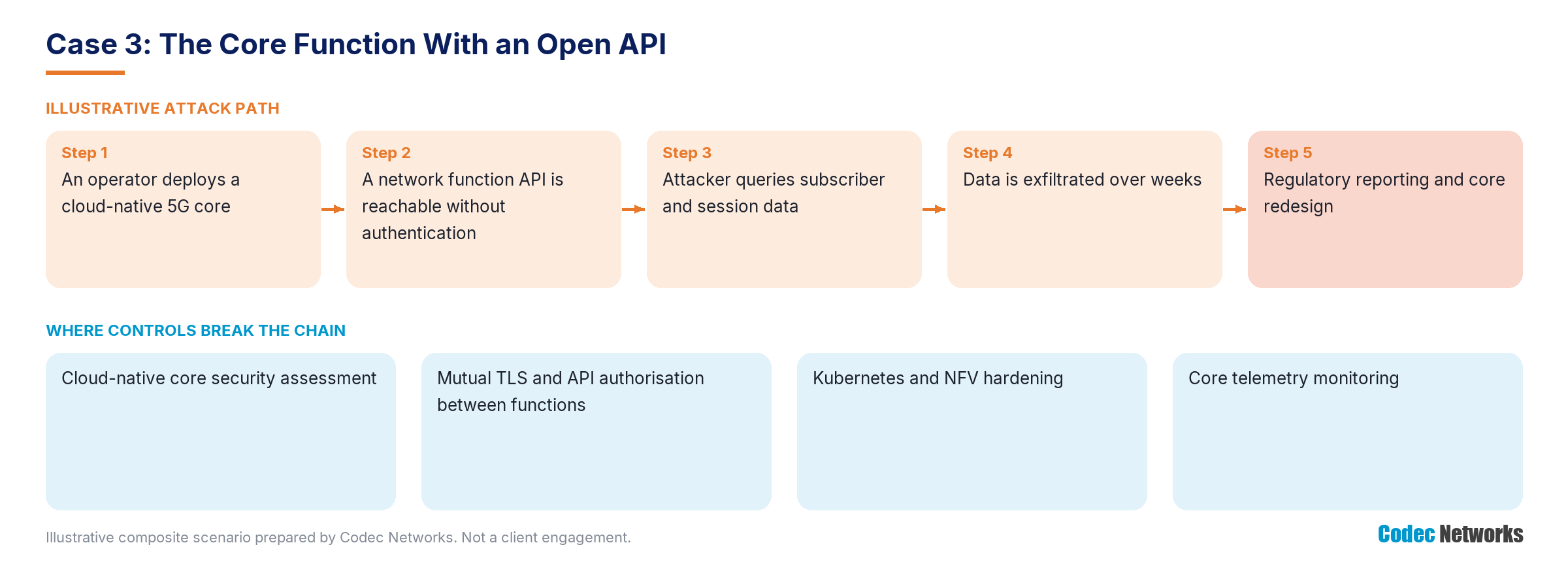
Figure 10: Illustrative attack path for Case Study 3 and the controls that break it.
What went wrong
- No mutual authentication between network functions.
- Management segments were flat.
- Kubernetes and API controls were not reviewed before launch.
- Core telemetry was not monitored.
The impact
Operator C faced reporting obligations, potential DPDP exposure and a redesign of its core security architecture.
The regulatory lens
- Telecom Cyber Security Rules: security incidents reported within six hours.
- DPDP Act and Rules: subscriber data safeguards and breach intimation once provisions commence.
- CERT-In Directions: incidents reported within six hours.
How Codec Networks would help
|
Need |
Codec Networks response |
Bundle |
|
Secure the core |
Cloud-native core and Kubernetes review |
B3 |
|
Test the APIs |
Network function API testing |
B1 |
|
Watch the core |
Core telemetry monitoring |
B7 |
|
Key lessons Mutually authenticate network functions. Segment management networks. Review the core before launch. Monitor core APIs. |
Case Study 4: The Vendor Support Tunnel
The tunnel was always open, just in case.
|
At a glance |
|
|
Organisation |
An operator (“Operator D”) whose network vendor provides remote support |
|
Threat |
Phished vendor credentials used through a standing support tunnel |
|
Why it is new |
Standing vendor access is a back door into network management |
|
Codec Networks services |
Vendor assessment, access brokering, change monitoring (Bundles B9, B3, B7) |
The scenario
Operator D's vendor kept a permanent VPN tunnel into network management systems for faster support.
Attackers phished a vendor engineer and used the tunnel to log into element managers.
They altered configurations to disrupt service across a region, causing a major outage.
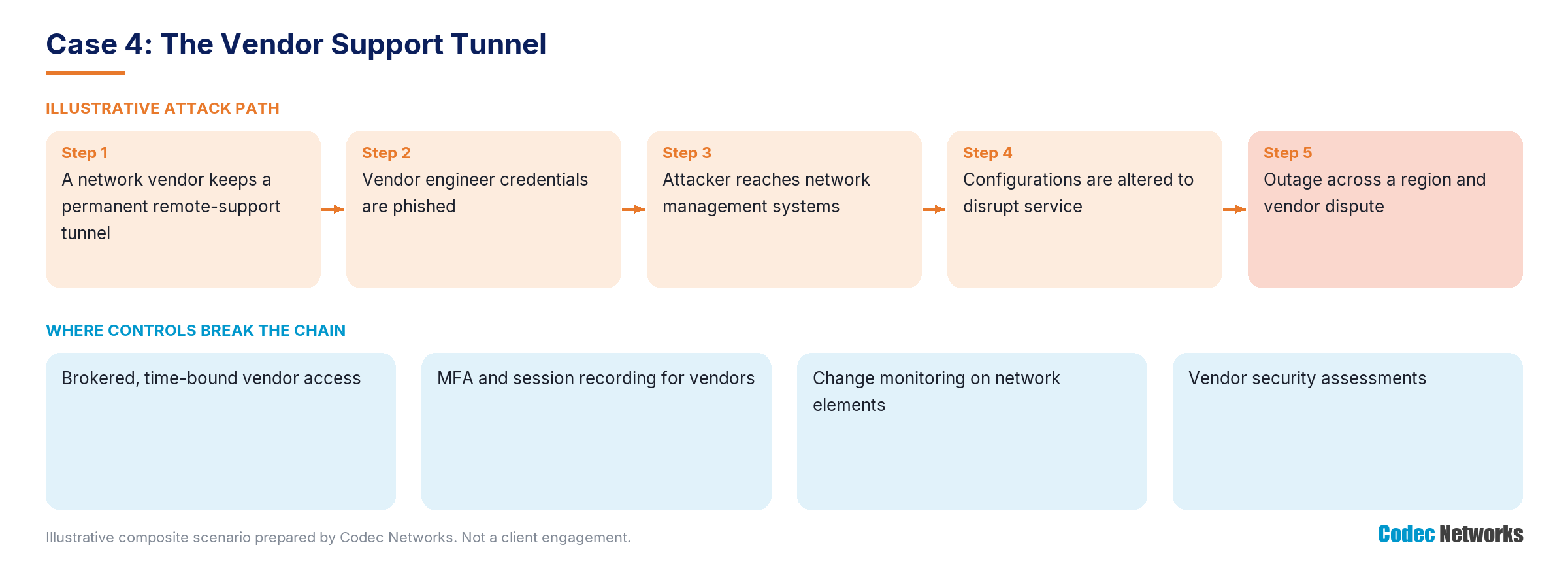
Figure 11: Illustrative attack path for Case Study 4 and the controls that break it.
What went wrong
- Vendor access was standing, not on request.
- No MFA or session recording.
- Configuration changes were not monitored.
- Vendor security was never assessed.
The impact
Operator D suffered a regional outage, regulatory reporting and a dispute with its vendor.
The regulatory lens
- Telecom Cyber Security Rules: incident reporting within six hours and details within 24 hours.
- Trusted-source directive: trusted products and sources in the network.
- Licence conditions: network security and availability obligations.
How Codec Networks would help
|
Need |
Codec Networks response |
Bundle |
|
Assess the vendor |
Vendor security assessment |
B9 |
|
Broker access |
Time-bound, recorded vendor access review |
B3 |
|
Watch changes |
Network change monitoring |
B7 |
|
Key lessons Make vendor access on-request only. Require MFA and recording. Monitor configuration changes. Assess vendor security. |
Case Study 5: The Billing System Held to Ransom
The network stayed up. Nobody could recharge, pay or connect new customers.
|
At a glance |
|
|
Organisation |
A broadband provider (“ISP E”) with a large consumer base |
|
Threat |
Ransomware spreading from IT into billing and provisioning |
|
Why it is new |
OSS/BSS outages stop revenue and service changes |
|
Codec Networks services |
SOC monitoring, ransomware response, exercises (Bundles B7, B8, B10) |
The scenario
A phishing email compromised an IT administrator's account at ISP E.
The attacker moved into OSS/BSS, stole subscriber data and encrypted billing and provisioning systems.
Recharges, billing and new connections stopped for days, and ISP E had to report the incident.
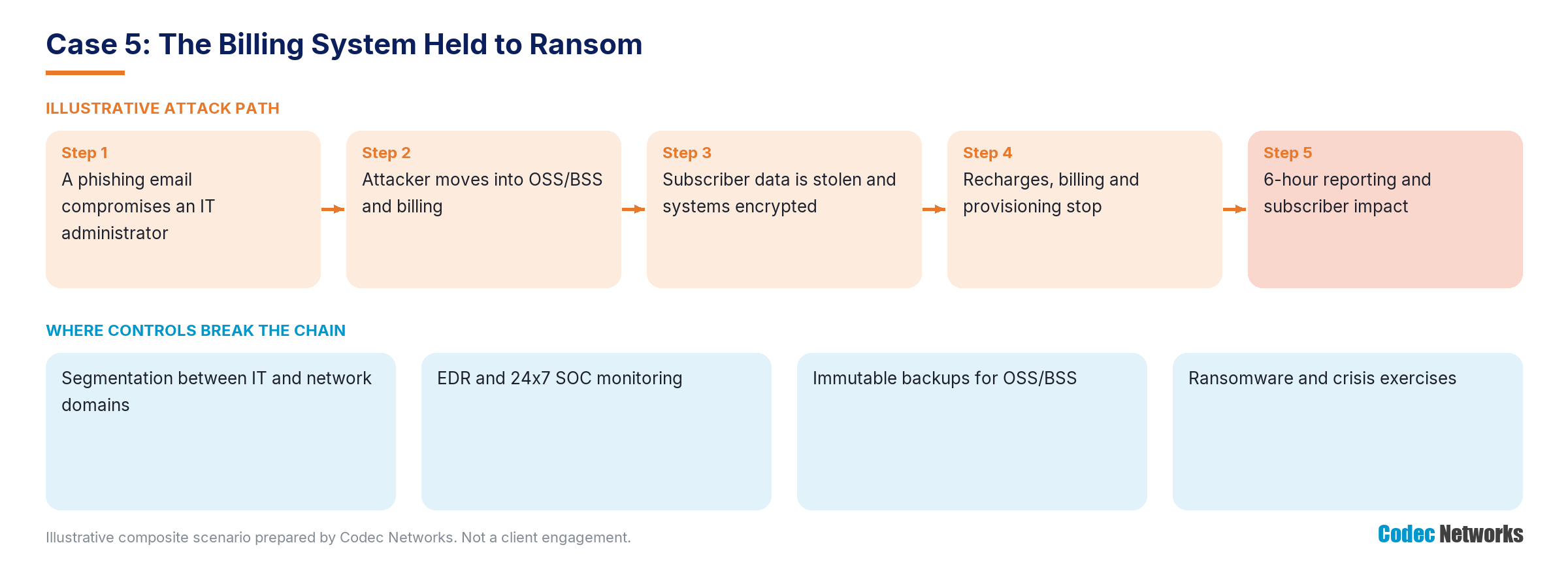
Figure 12: Illustrative attack path for Case Study 5 and the controls that break it.
What went wrong
- IT and OSS/BSS were not segmented.
- EDR alerts were not monitored 24x7.
- Backups were reachable by the attacker.
- Ransomware recovery was never rehearsed.
The impact
ISP E lost revenue, faced subscriber complaints, regulatory reporting and potential DPDP exposure.
The regulatory lens
- Telecom Cyber Security Rules: incident reporting within six hours.
- CERT-In Directions: incidents reported within six hours.
- DPDP Act and Rules: subscriber data breach intimation once provisions commence.
How Codec Networks would help
|
Need |
Codec Networks response |
Bundle |
|
Detect early |
24x7 SOC with EDR |
B7 |
|
Recover |
Ransomware response and restoration |
B8 |
|
Rehearse |
Ransomware and crisis exercises |
B10 |
|
Key lessons Segment IT from OSS/BSS. Monitor endpoints around the clock. Protect backups. Rehearse ransomware recovery. |
Talk to Codec Networks
|
Contact Codec Networks Pvt. Ltd. New Delhi: 507, 5th Floor, New Delhi House, Barakhamba Road, Connaught Place, New Delhi – 110001 Gurugram: 707, 7th Floor, Silverton Tower, Golf Course Extension Road, Sector 50, Gurugram – 122018, Haryana Landline: 011 430 496 96 | 011 437 522 99 Mobile: +91 99716 76124 | +91 88007 88220 | +91 88003 31124 Email: mktg@codecnetworks.com Web: www.codecnetworks.com |